30 types of wood for building and furniture, compared
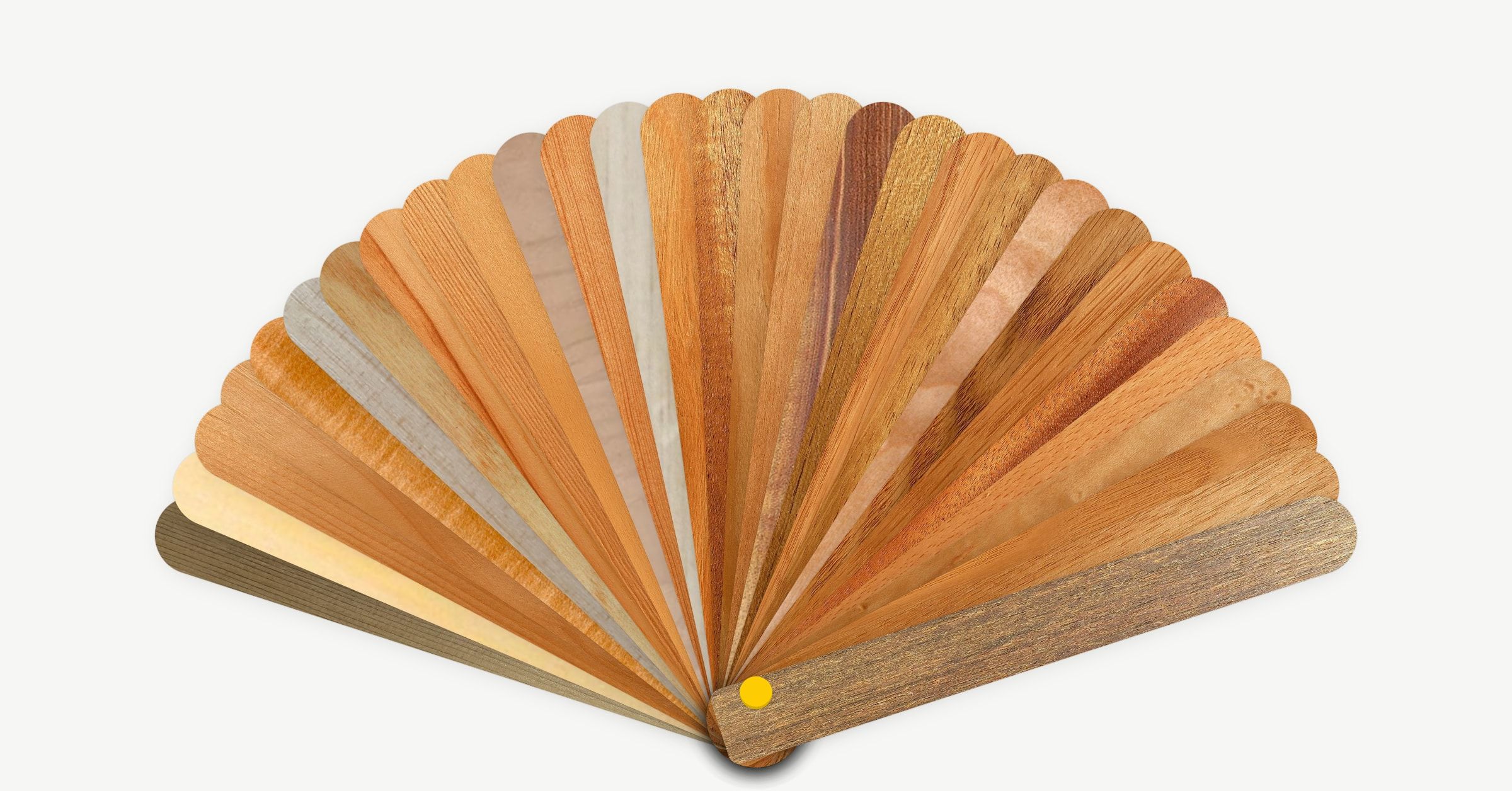
Houses are mostly framed in spruce, pine and fir, decks are treated pine, cedar, larch or something tropical, and furniture is oak, beech, maple, cherry or walnut. Here are the 30 woods you’ll meet most, softwoods first, each with its hardness, its weight, how long it lasts outdoors and what it costs.
Tap a filter to see only the woods for one job.
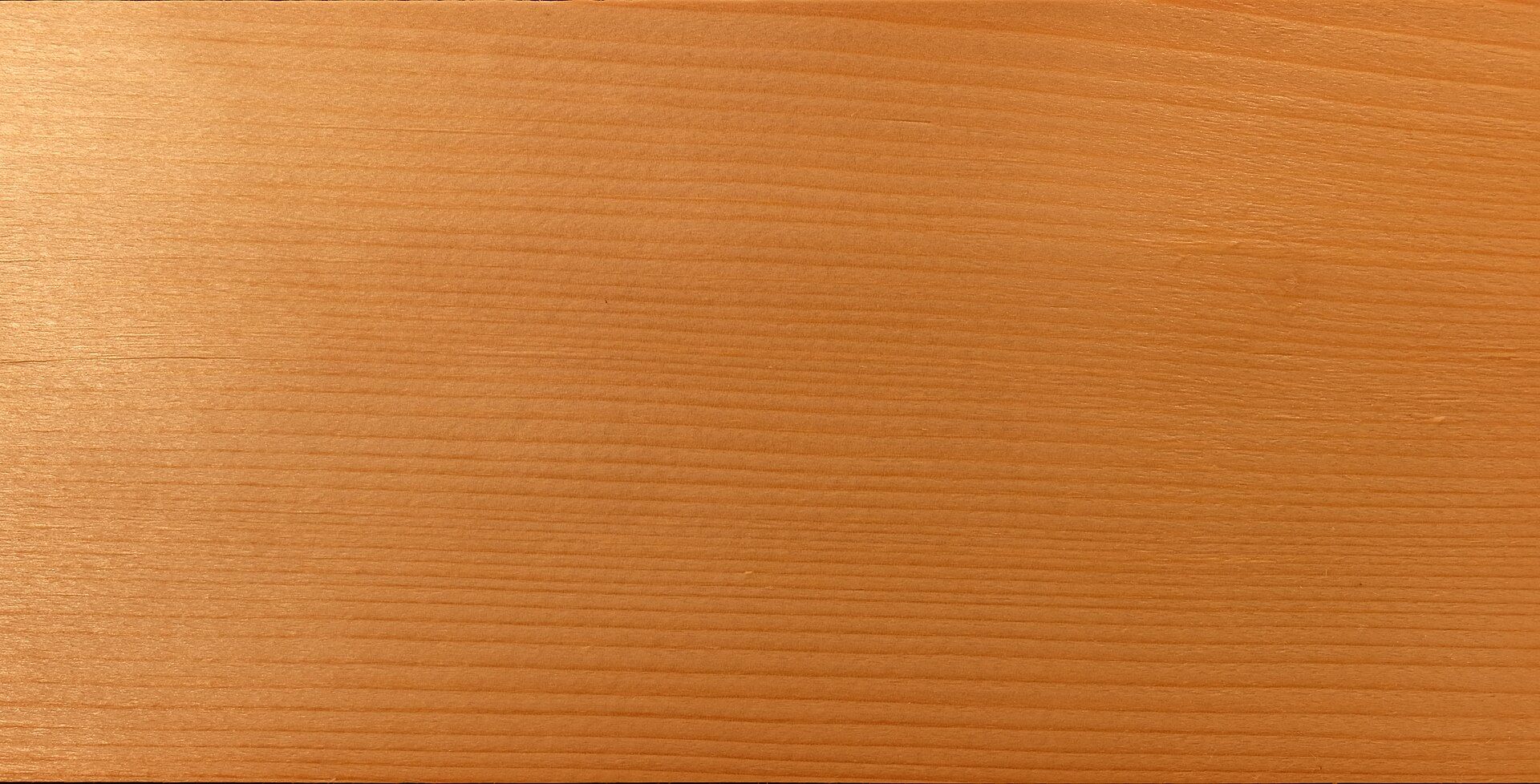
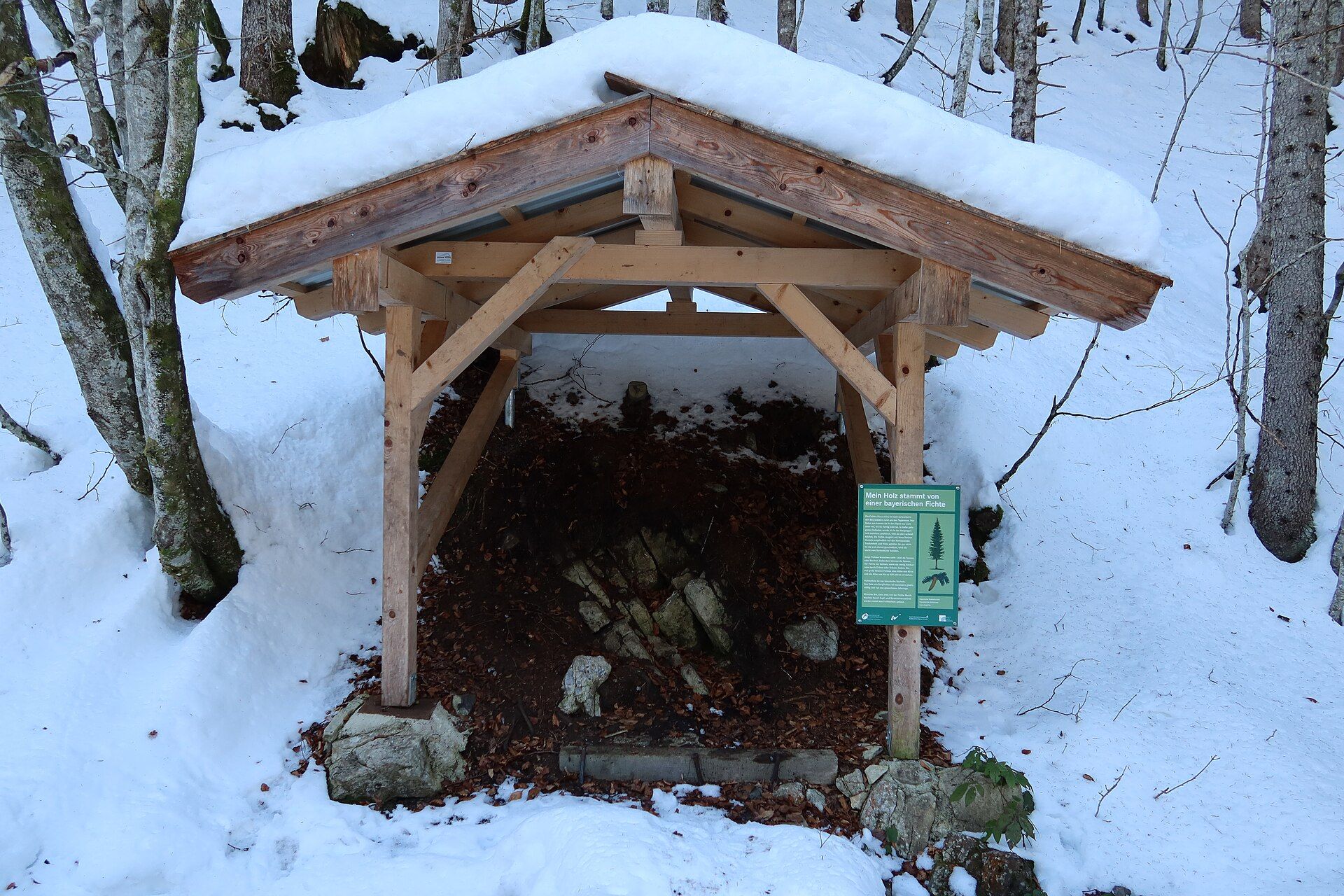
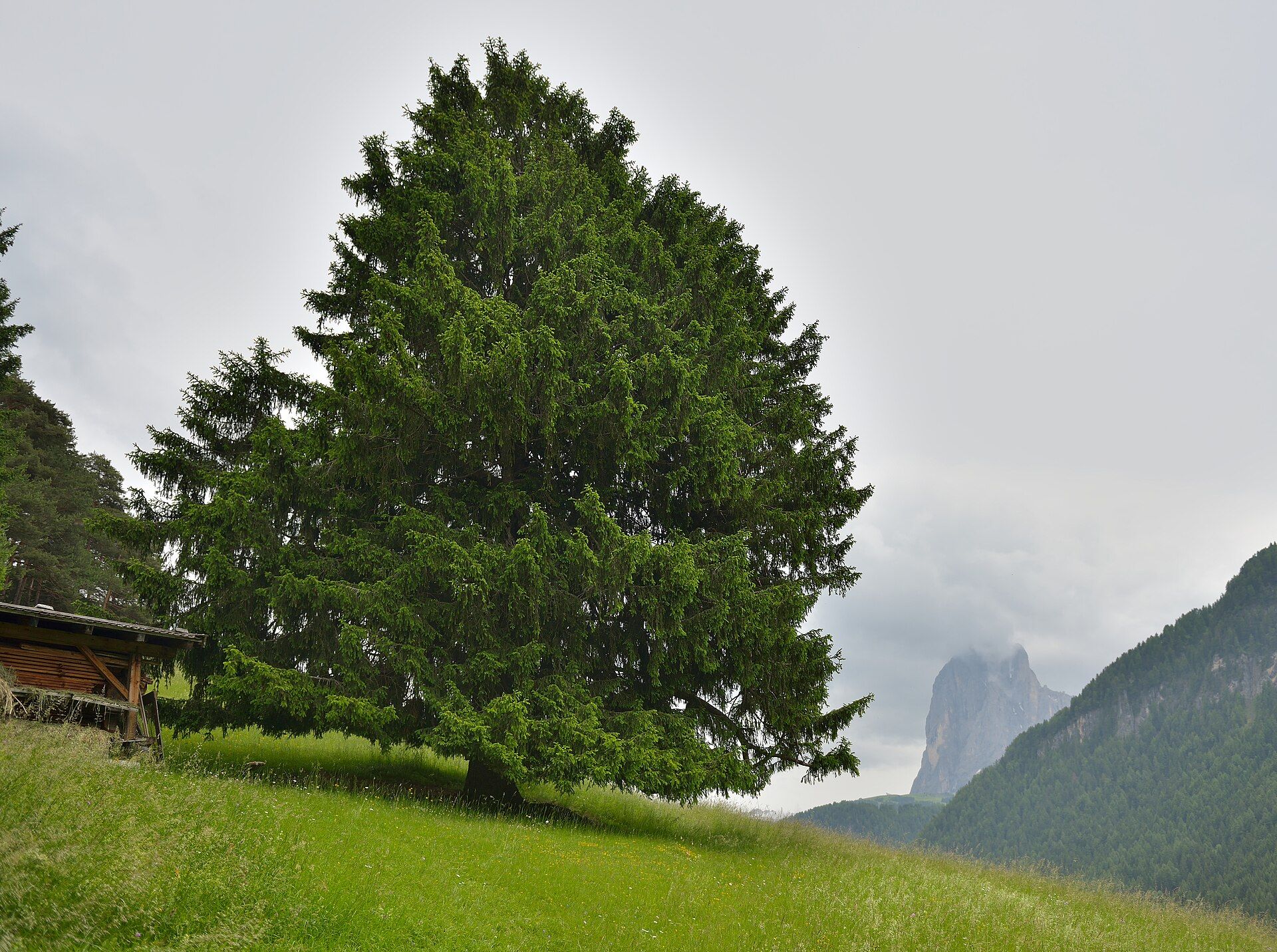
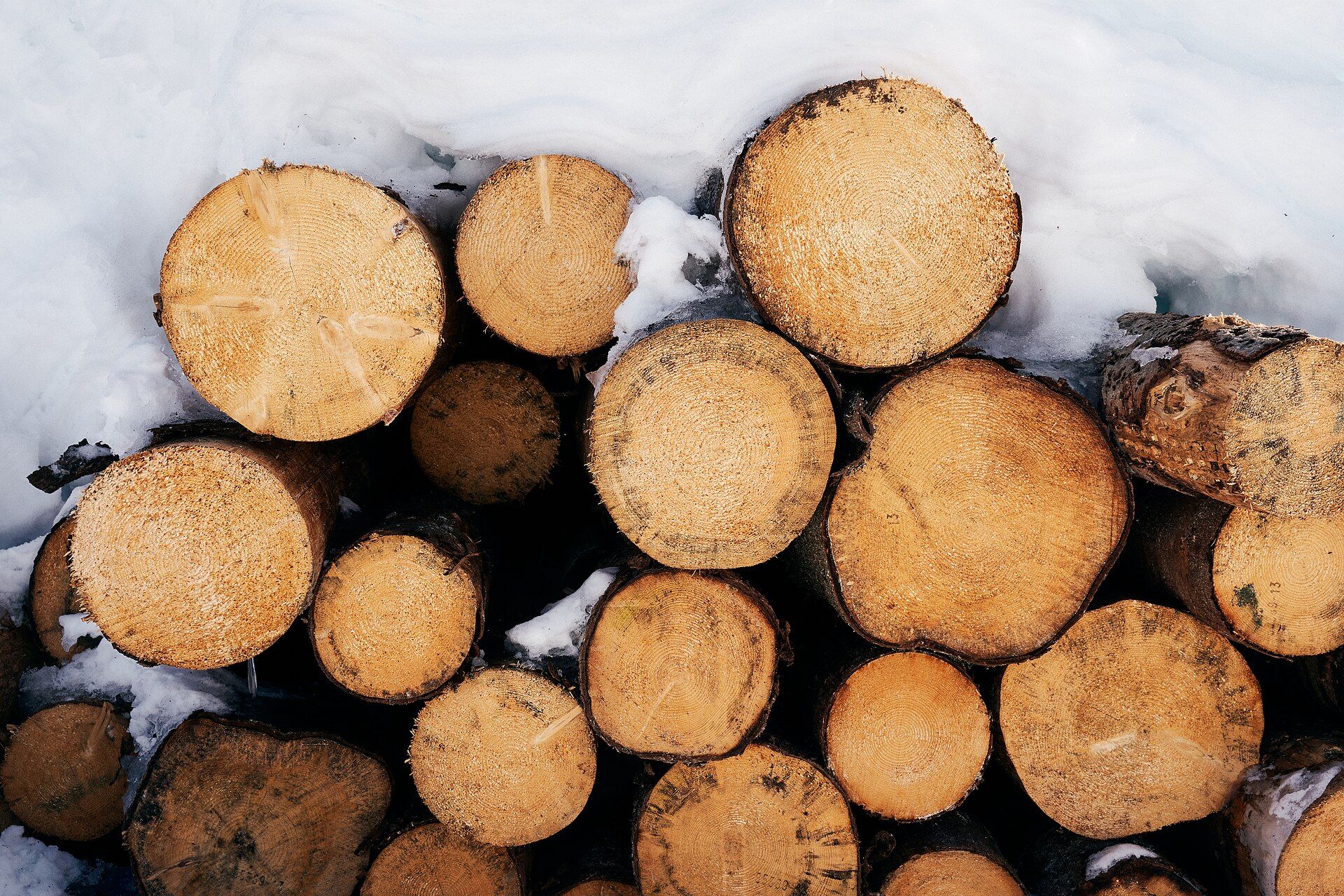
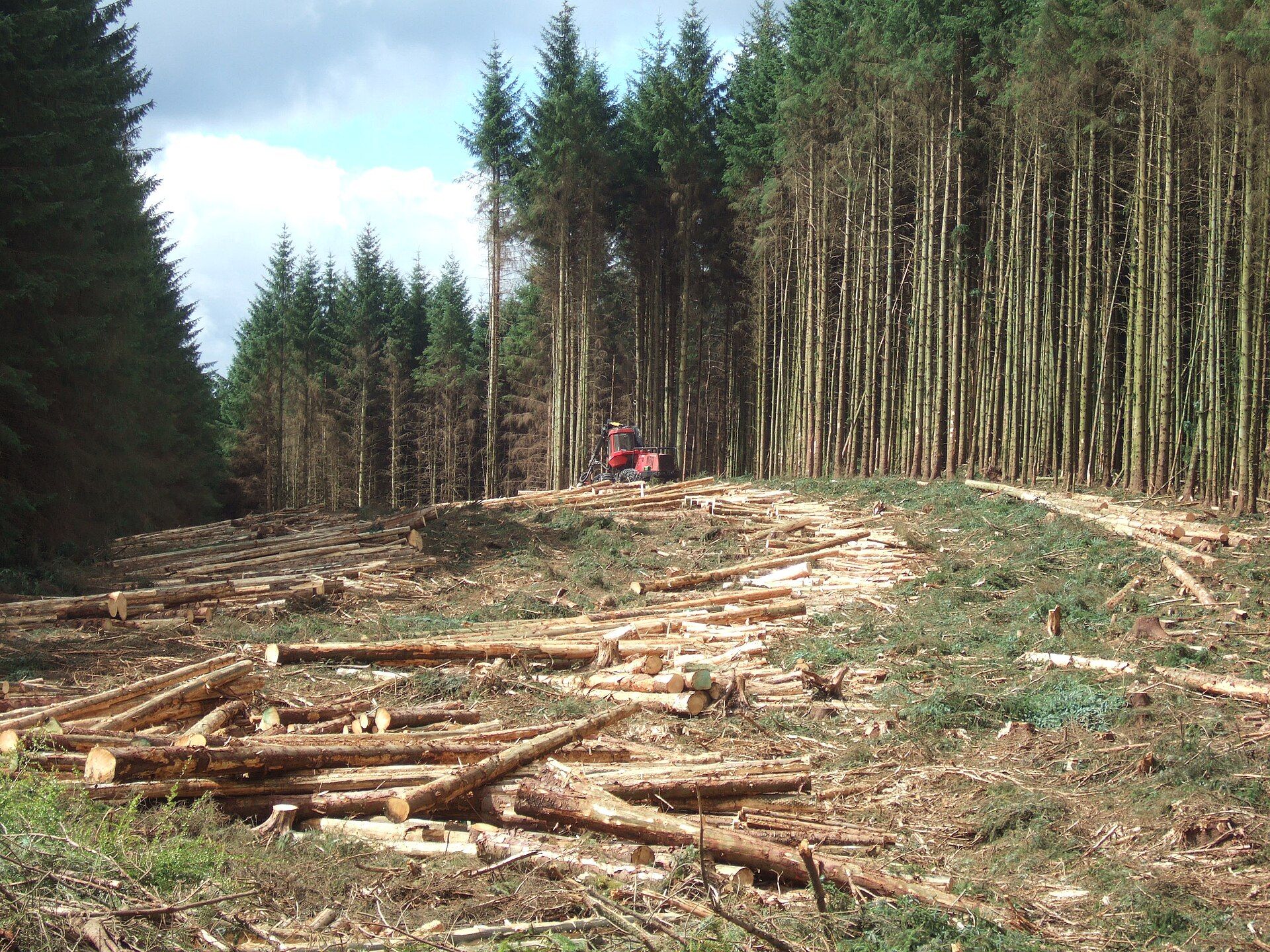
Norway spruceSoftwood
Picea abies
- 380 lbf hard
- 405 kg/m³
- Outdoors: poor
- $
Europe's everyday construction timber, and the top of many guitars.
- Cheap in construction grades
- Easy to work if there are no knots
- Stains blotchy without a sealer
- Slightly durable outdoors
Data · Photo: Philipp Zinger, CC BY-SA 3.0
Data · Photo: Strubbl, CC BY-SA 4.0
Data · Photo: Wolfgang Moroder, CC BY-SA 3.0
Data · Photo: Øyvind Holmstad, CC BY-SA 4.0
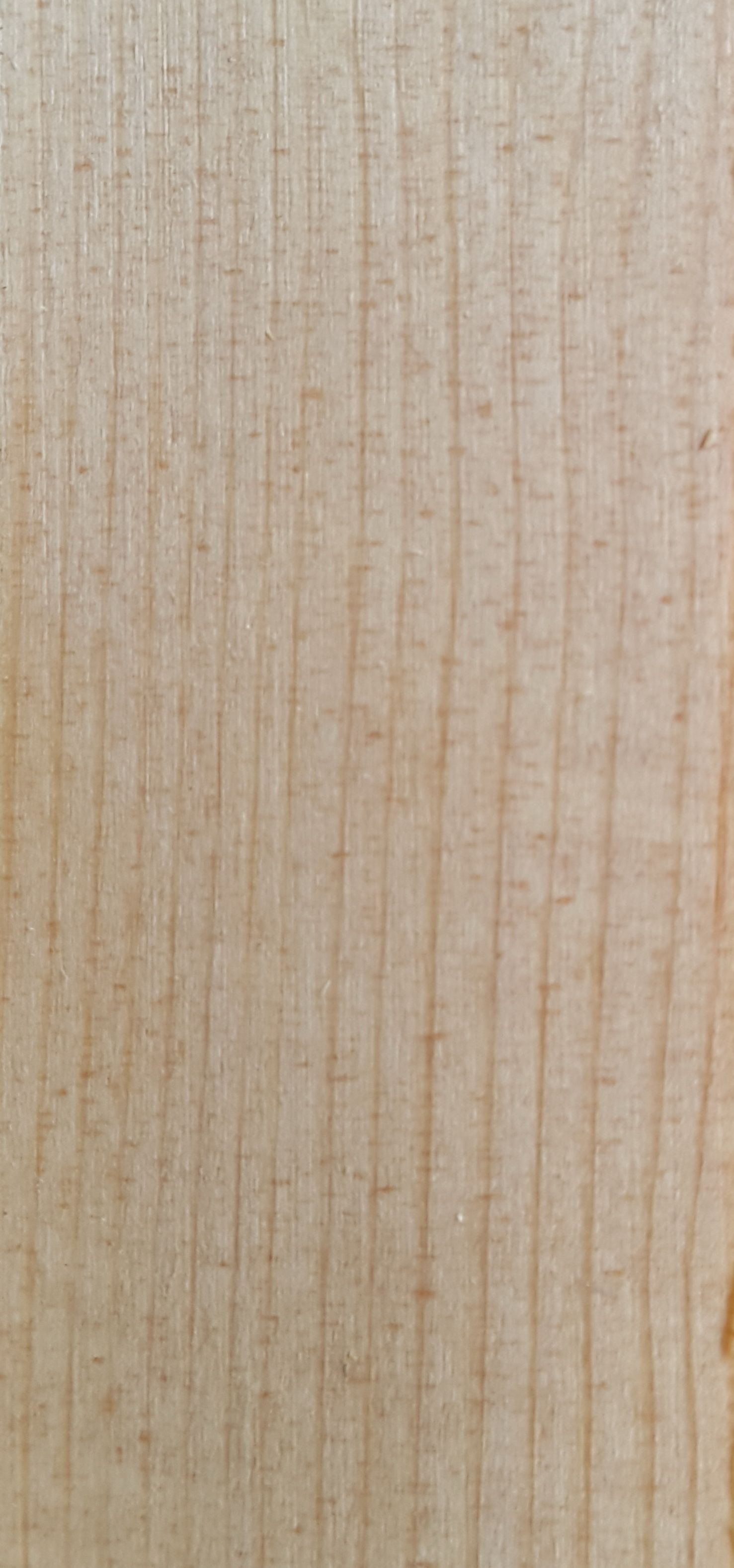
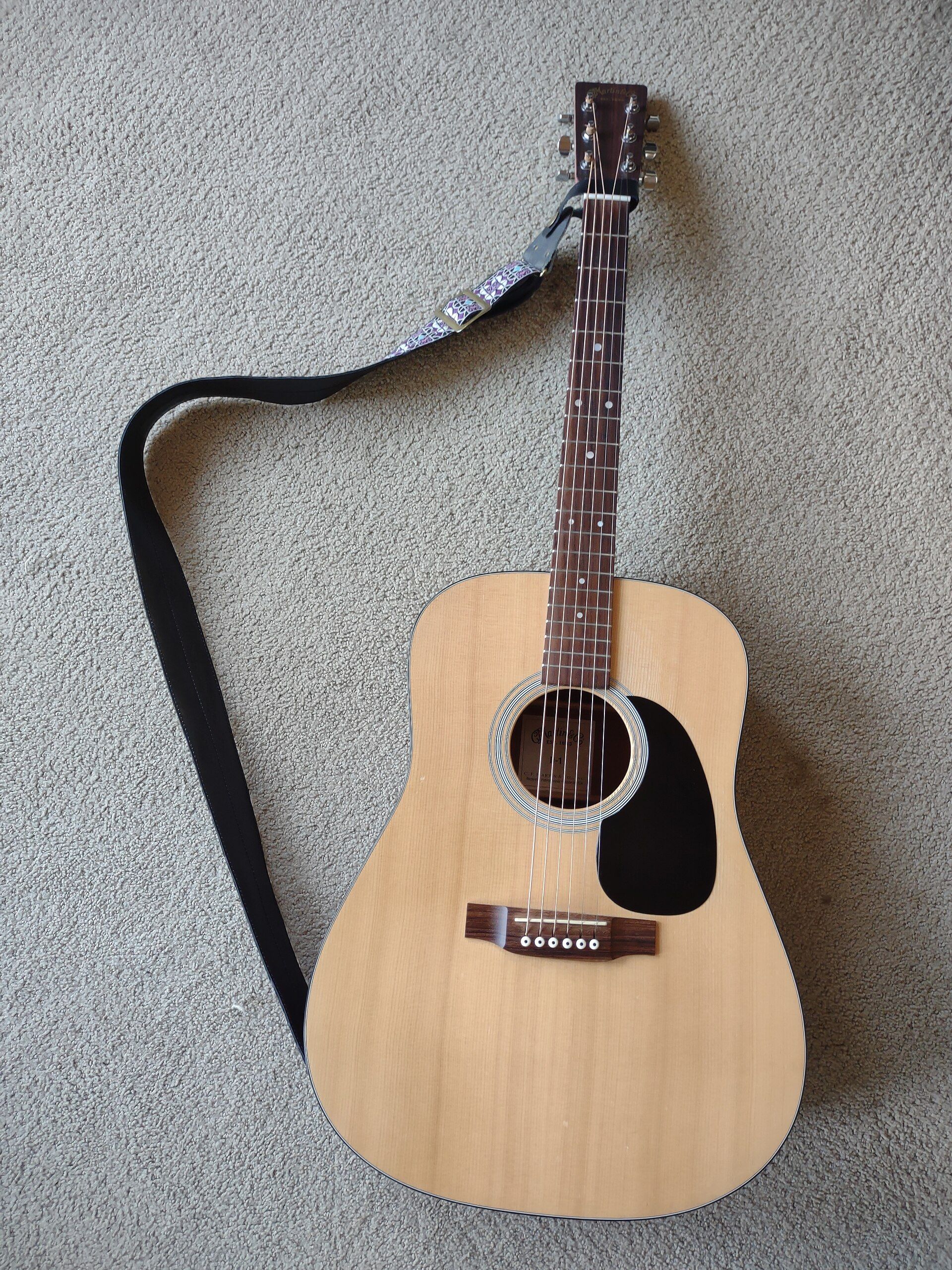
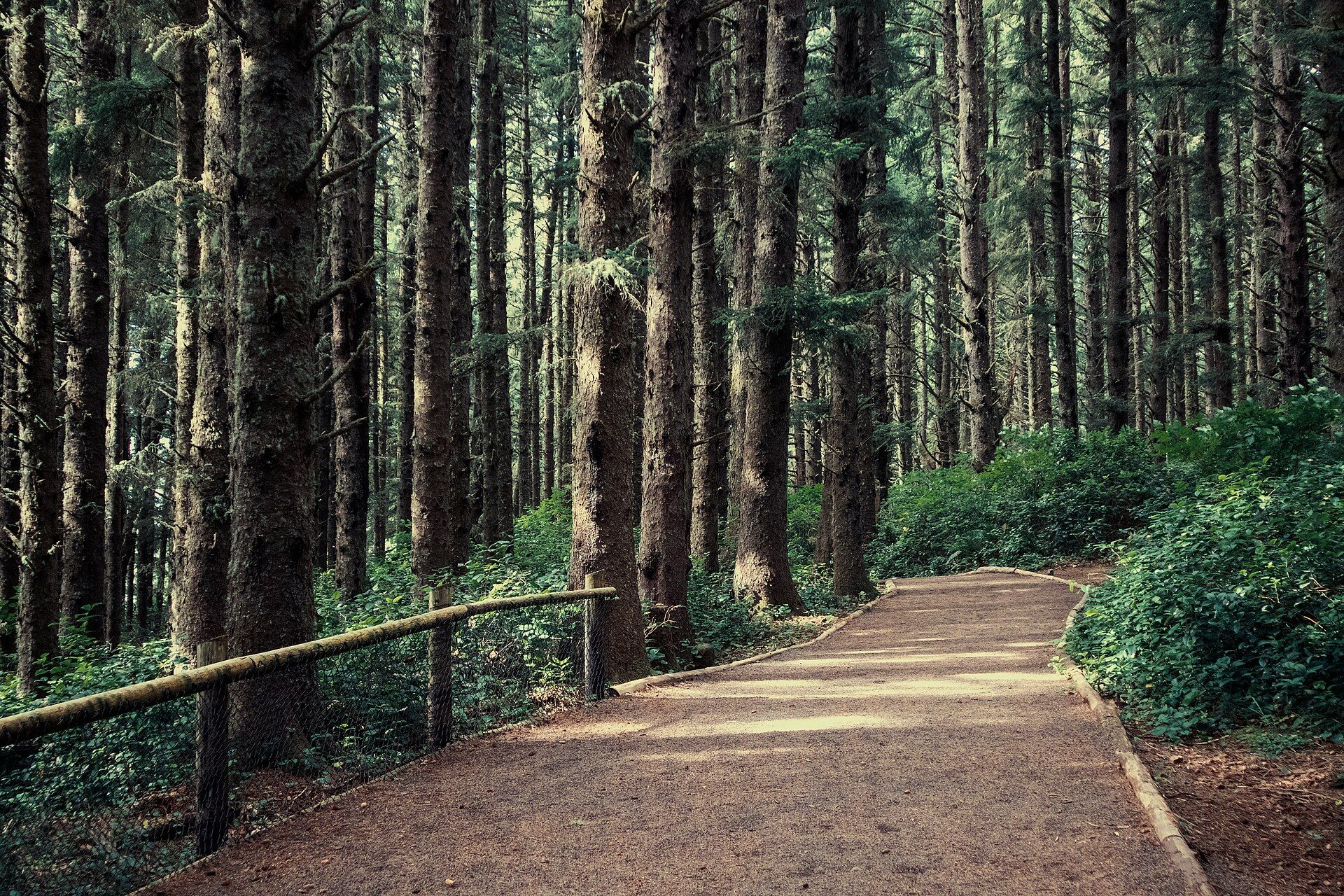
Sitka spruceSoftwood
Picea sitchensis
- 510 lbf hard
- 425 kg/m³
- Outdoors: poor
- $
Light, stiff and straight. Masts, aircraft parts and soundboards.
- Outstanding stiffness for its weight
- Big, straight-grained pieces
- Clear quartersawn stock is expensive
- Slightly durable outdoors
Data · Photo: Paul venter, CC BY-SA 3.0
Data · Photo: Ragesoss, CC BY-SA 4.0
Data · Photo: David Prasad, CC BY-SA 2.0
Data · Photo: The Boy that time forgot, CC BY-SA 3.0
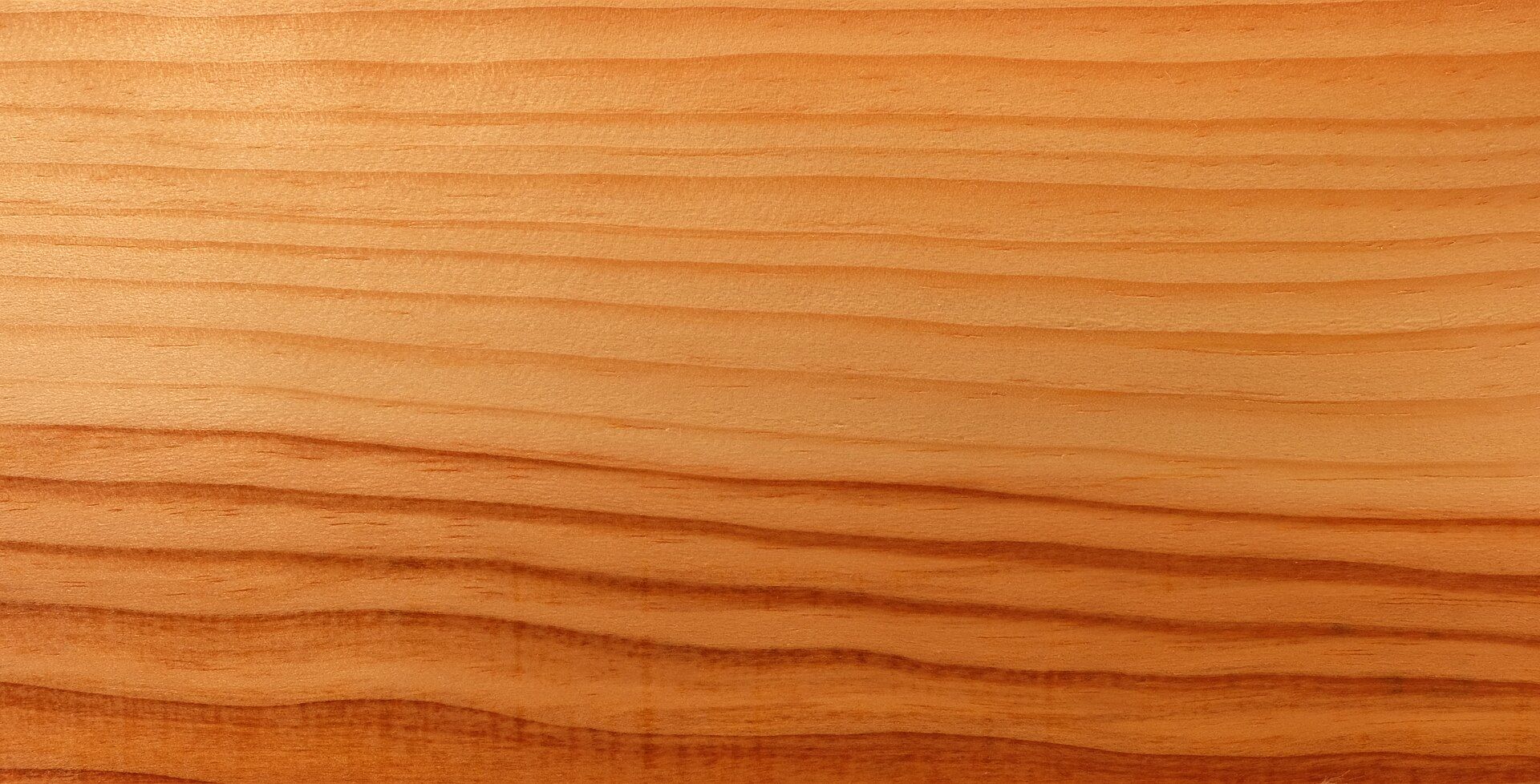
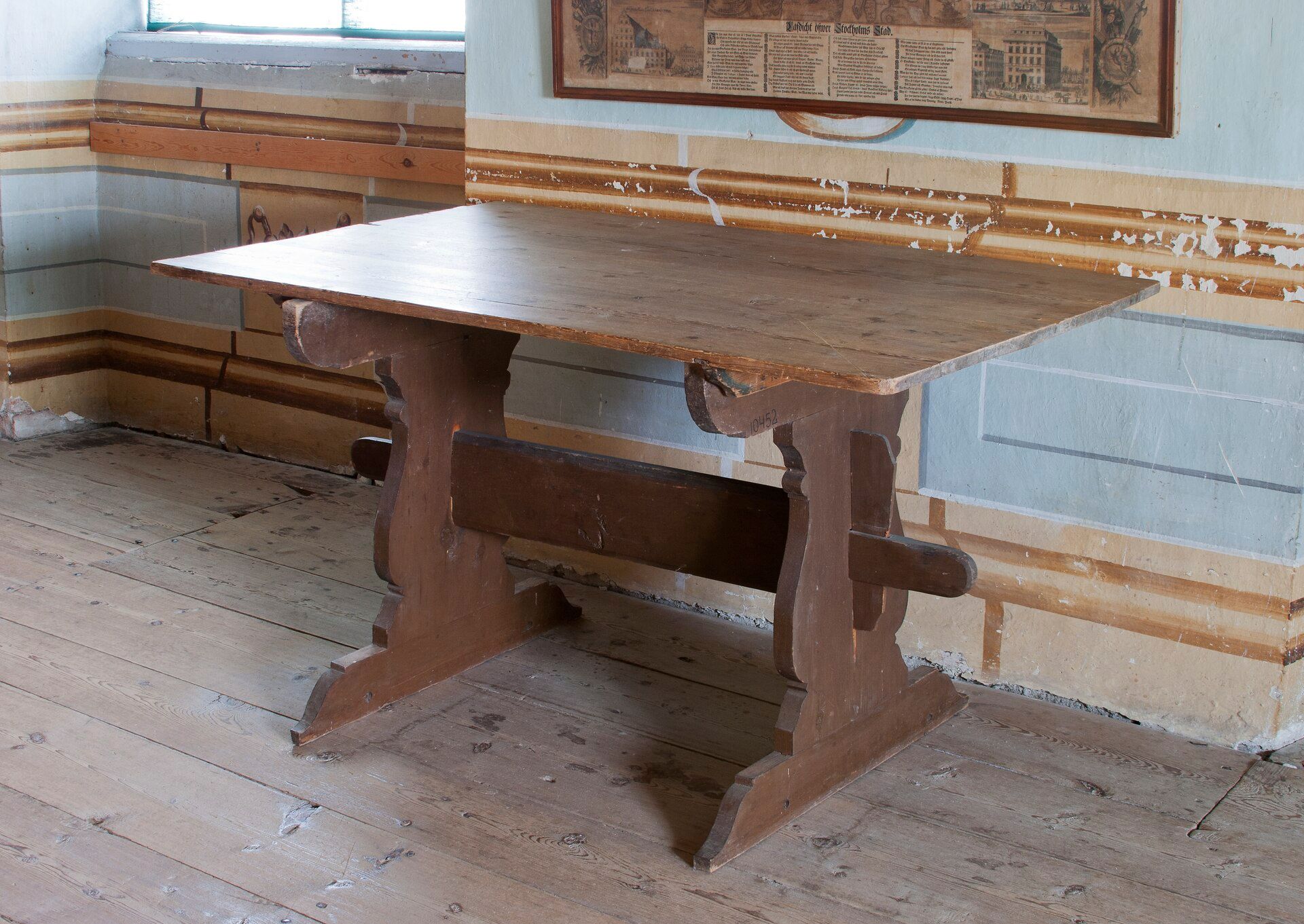
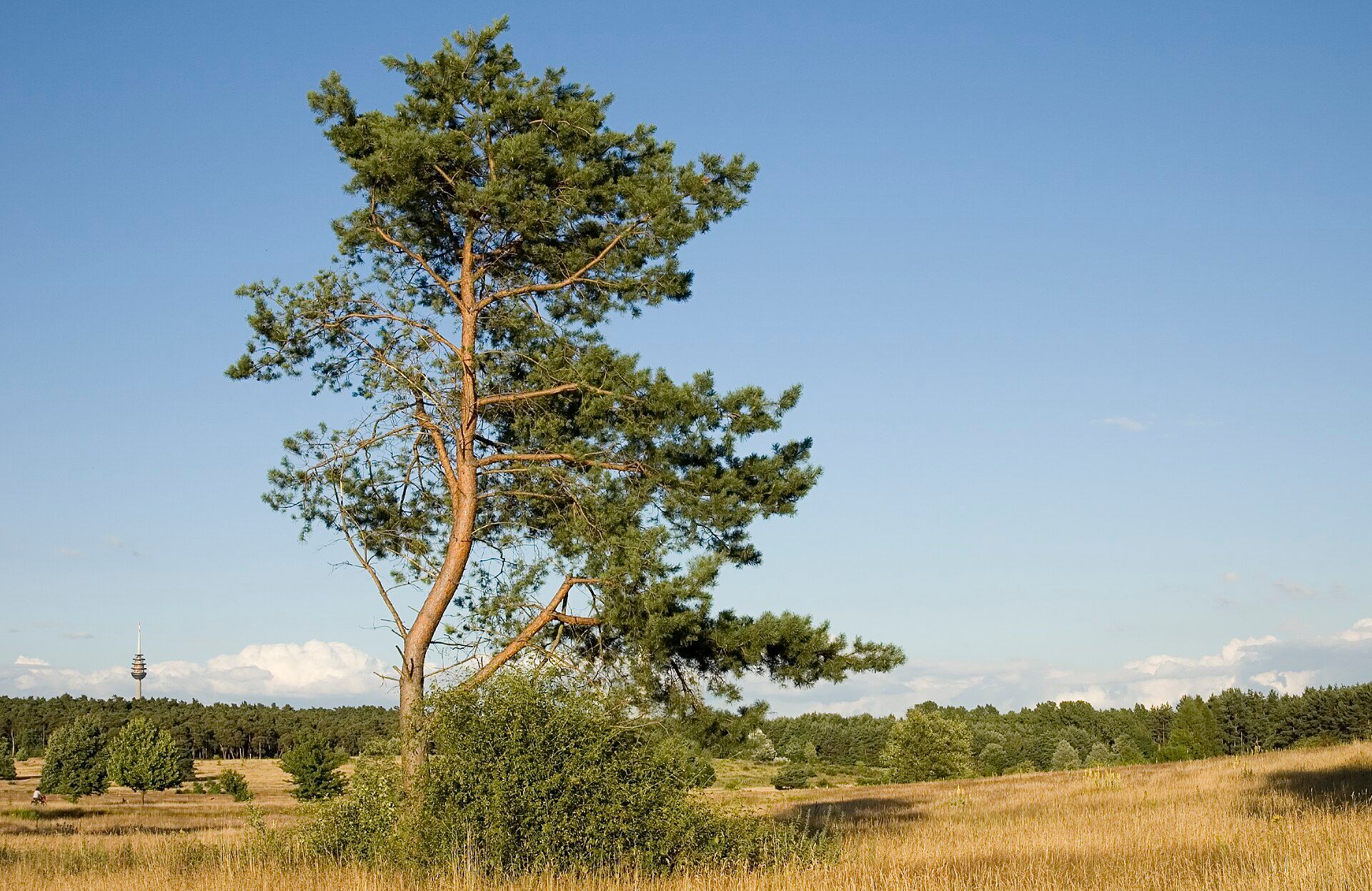
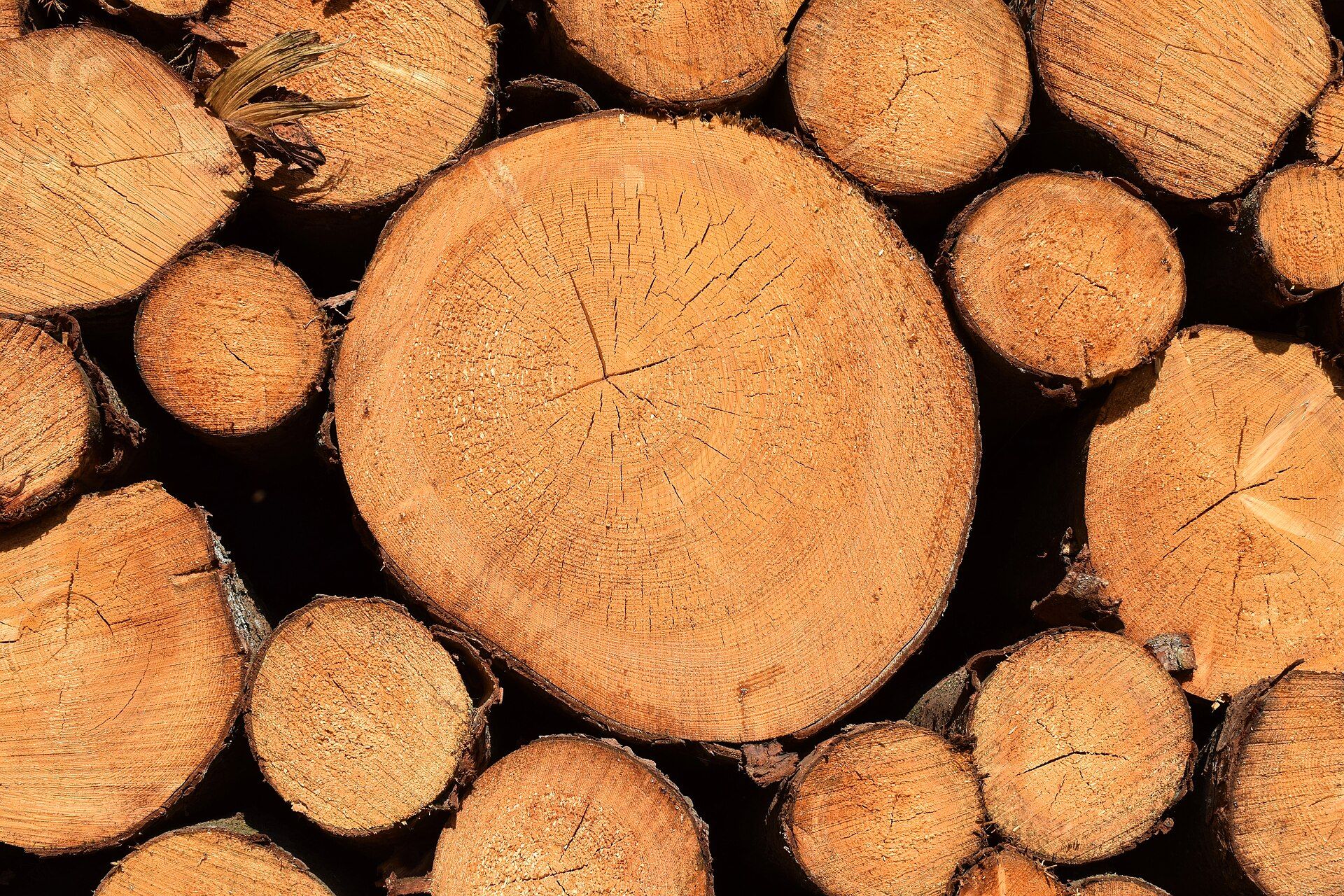
Scots pineSoftwood
Pinus sylvestris
- 540 lbf hard
- 550 kg/m³
- Outdoors: fair
- $$
Northern Europe's pine: posts, poles, floors and framing.
- Easy to work, glues and finishes well
- Takes preservative treatment readily
- Heartwood only moderately durable
- Dust can cause allergic reactions
Data · Photo: Philipp Zinger, CC BY-SA 3.0
Data · Photo: Fredrik Andersson, Skoklosters slott (LSH), CC BY-SA 3.0
Data · Photo: Simon Koopmann, CC BY-SA 2.0 de
Data · Photo: Radomianin, CC BY-SA 4.0
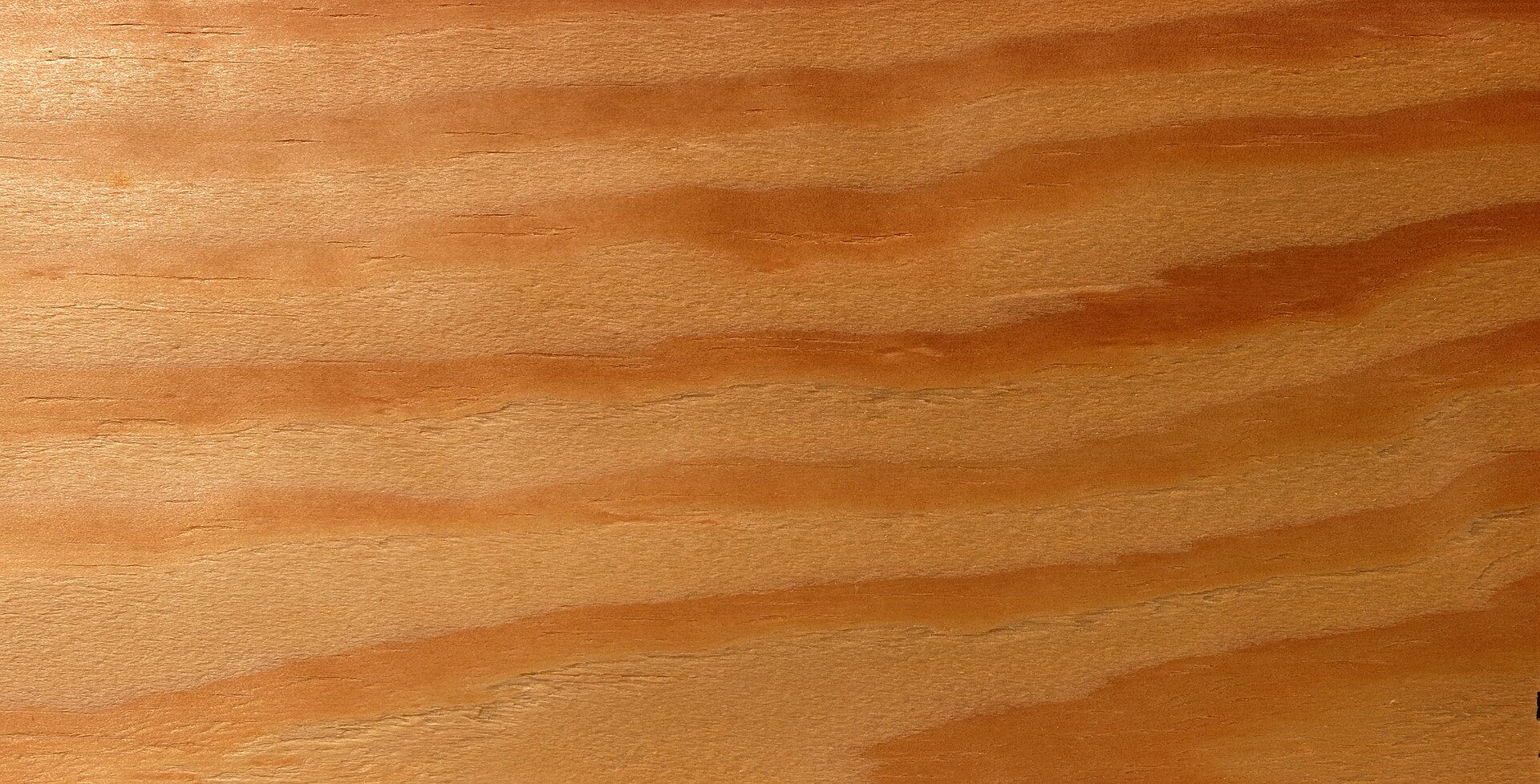
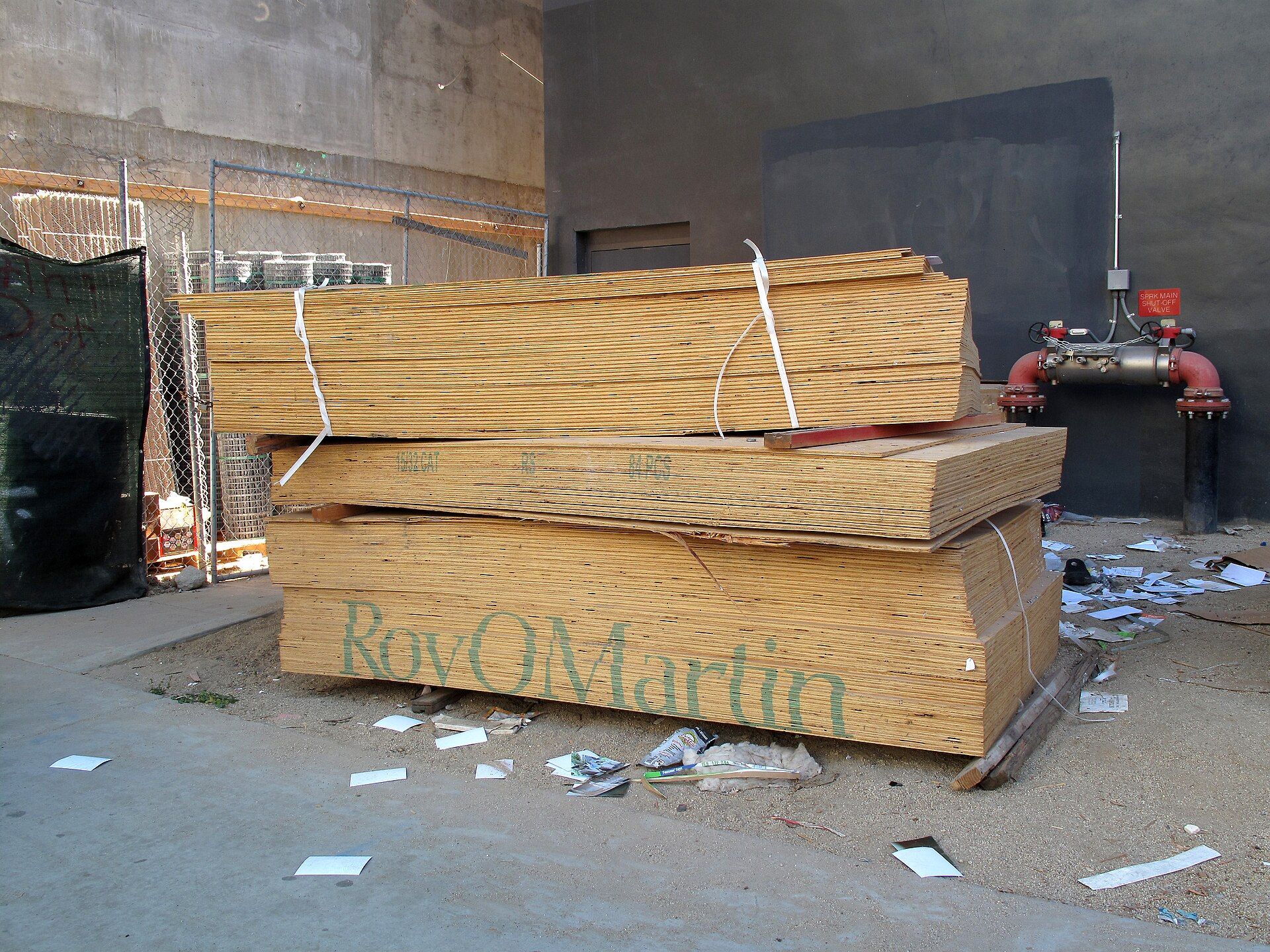
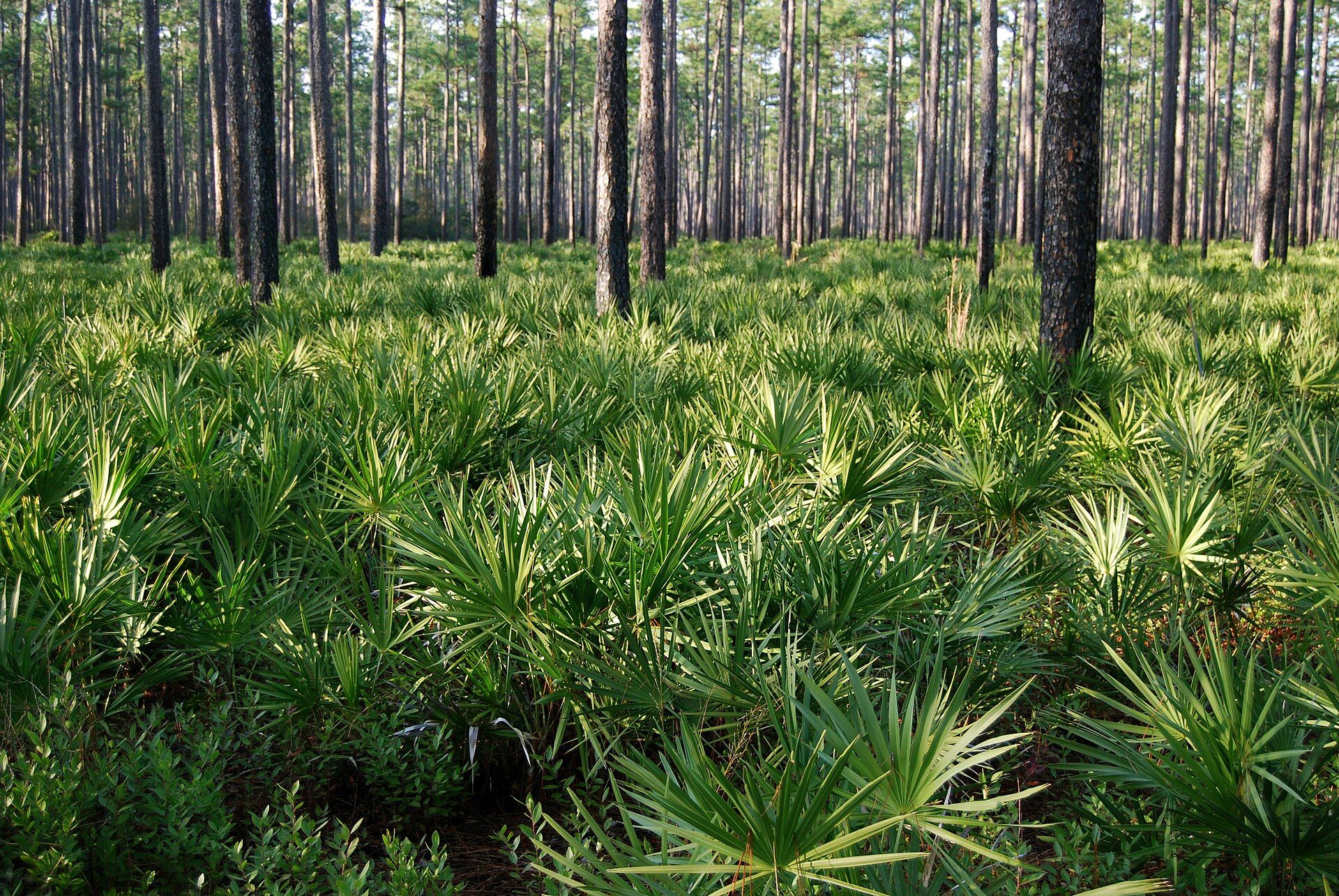
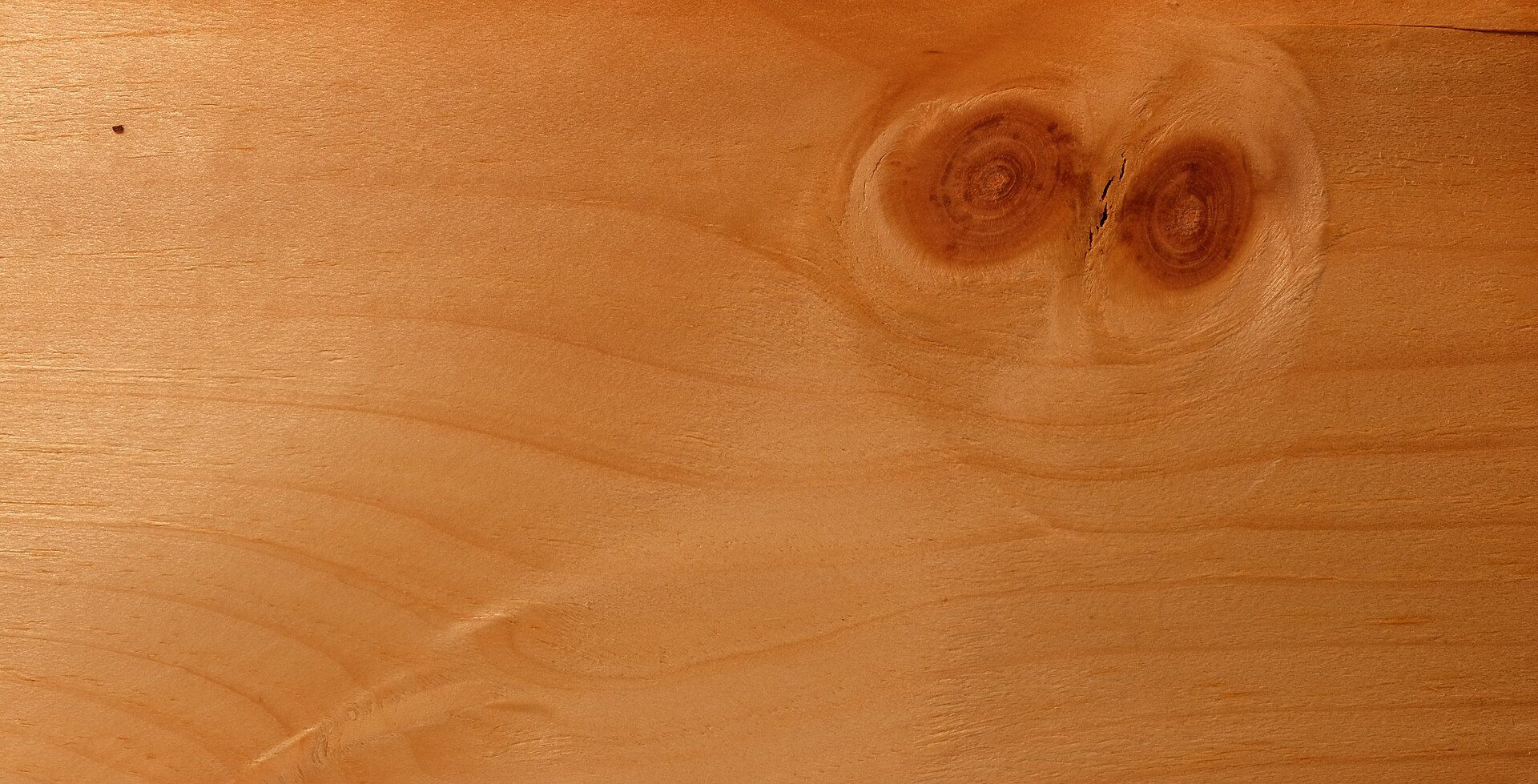
Southern yellow pineSoftwood
Pinus palustris and others
- 870 lbf hard
- 650 kg/m³
- Outdoors: fair
- $
The hard, heavy pine behind US trusses, joists and pressure-treated decks.
- Hard and strong for its weight
- Modest price
- Resin gums up blades and sandpaper
- Needs treating to last outdoors
Data · Photo: Philipp Zinger, CC BY-SA 4.0
Data · Photo: Downtowngal, CC BY-SA 4.0
Data · Photo: Geoff Gallice from Gainesville, FL, USA, CC BY 2.0
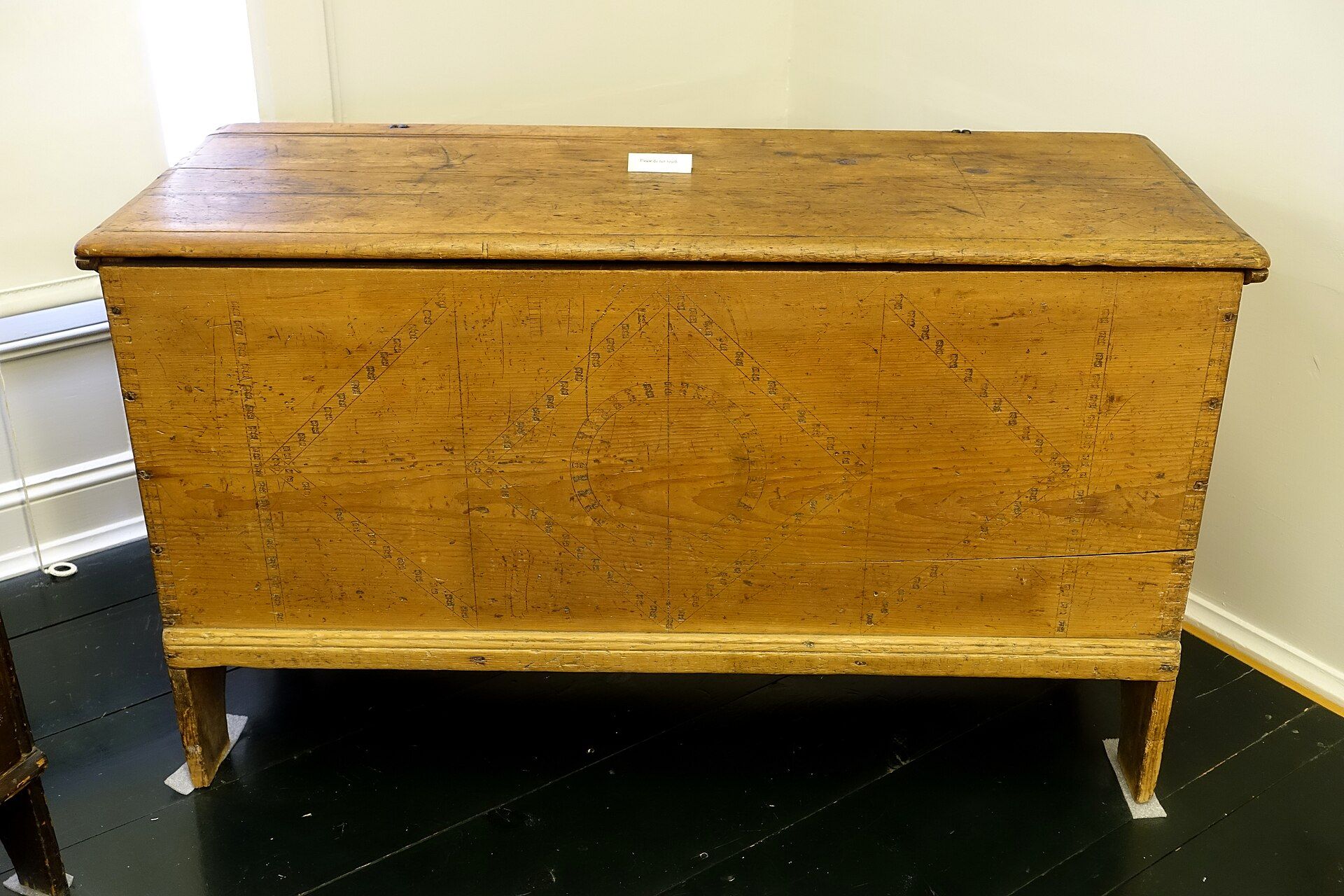
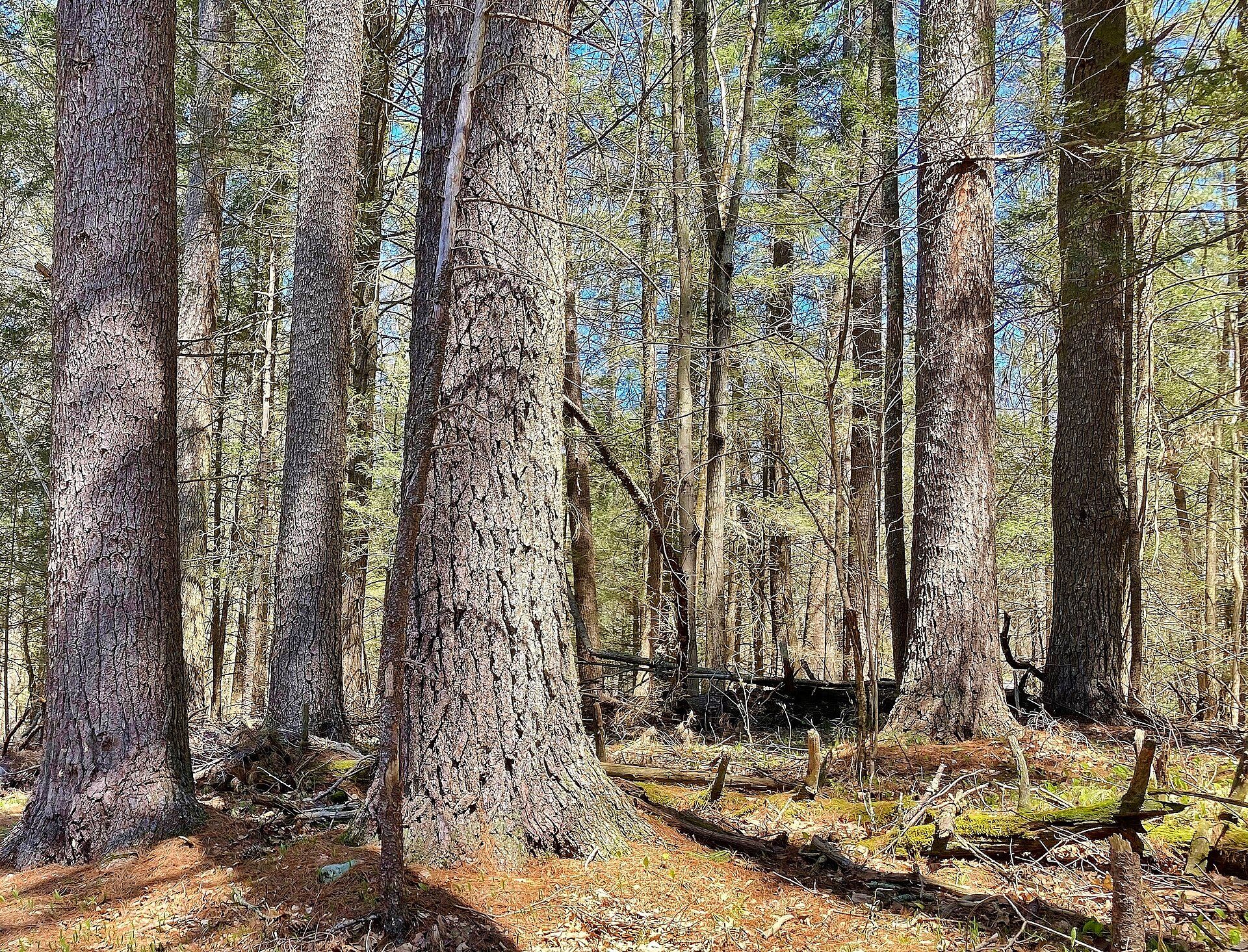
Eastern white pineSoftwood
Pinus strobus
- 380 lbf hard
- 400 kg/m³
- Outdoors: poor
- $$
Soft, light and easy to work. Trim, carving, boxes and framing.
- Easy to work, glues and finishes well
- Moderately priced
- Soft, so it dents
- Slightly durable outdoors
Data · Photo: Philipp Zinger, CC BY-SA 3.0
Data · Photo: Daderot, Public domain (CC0)
Data · Photo: Marty Aligata, CC BY-SA 4.0
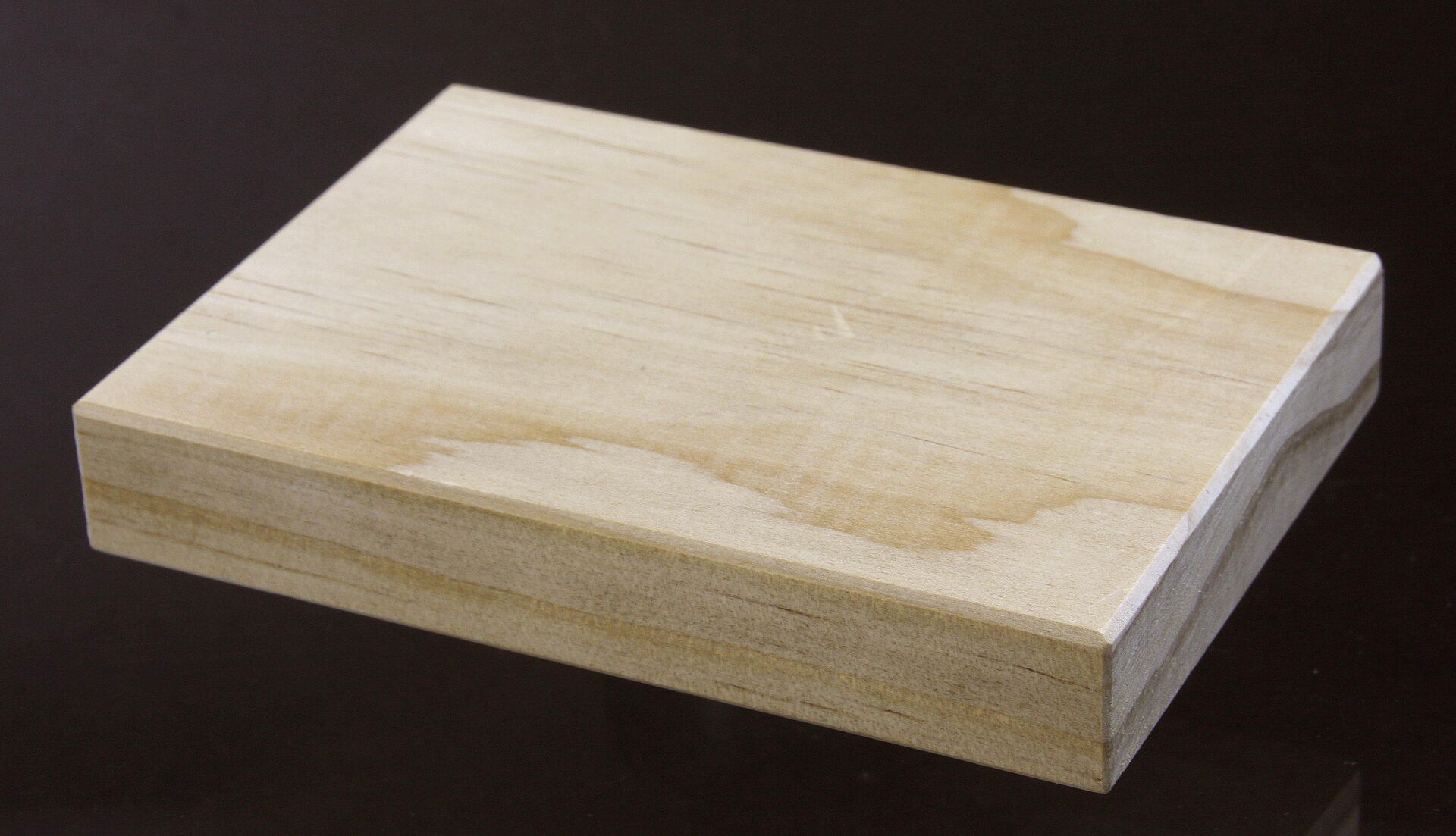
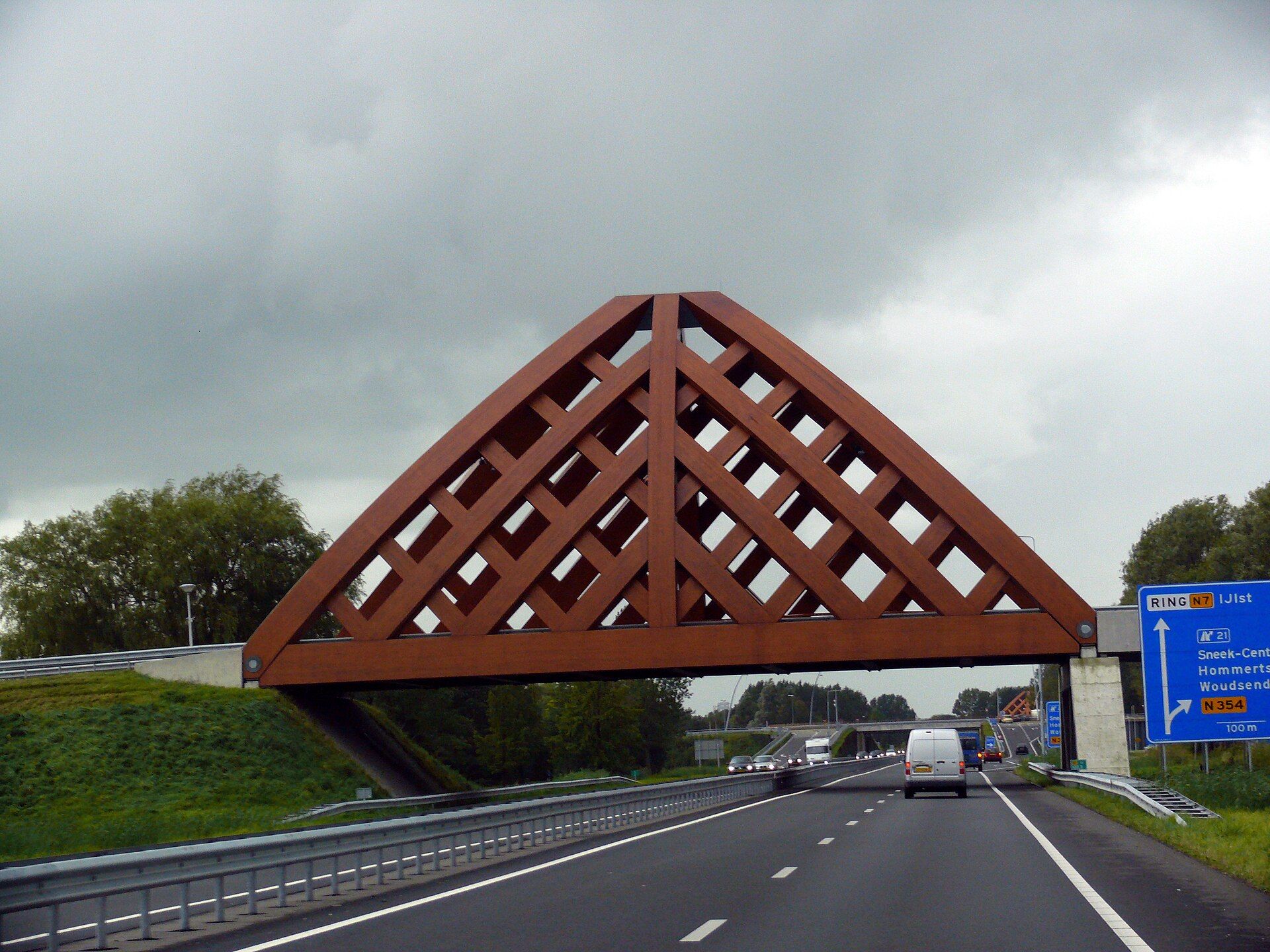
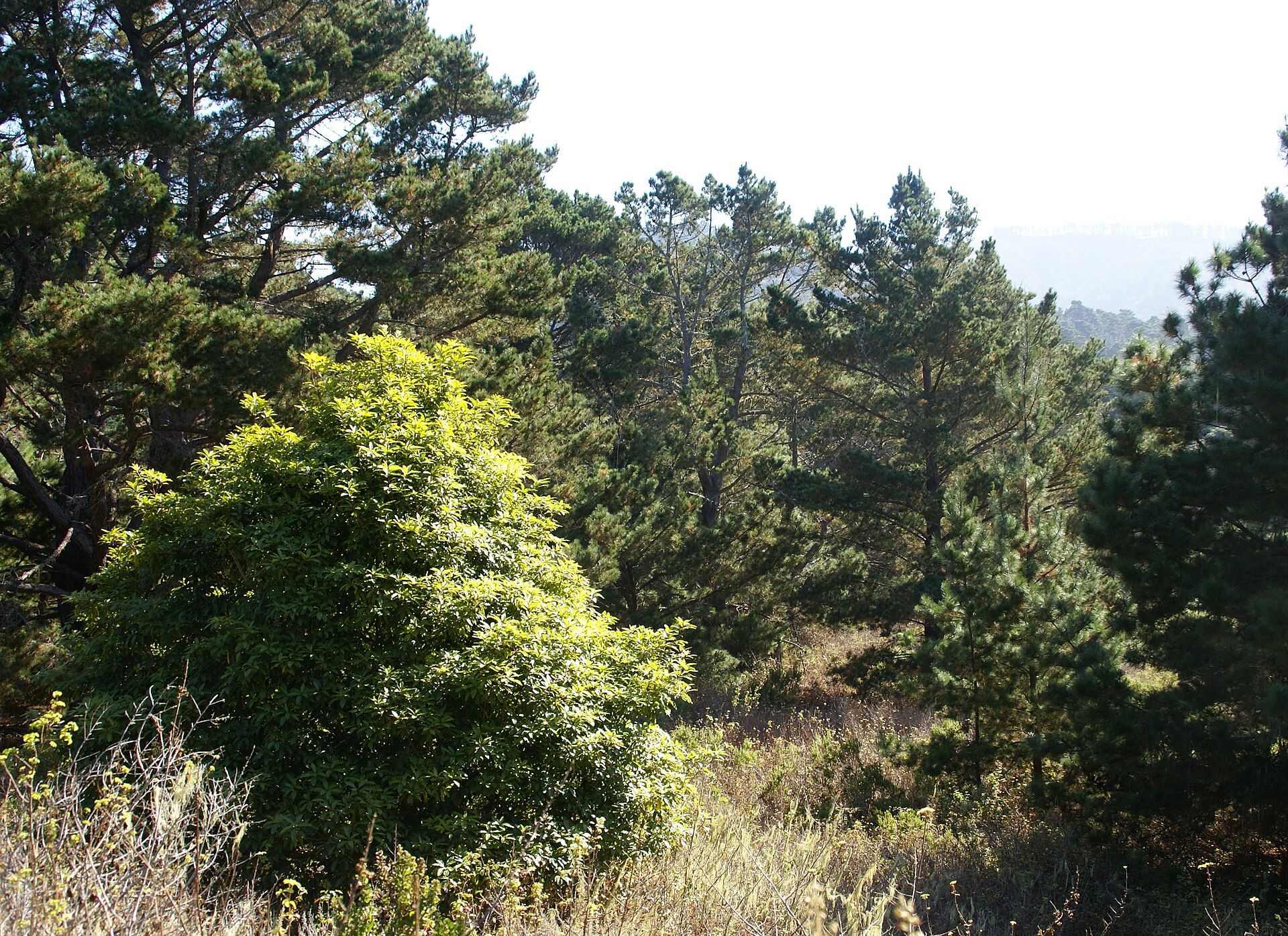
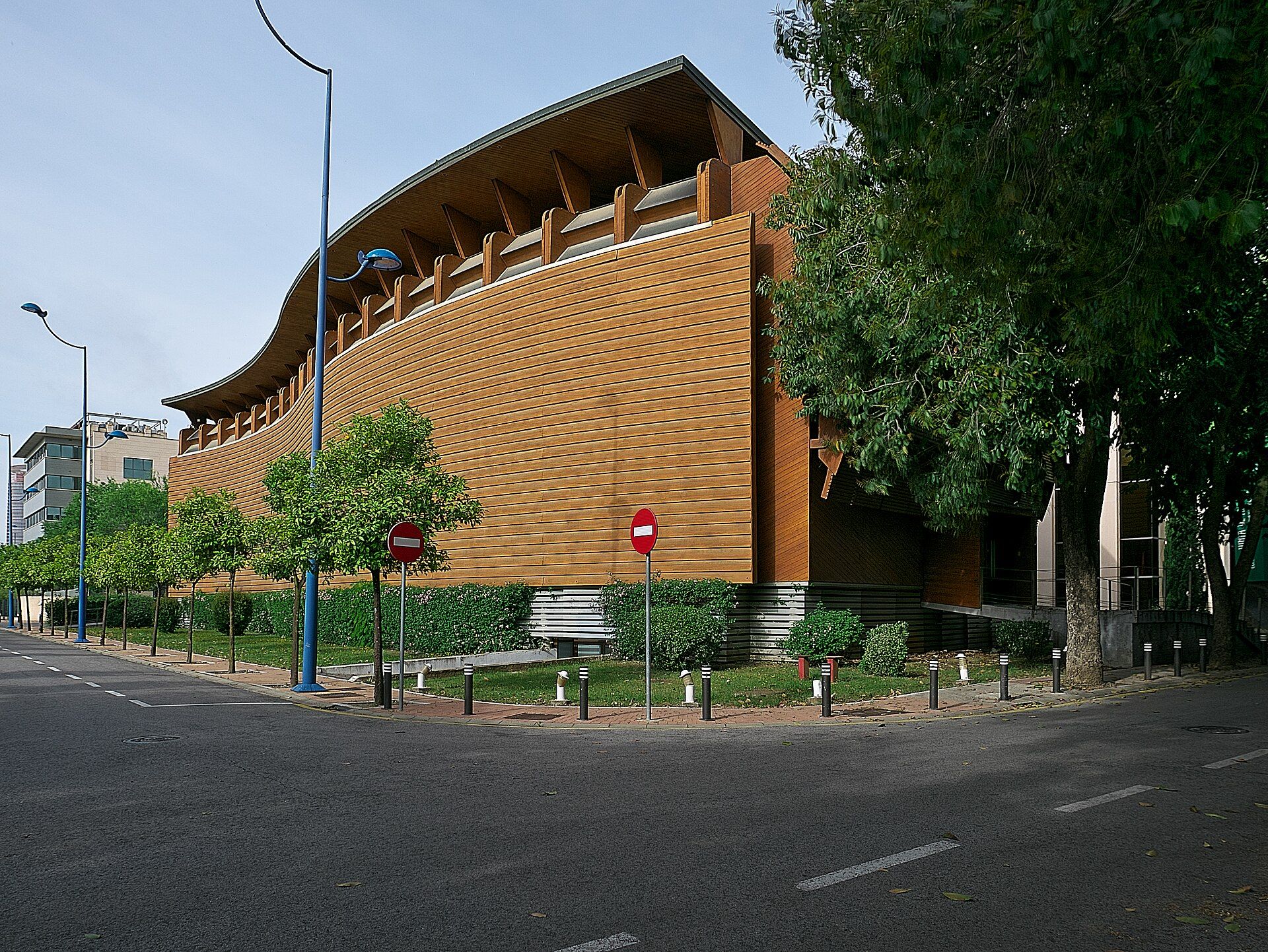
Radiata pineSoftwood
Pinus radiata
- 710 lbf hard
- 515 kg/m³
- Outdoors: poor
- $$
The southern hemisphere's plantation pine: plywood, framing and crates.
- Sapwood takes treatment readily
- Widely grown in plantations
- Heartwood non-durable to perishable
- Dearer than local pine up north
Data · Photo: Elke Wetzig (elya), CC BY-SA 3.0
Data · Photo: Dr. Gerhard Büttner, Göttingen, Germany, CC BY-SA 3.0
Data · Photo: David Baron from Palo Alto, California, USA, CC BY-SA 2.0
Data · Photo: Jl FilpoC, CC BY-SA 4.0
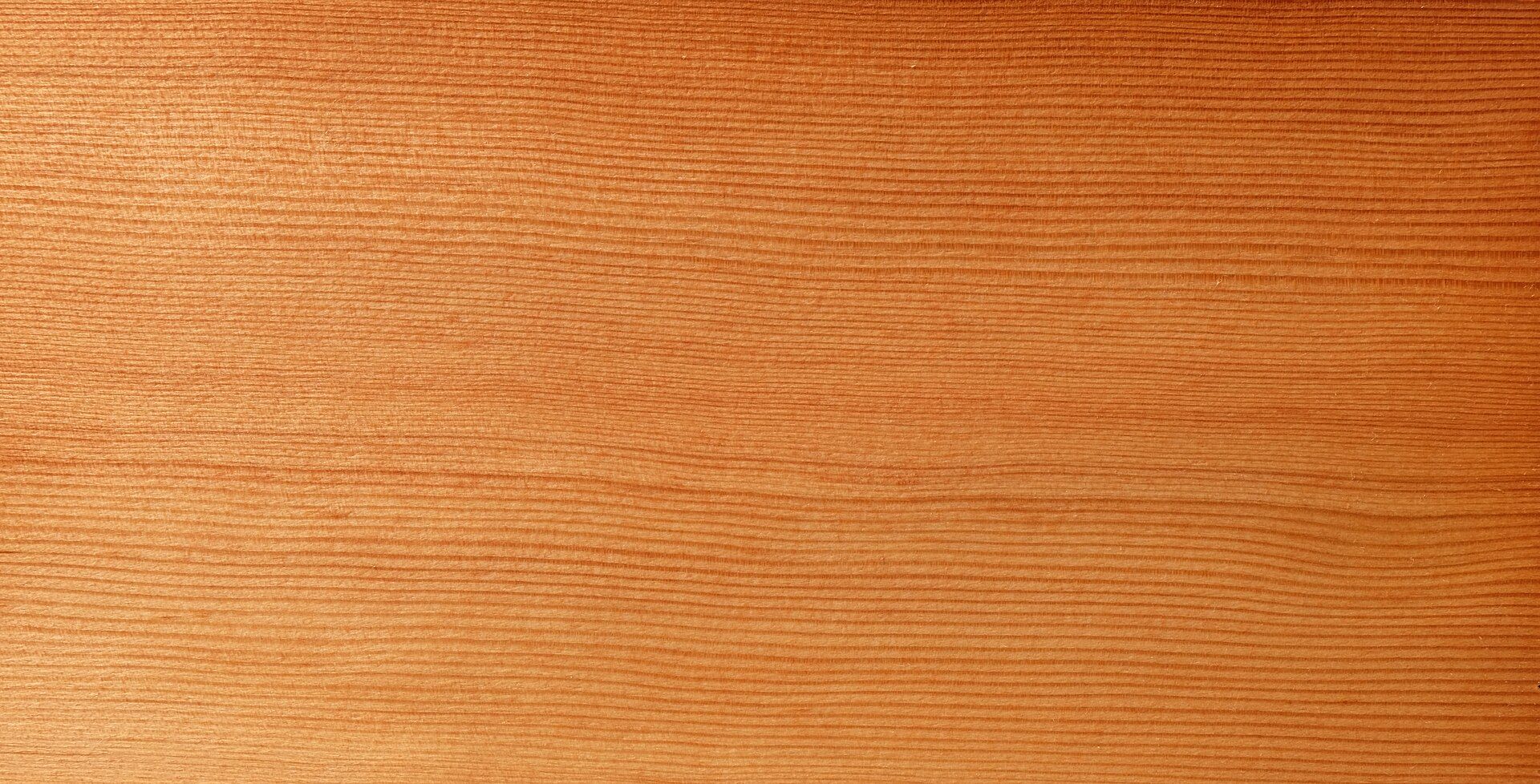
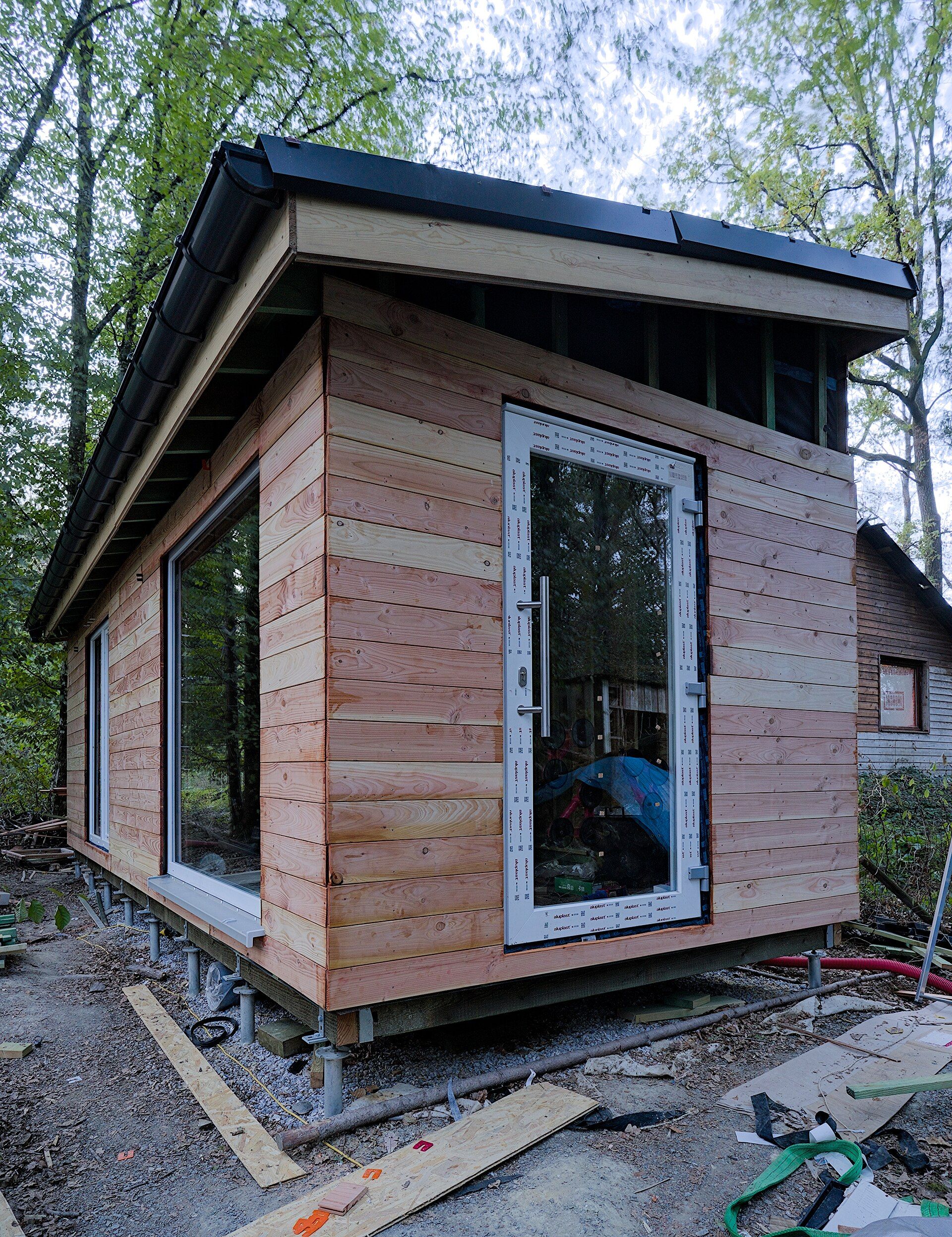
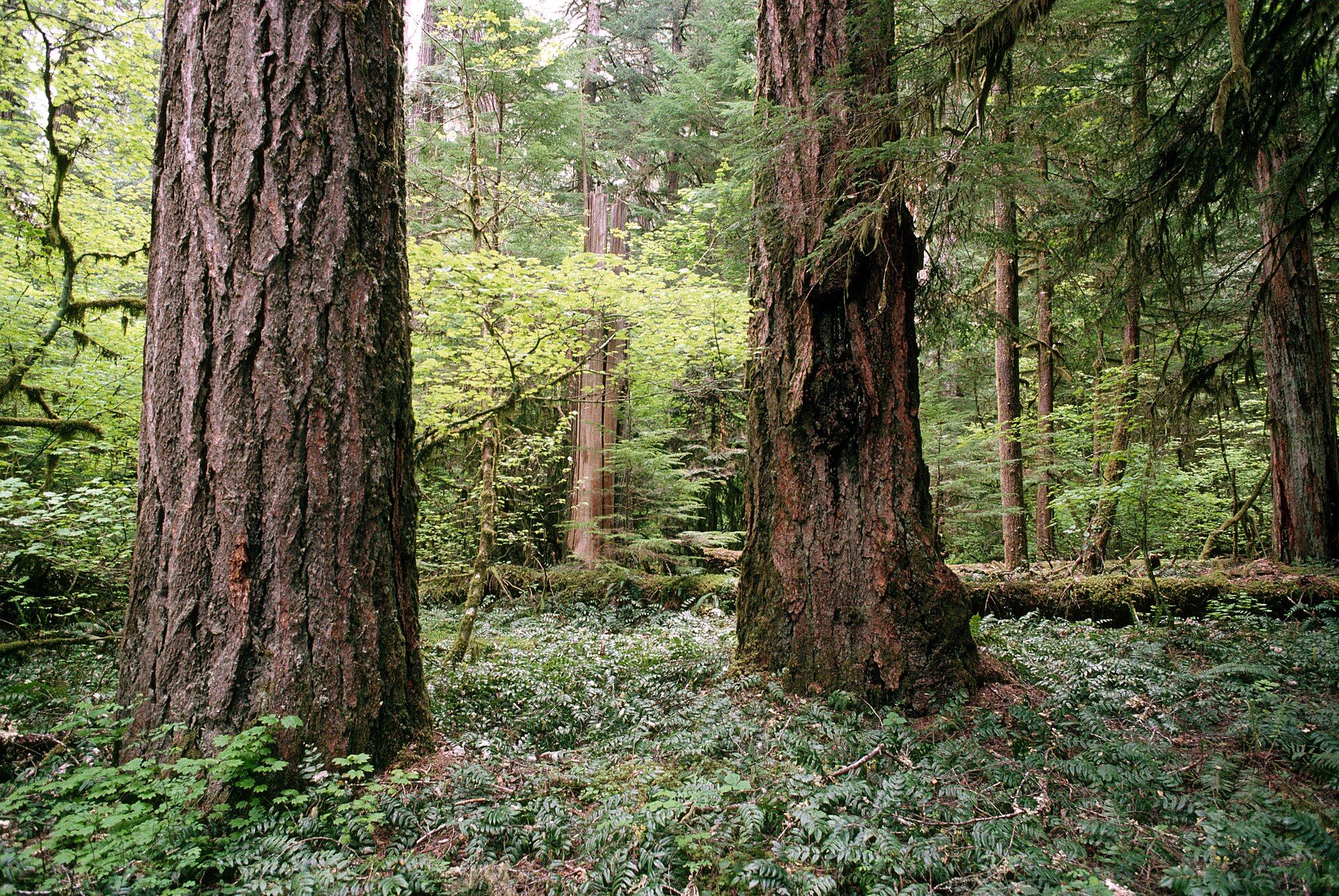
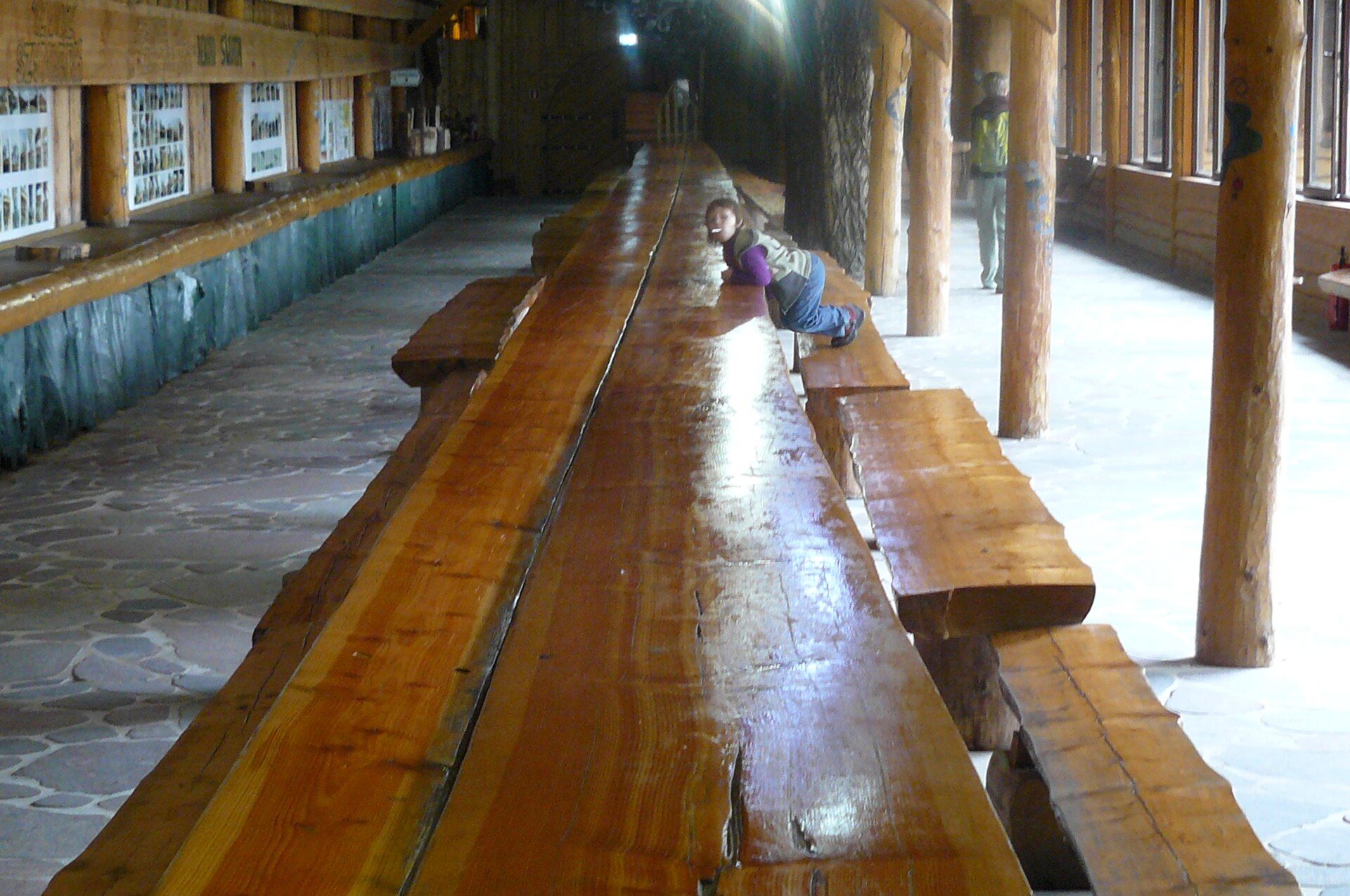
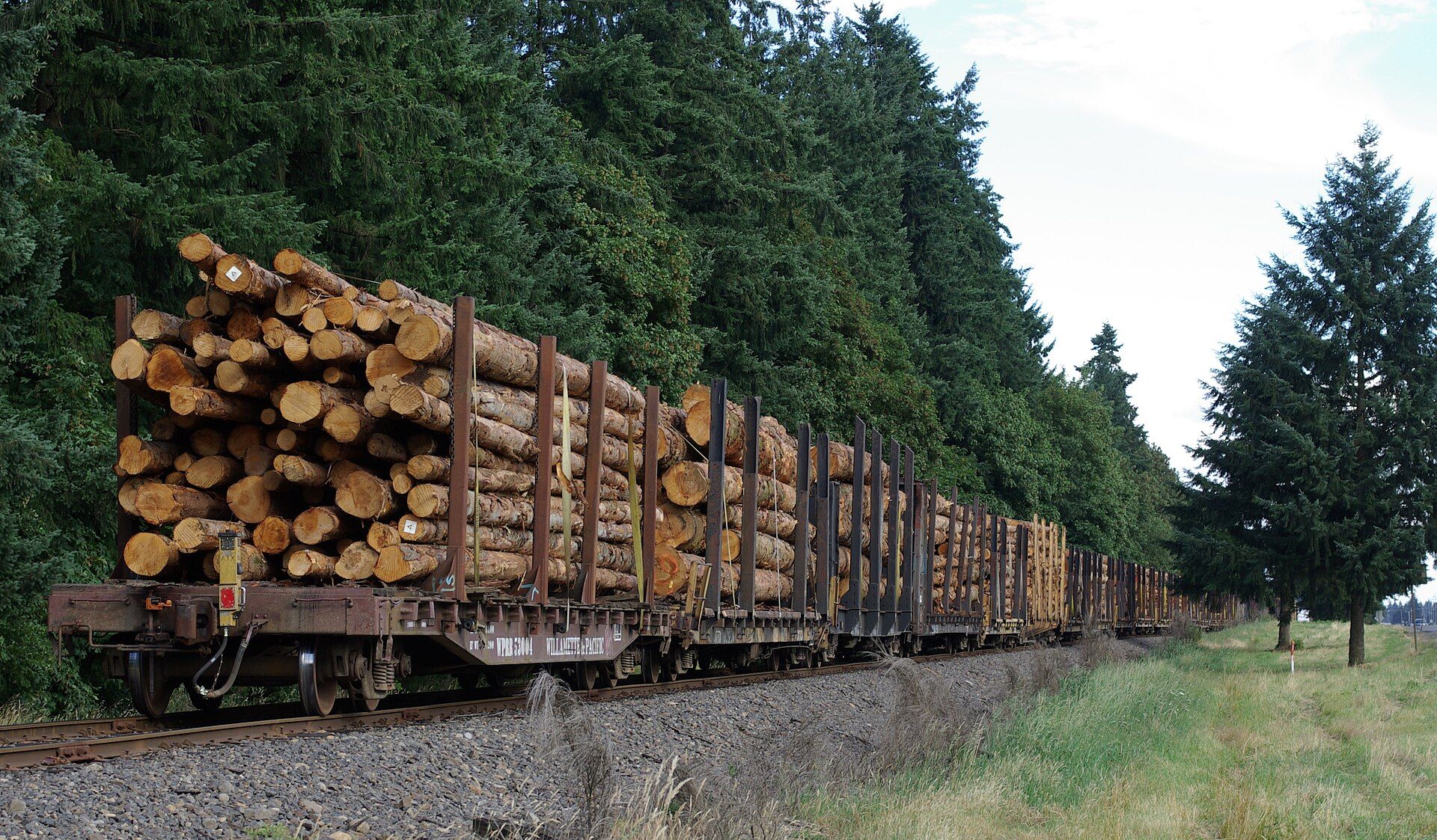
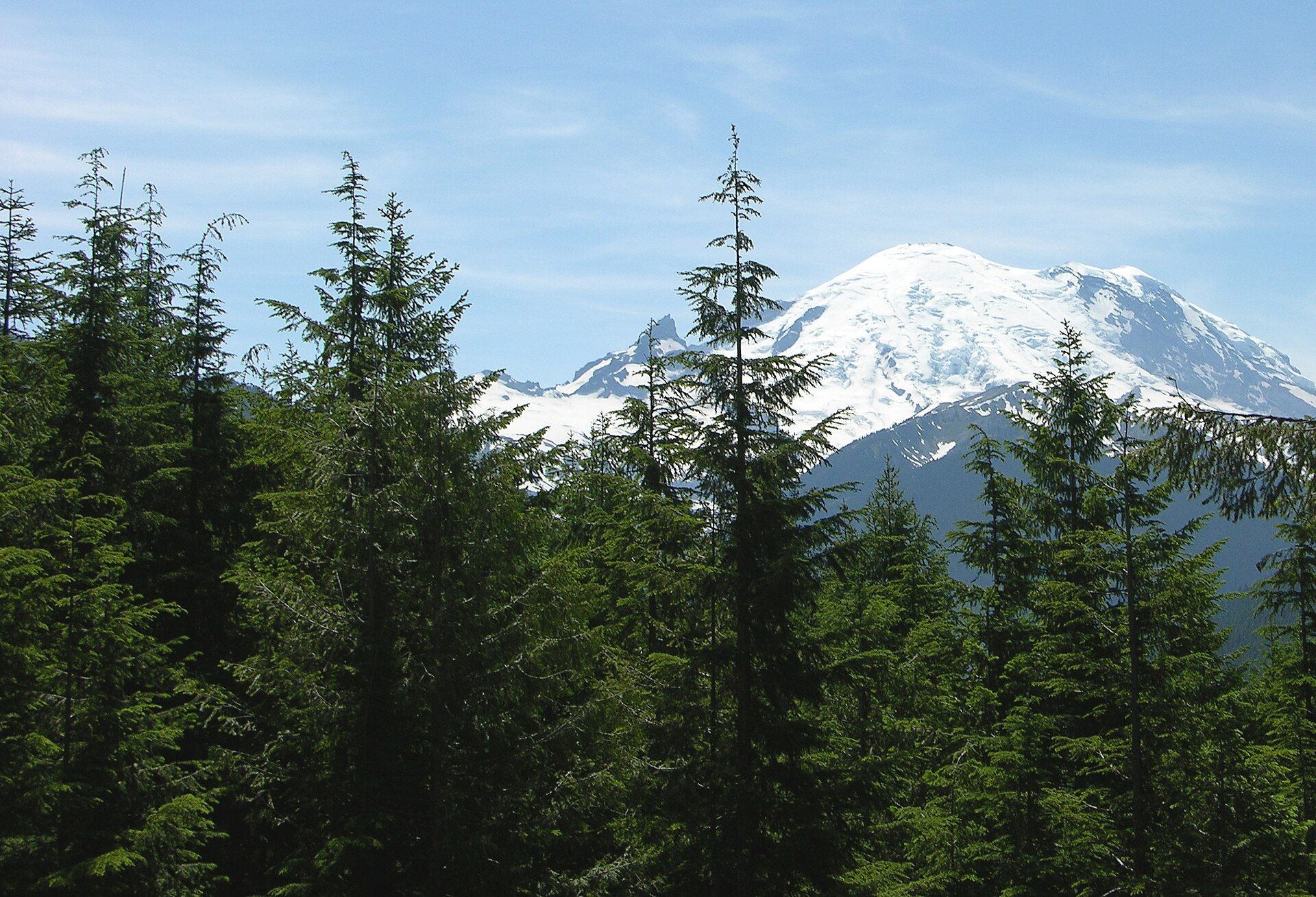
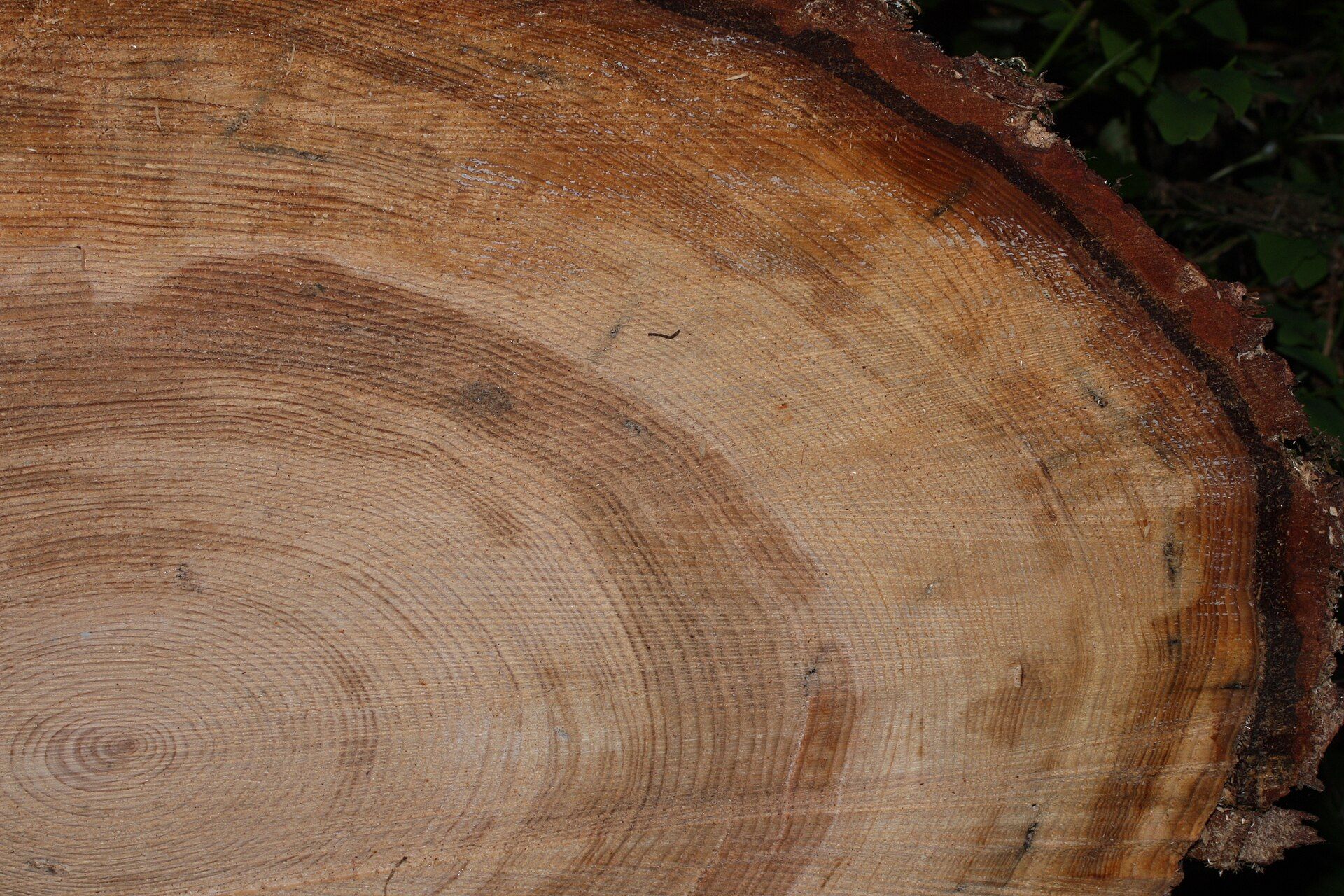
Douglas firSoftwood
Pseudotsuga menziesii
- 620 lbf hard
- 510 kg/m³
- Outdoors: fair
- $
Very stiff and strong for its weight. Beams, framing and plywood.
- Very stiff and strong for its weight
- Modest price
- Blunts cutters a bit
- Splinters can get infected
Data · Photo: Philipp Zinger, CC BY-SA 3.0
Data · Photo: Trougnouf (Benoit Brummer), CC BY 4.0
Data · Photo: U.S. Forest Service- Pacific Northwest Region, Public domain (US Forest Service)
Data · Photo: MOs810, CC BY-SA 4.0
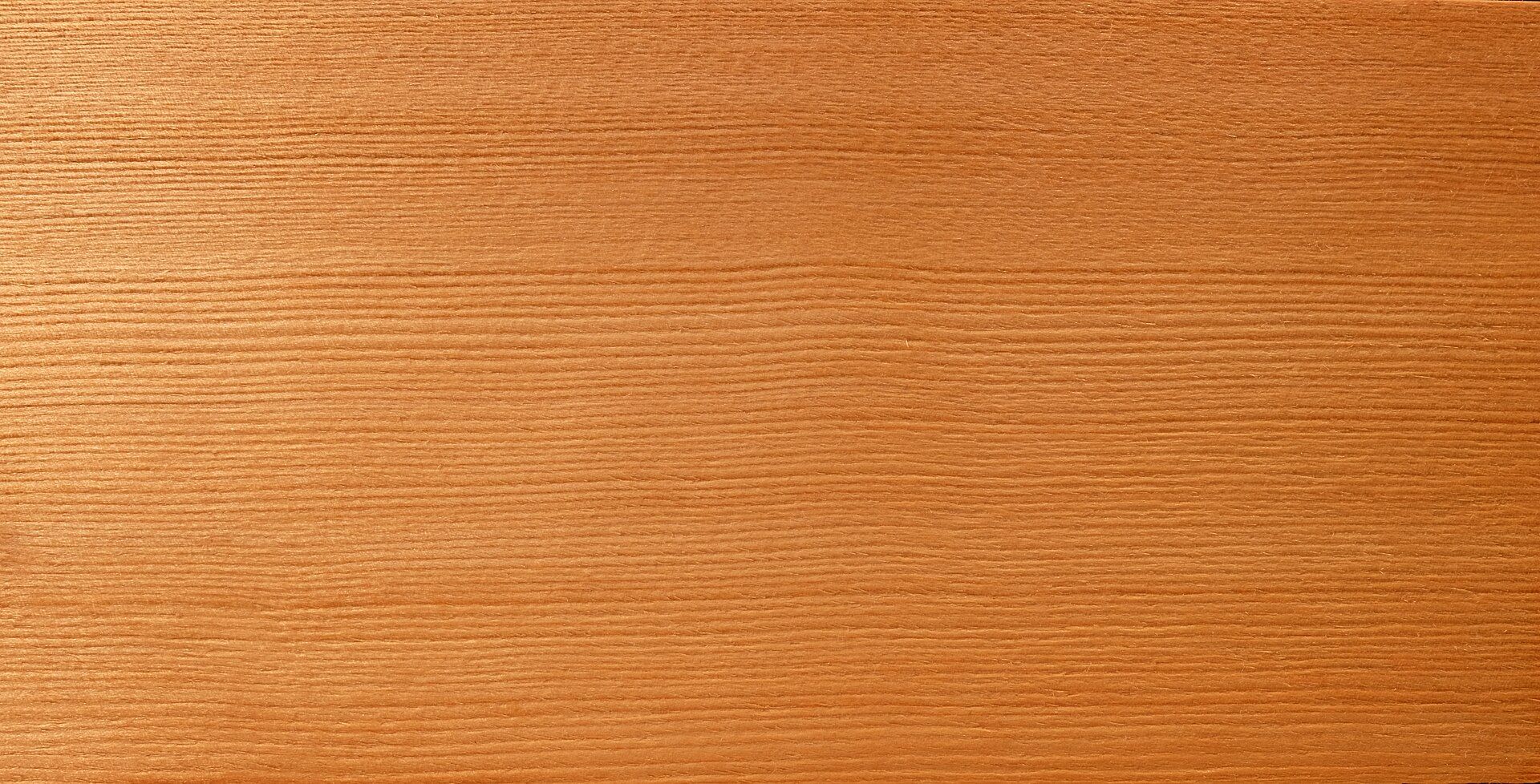
Western hemlockSoftwood
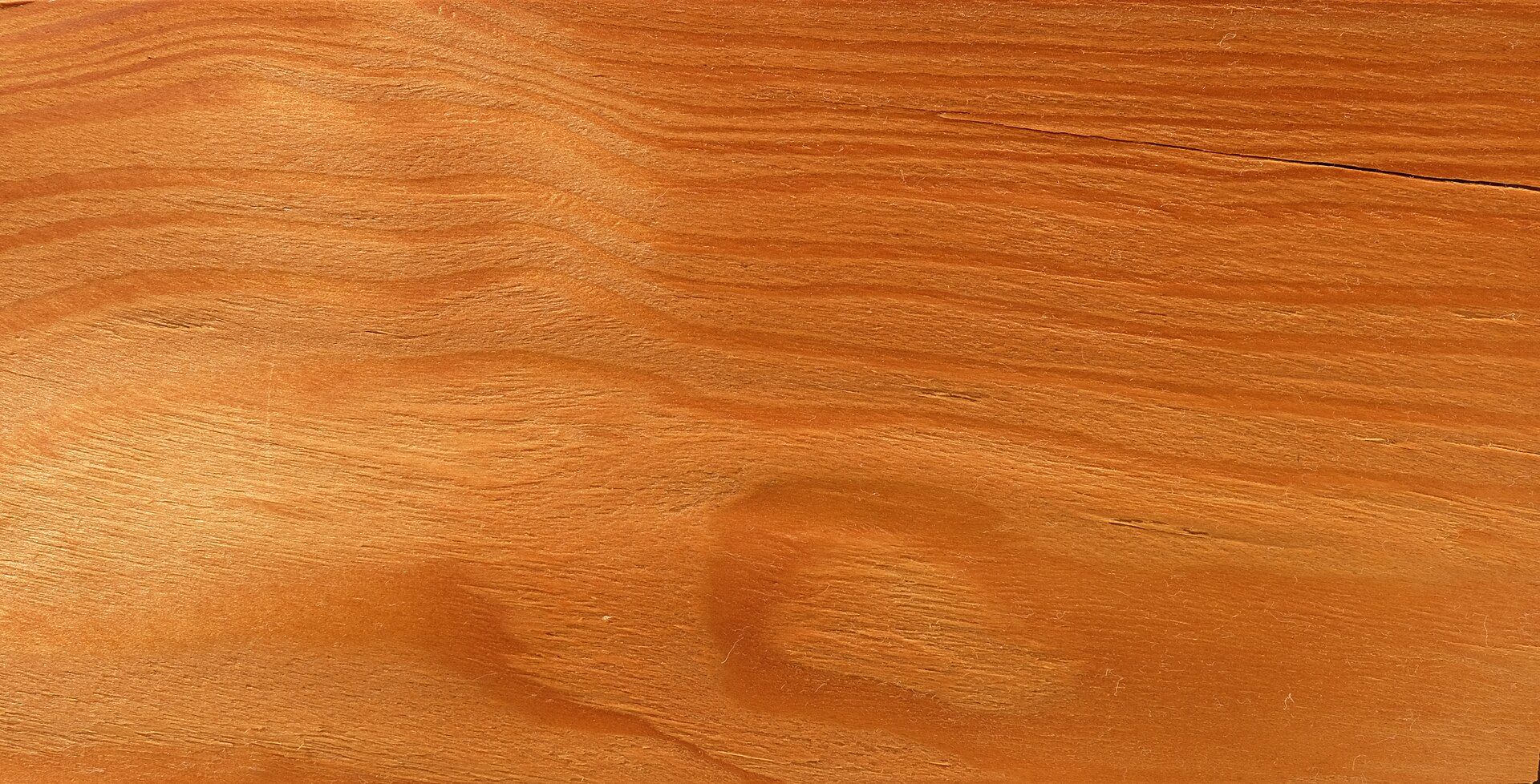
Tsuga heterophylla
- 540 lbf hard
- 465 kg/m³
- Outdoors: poor
- $$
Sold with fir as hem-fir. Framing, plywood and pallets.
- Glues, stains and finishes well
- Moderately priced
- Sanding can dip the soft earlywood
- Non-durable outdoors
Data · Photo: Philipp Zinger, CC BY-SA 3.0
Data · Photo: Rvannatta (English Wikipedia), CC BY-SA 3.0
Data · Photo: Alex O'Neal, CC BY-SA 2.0
Data · Photo: Walter Siegmund, CC BY-SA 3.0
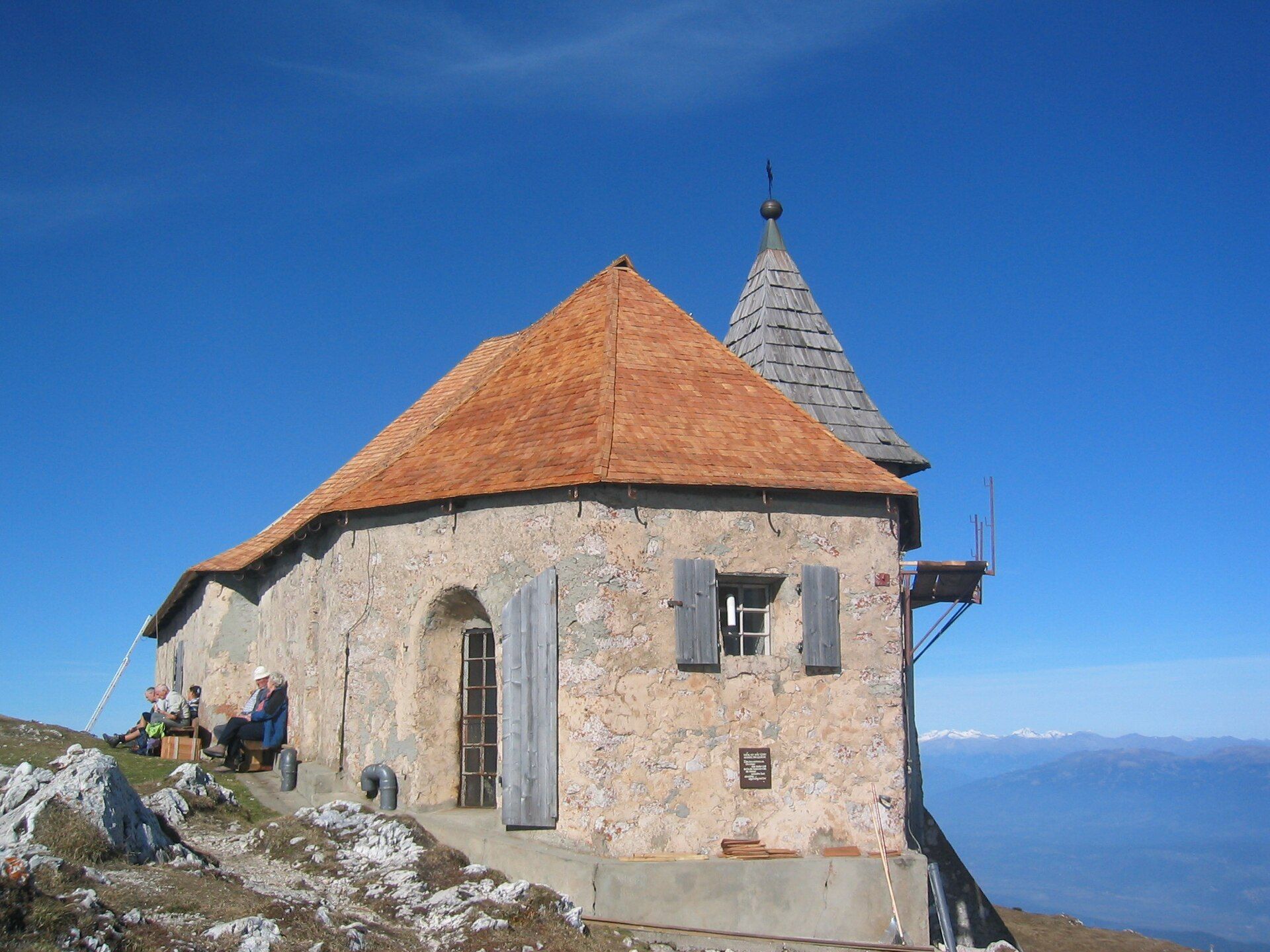
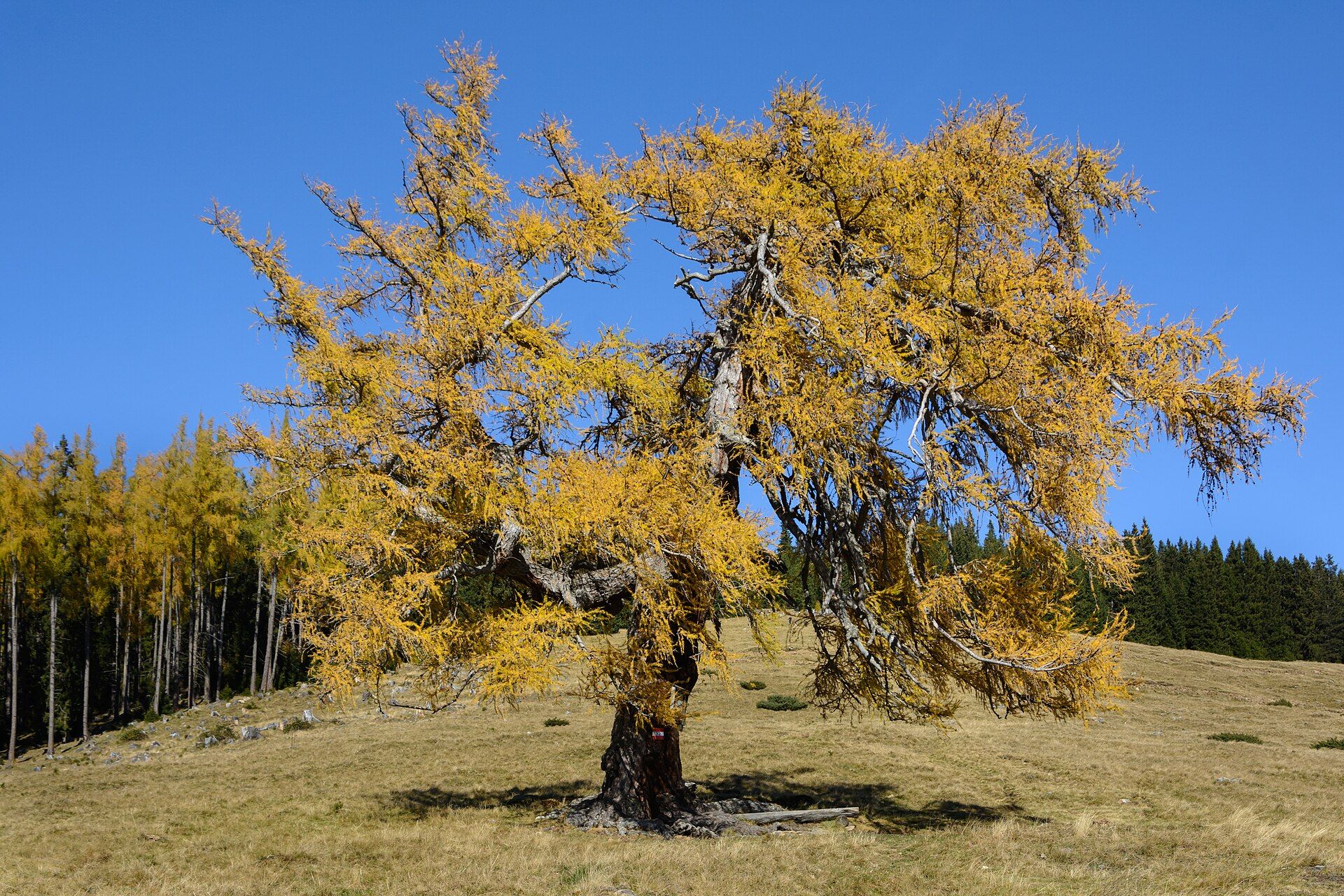
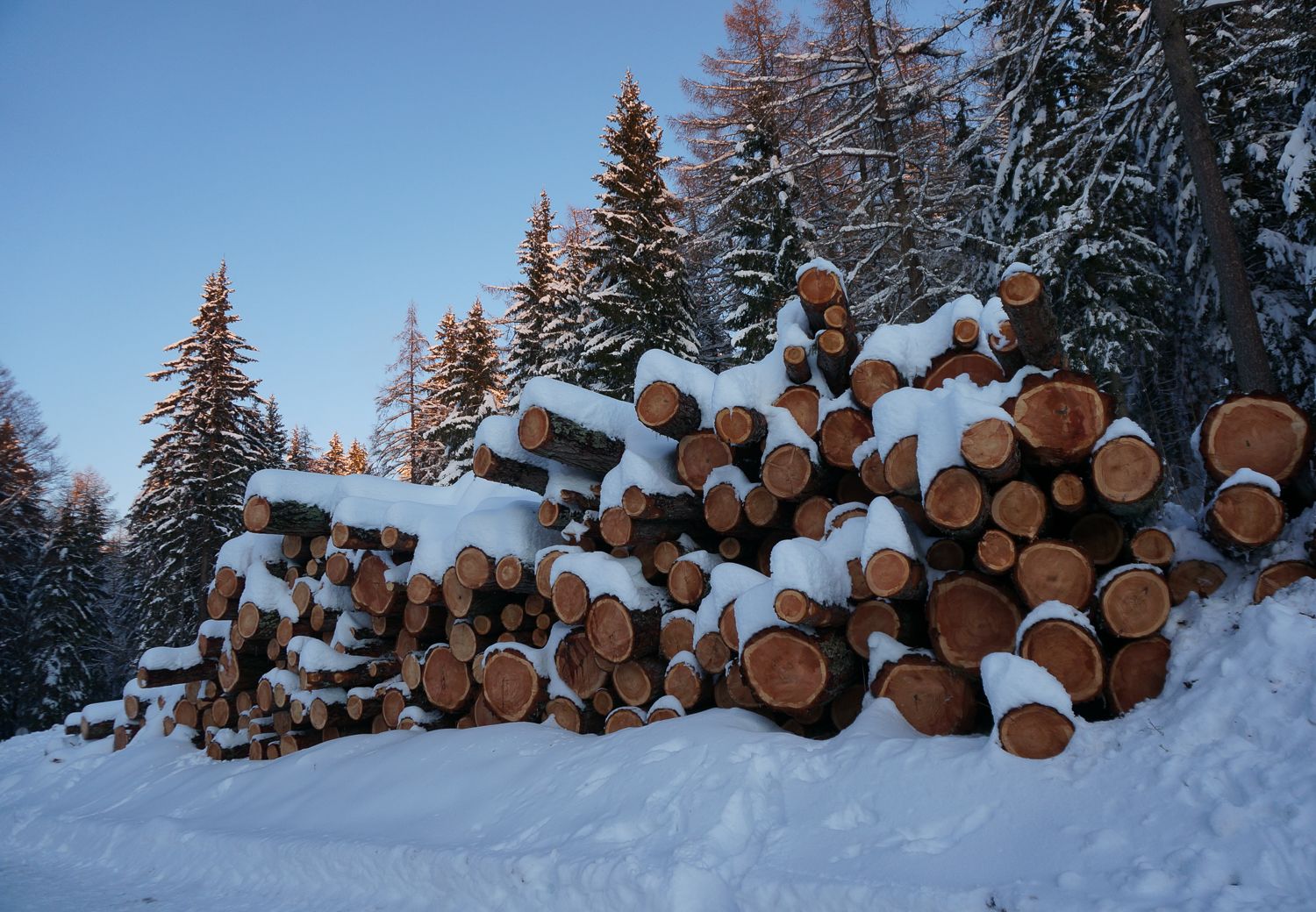
European larchSoftwood
Larix decidua
- 740 lbf hard
- 575 kg/m³
- Outdoors: fair
- $$
The hardest European softwood here. Cladding, floors, posts and boats.
- Moderately durable heartwood
- Moderately priced
- Resin gums up blades
- Sands unevenly
Data · Photo: Philipp Zinger, CC BY-SA 4.0
Data · Photo: Markus Steiner (German Wikipedia), Public domain (released by author)
Data · Photo: Uoaei1, CC BY-SA 4.0
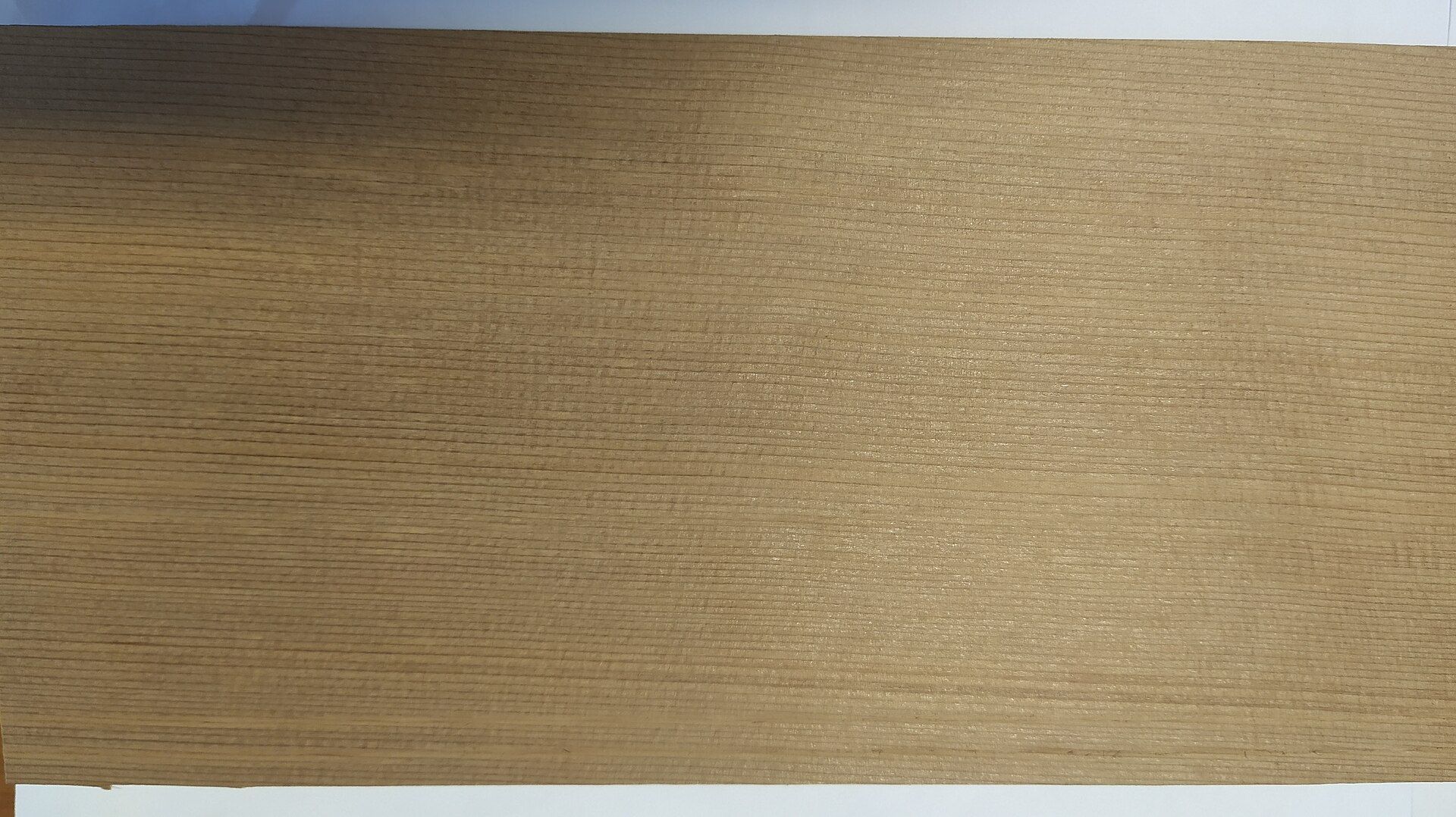
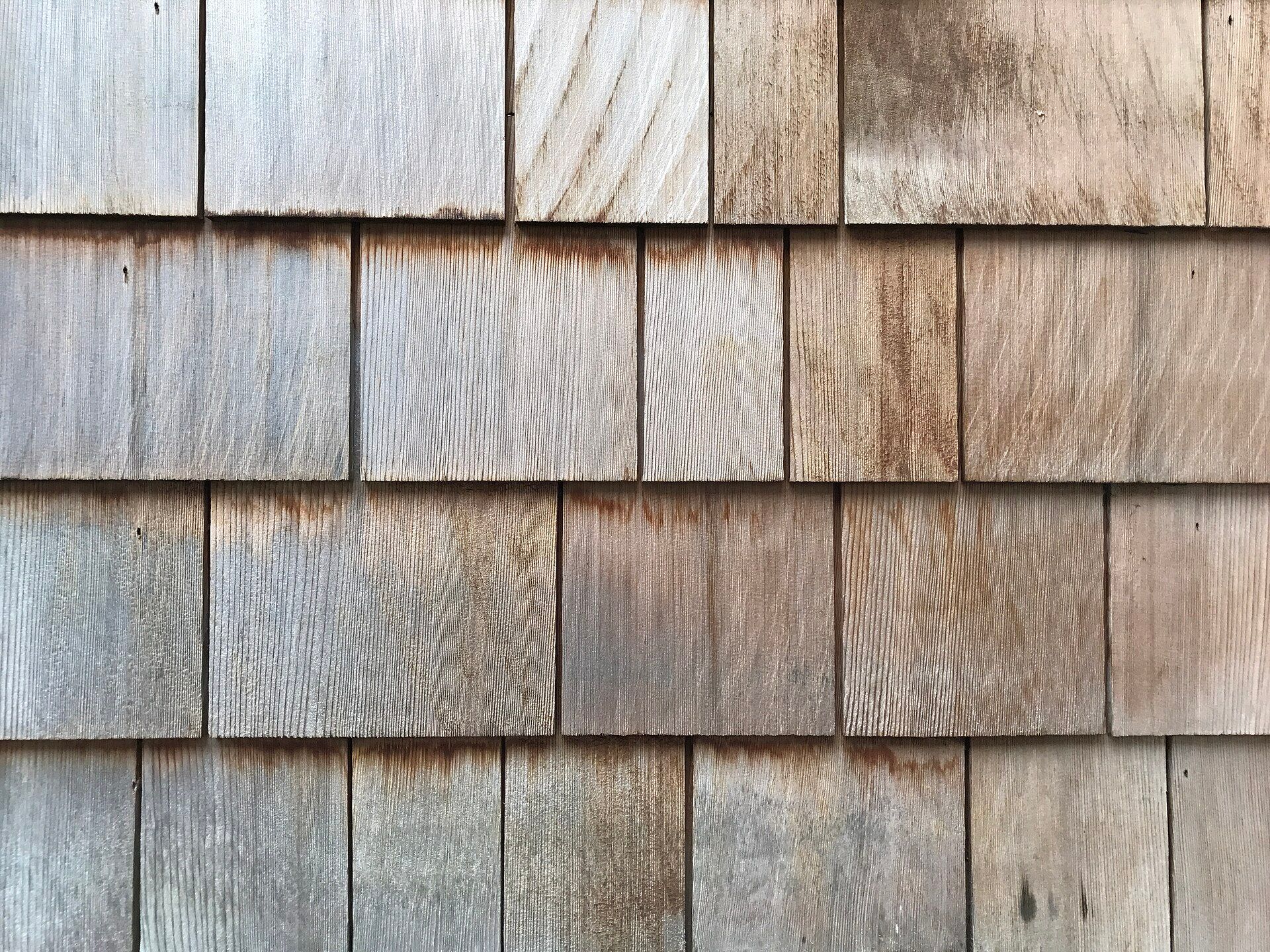
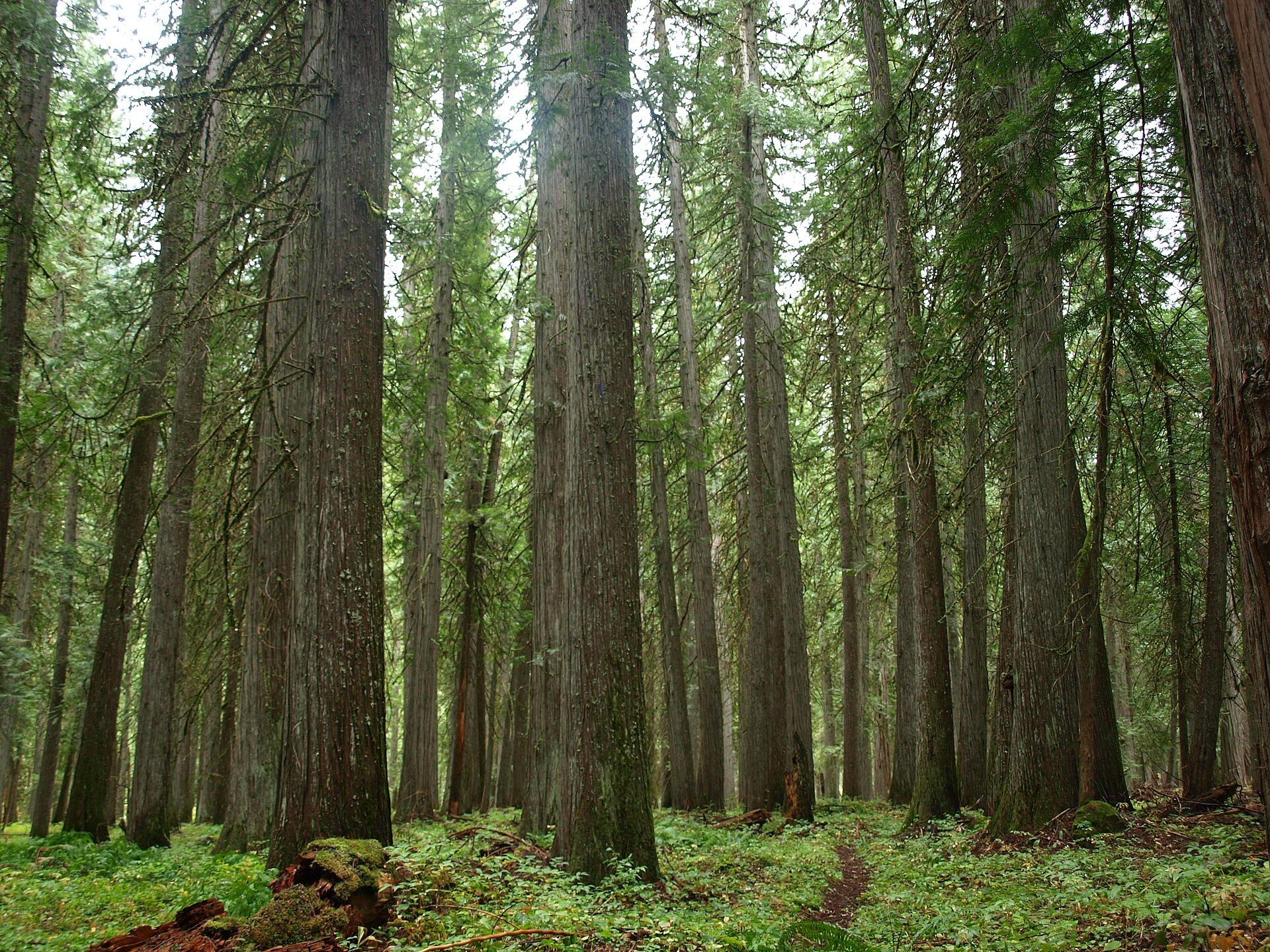
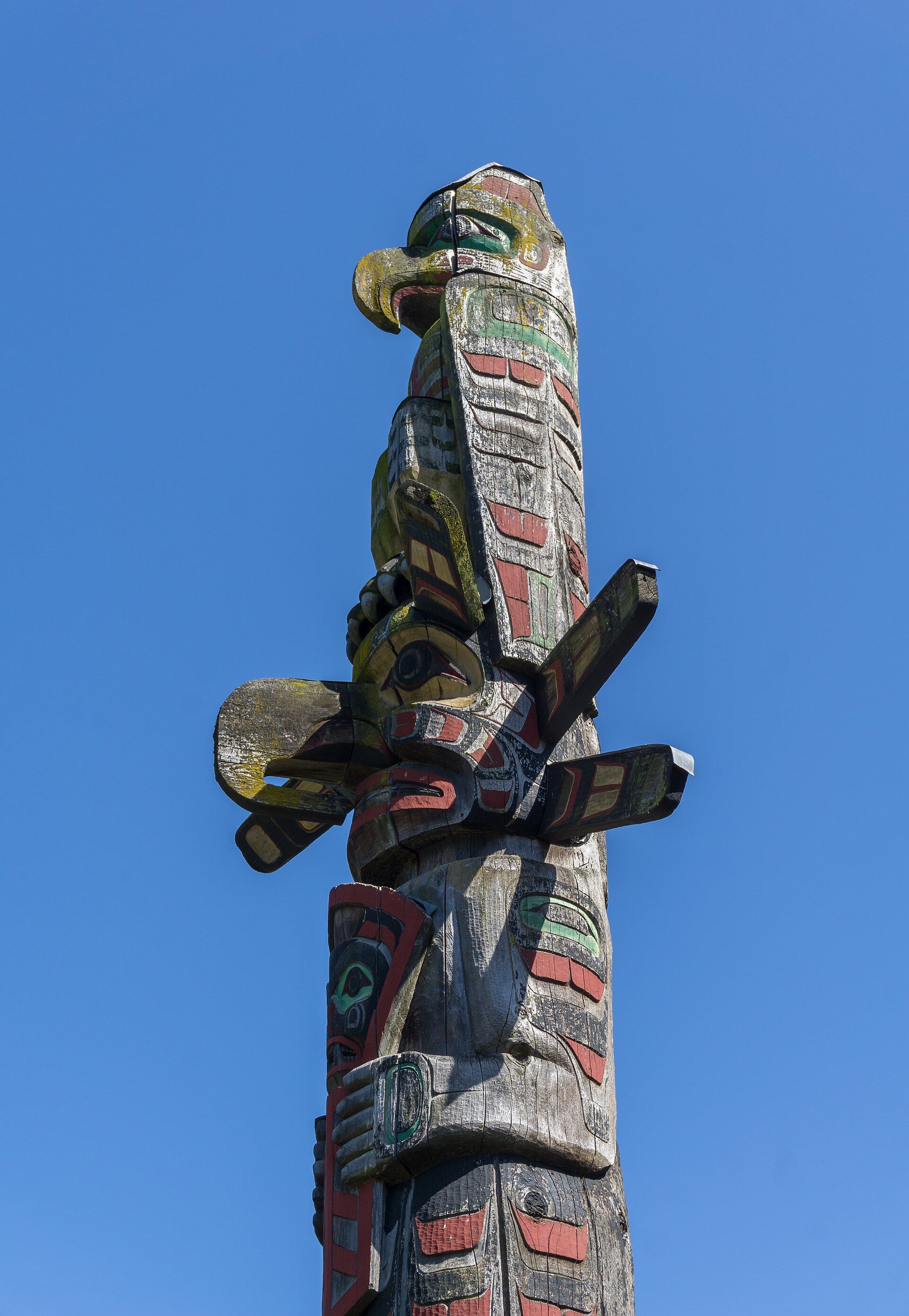
Western red cedarSoftwood
Thuja plicata
- 350 lbf hard
- 370 kg/m³
- Outdoors: good
- $
Light and durable. Shingles, siding and fences.
- Durable to very durable outdoors
- Very light
- Dents and scratches very easily
- Iron nails and screws stain it
Data · Photo: Mike Trask, CC BY-SA 4.0
Data · Photo: Answer.to.the.rock, CC BY-SA 4.0
Data · Photo: Michal Klajban, CC BY-SA 4.0
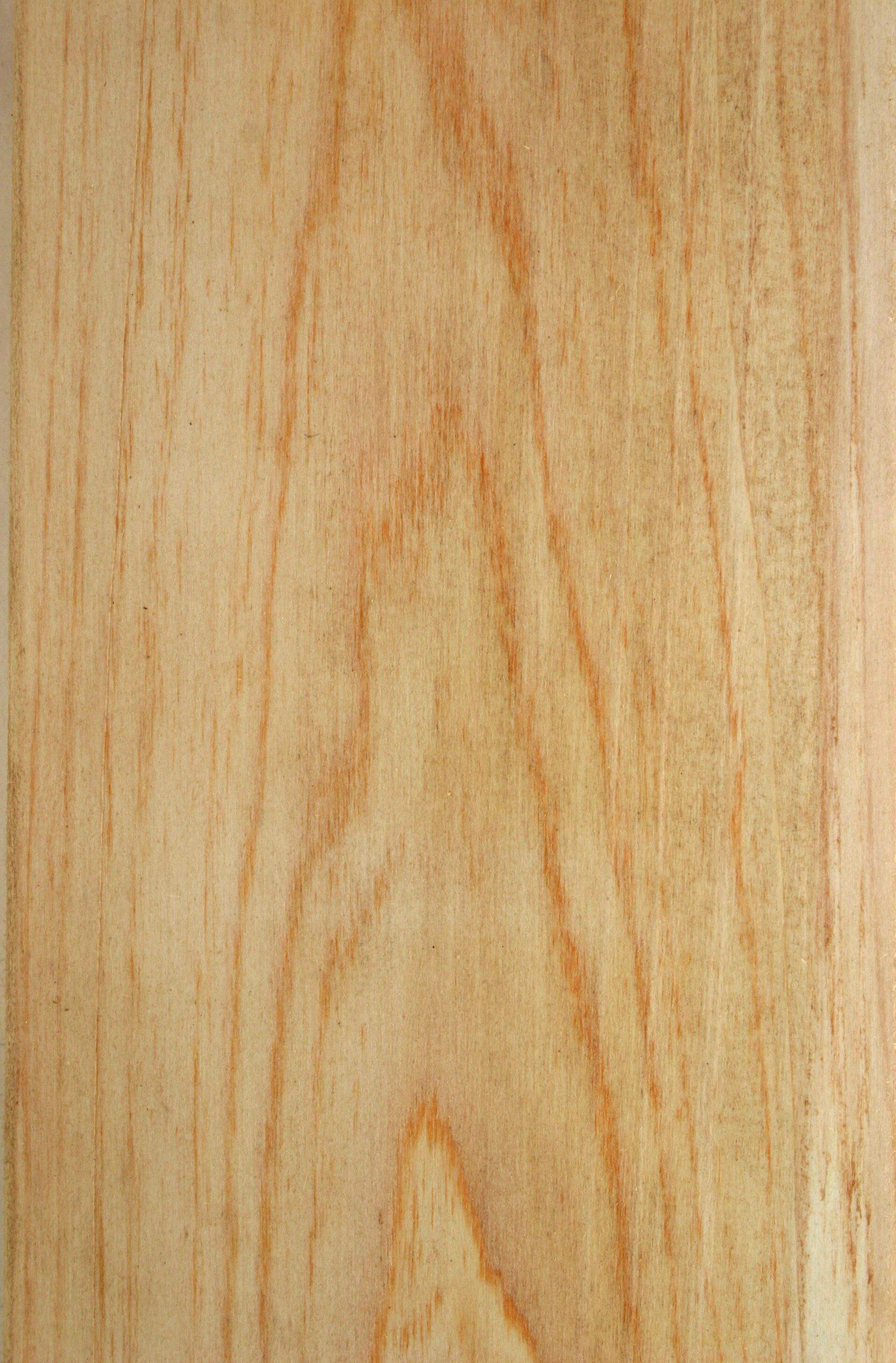
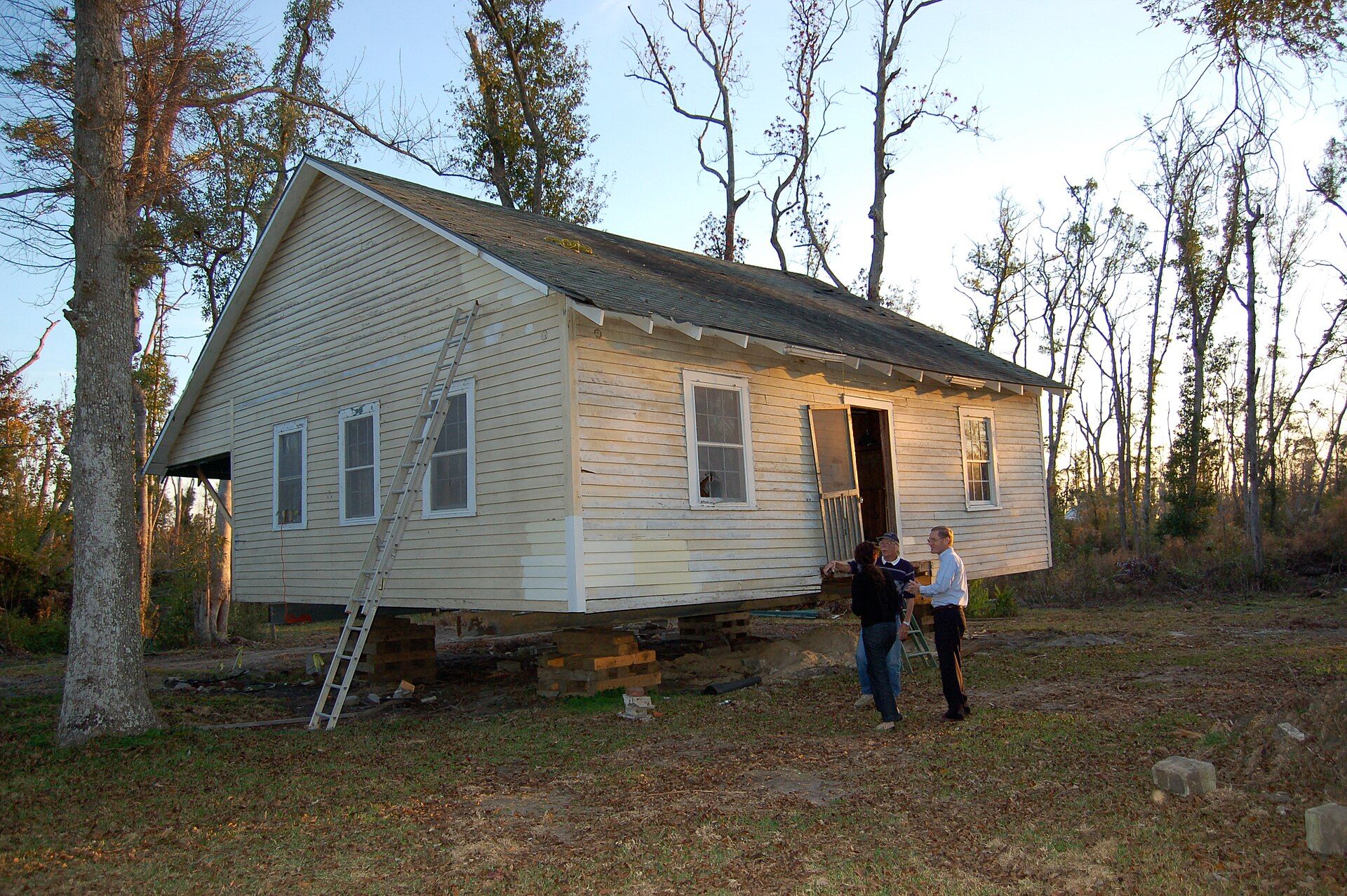
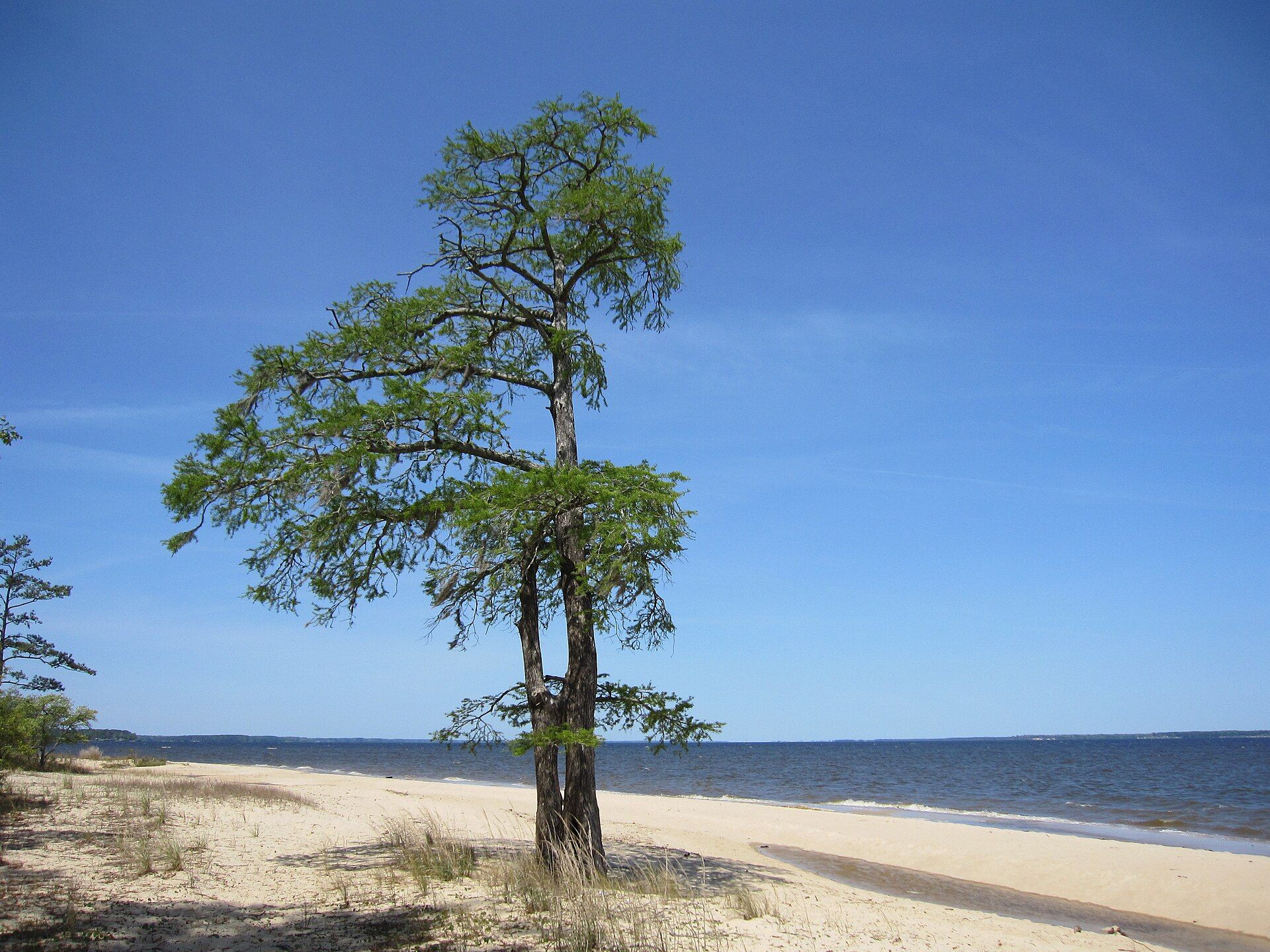
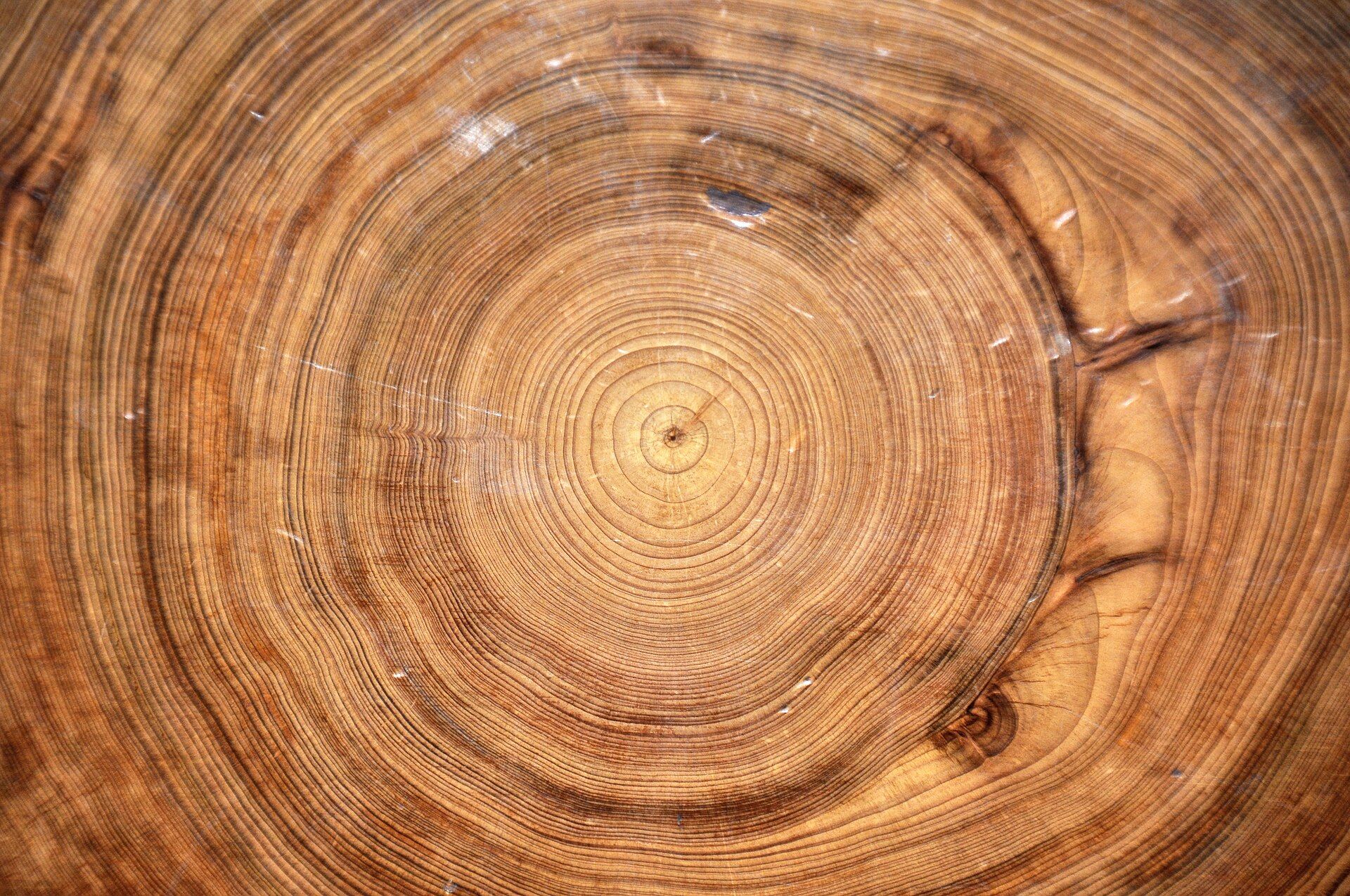
Bald cypressSoftwood
Taxodium distichum
- 510 lbf hard
- 515 kg/m³
- Outdoors: fair
- $$
From the US South. Docks, siding, trim and outdoor furniture.
- Old growth is durable to very durable
- Holds paint well
- Young growth only moderately durable
- Sinker and pecky cypress are pricey
Data · Photo: Androstachys, Public domain
Data · Photo: Chris M Morris, CC BY 2.0
Data · Photo: James St. John, CC BY 2.0
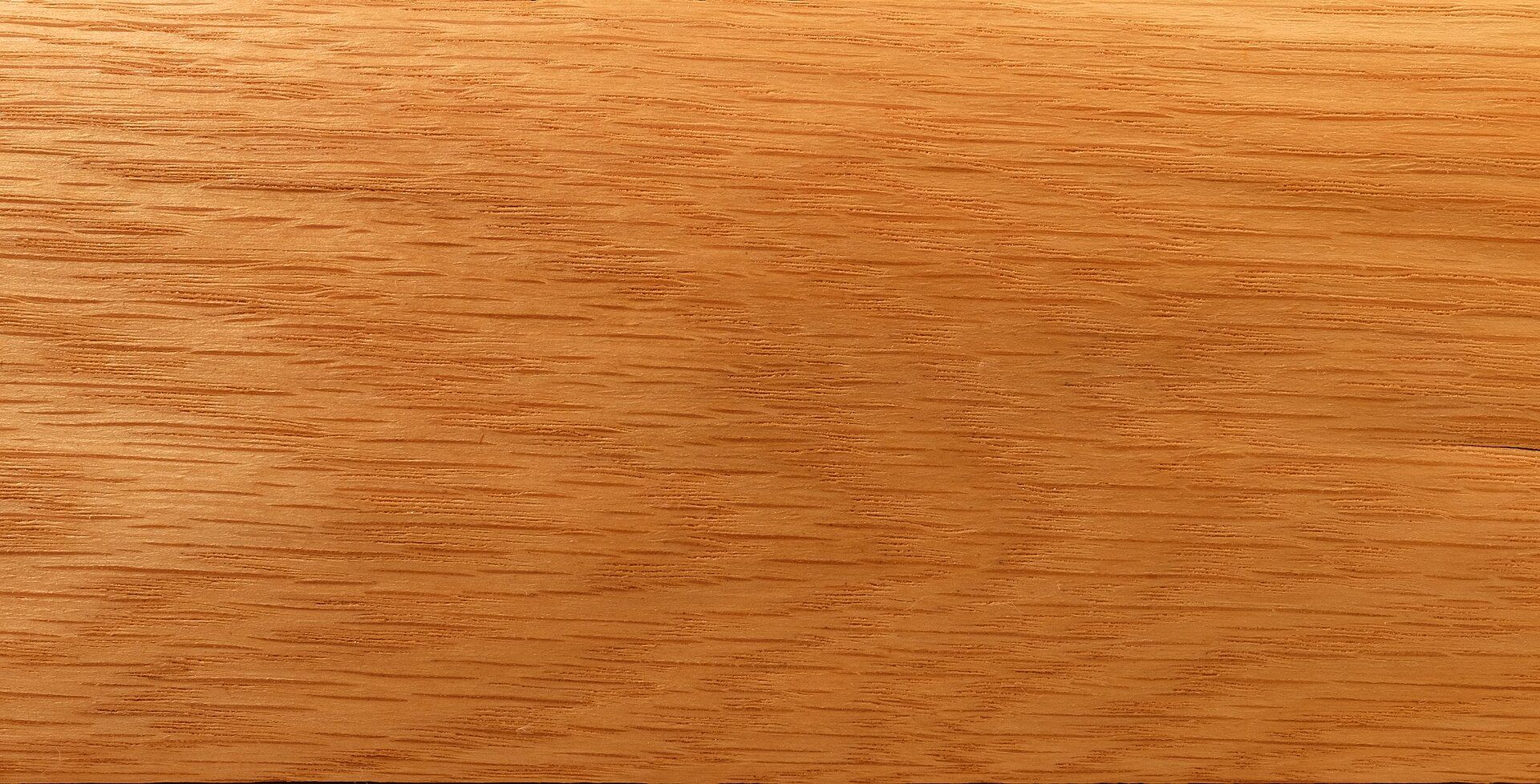
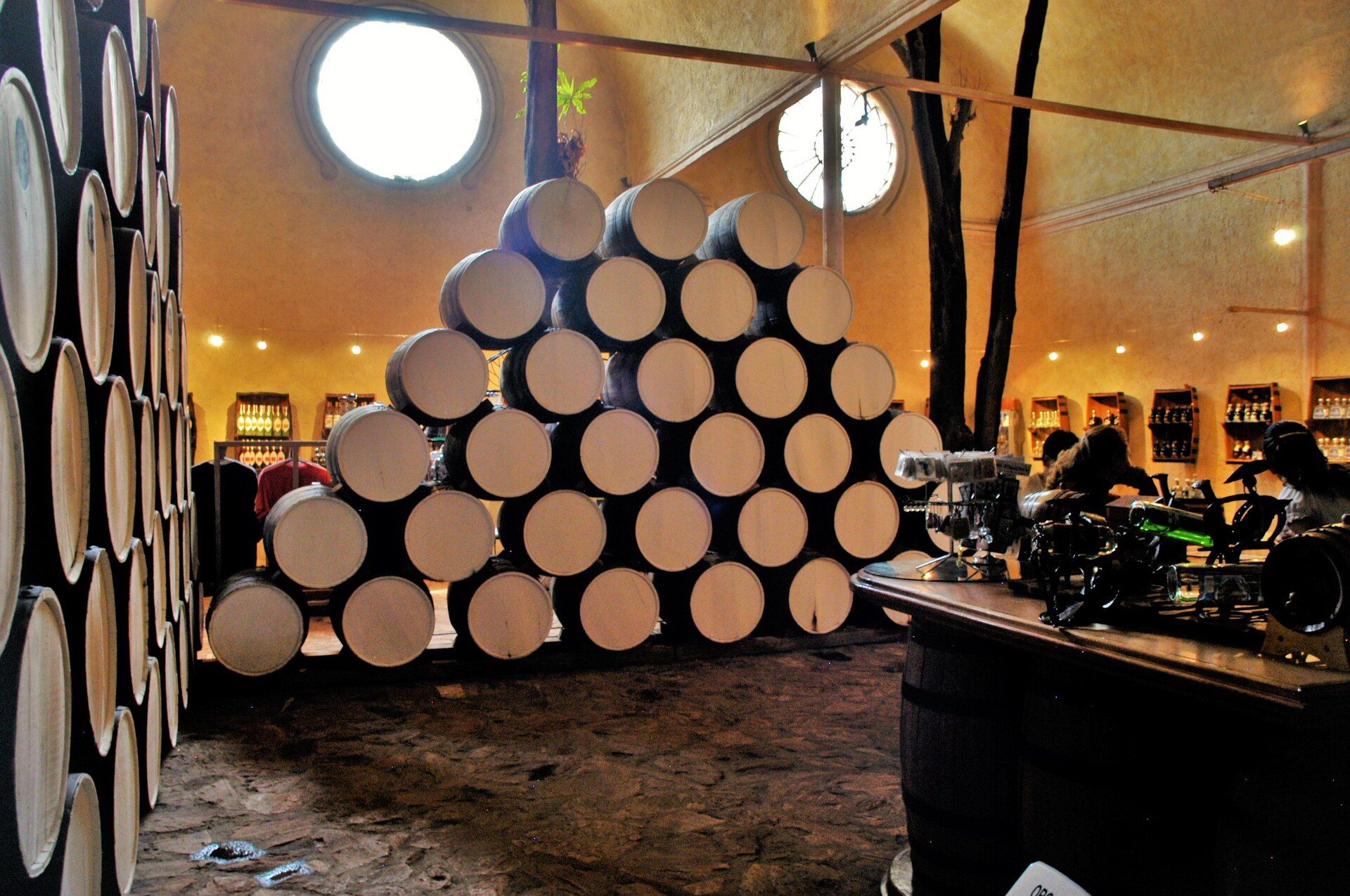
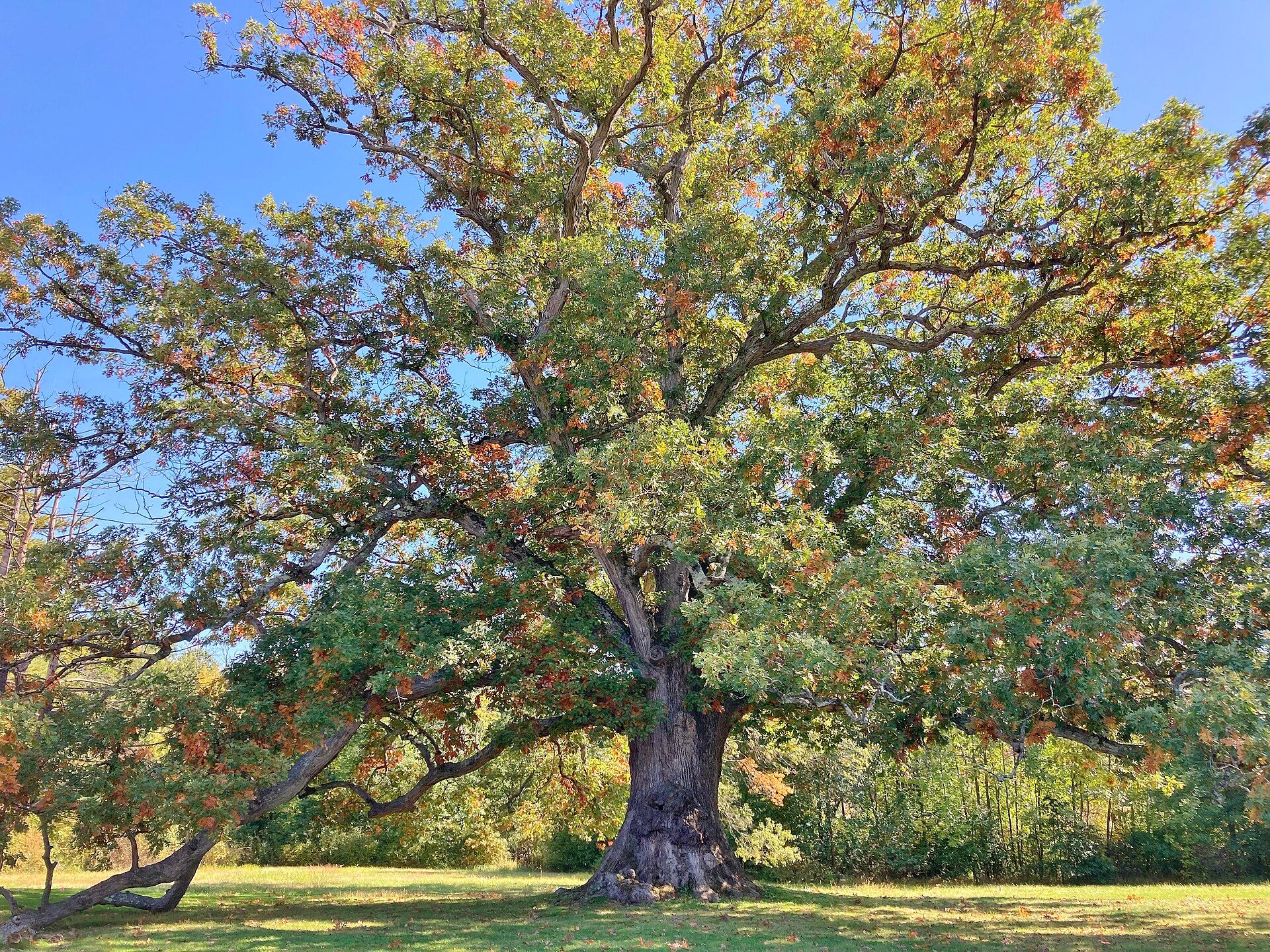
White oakHardwood
Quercus alba
- 1,350 lbf hard
- 755 kg/m³
- Outdoors: good
- $$
Furniture, floors, boats and barrels, and it lasts outdoors too.
- Very durable heartwood
- Machines, bends and finishes well
- Flat-sawn boards move a lot
- Turns black with iron when wet
Data · Photo: Philipp Zinger, CC BY-SA 4.0
Data · Photo: ORGP, CC BY-SA 4.0
Data · Photo: Marty Aligata, CC BY-SA 4.0
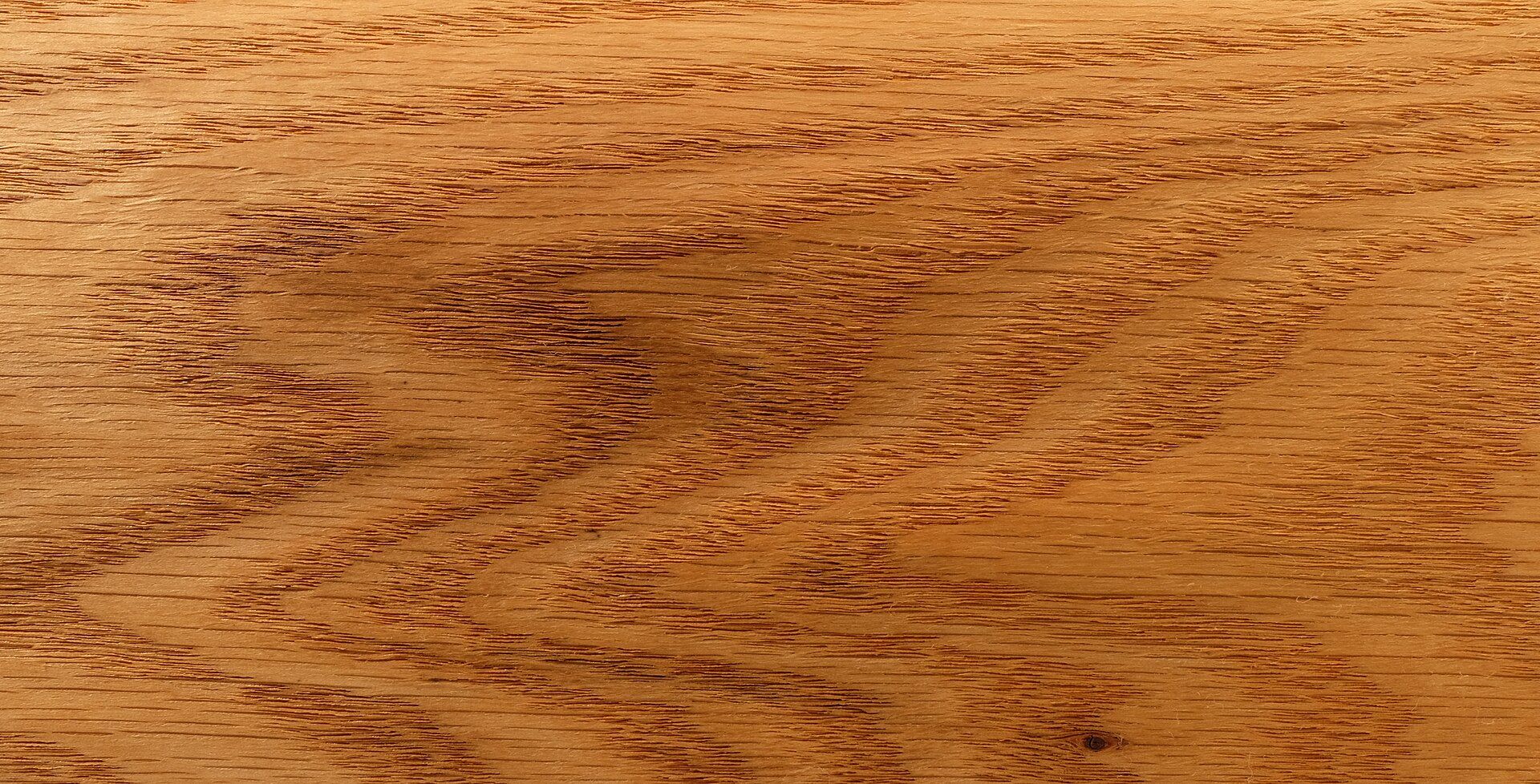
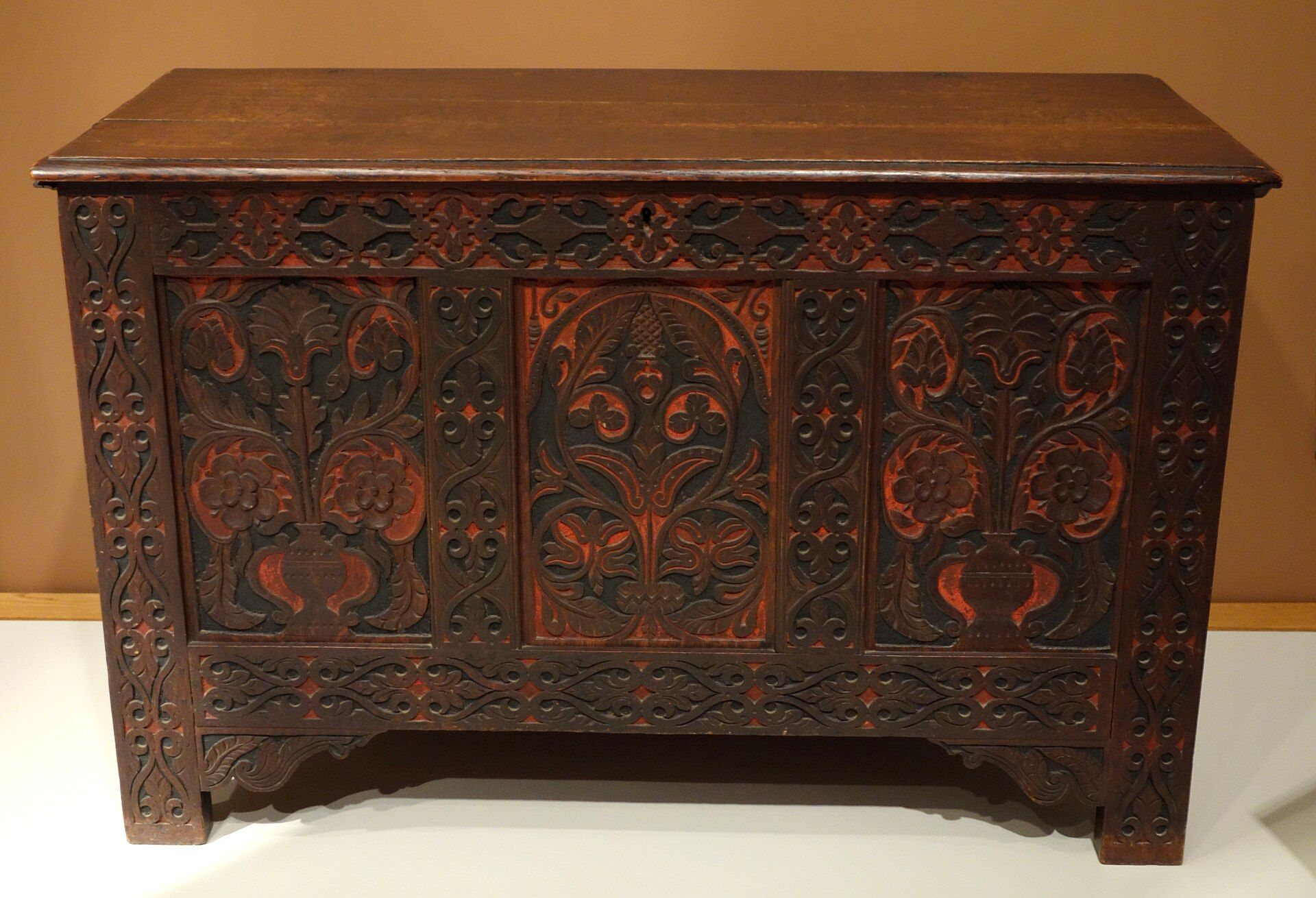
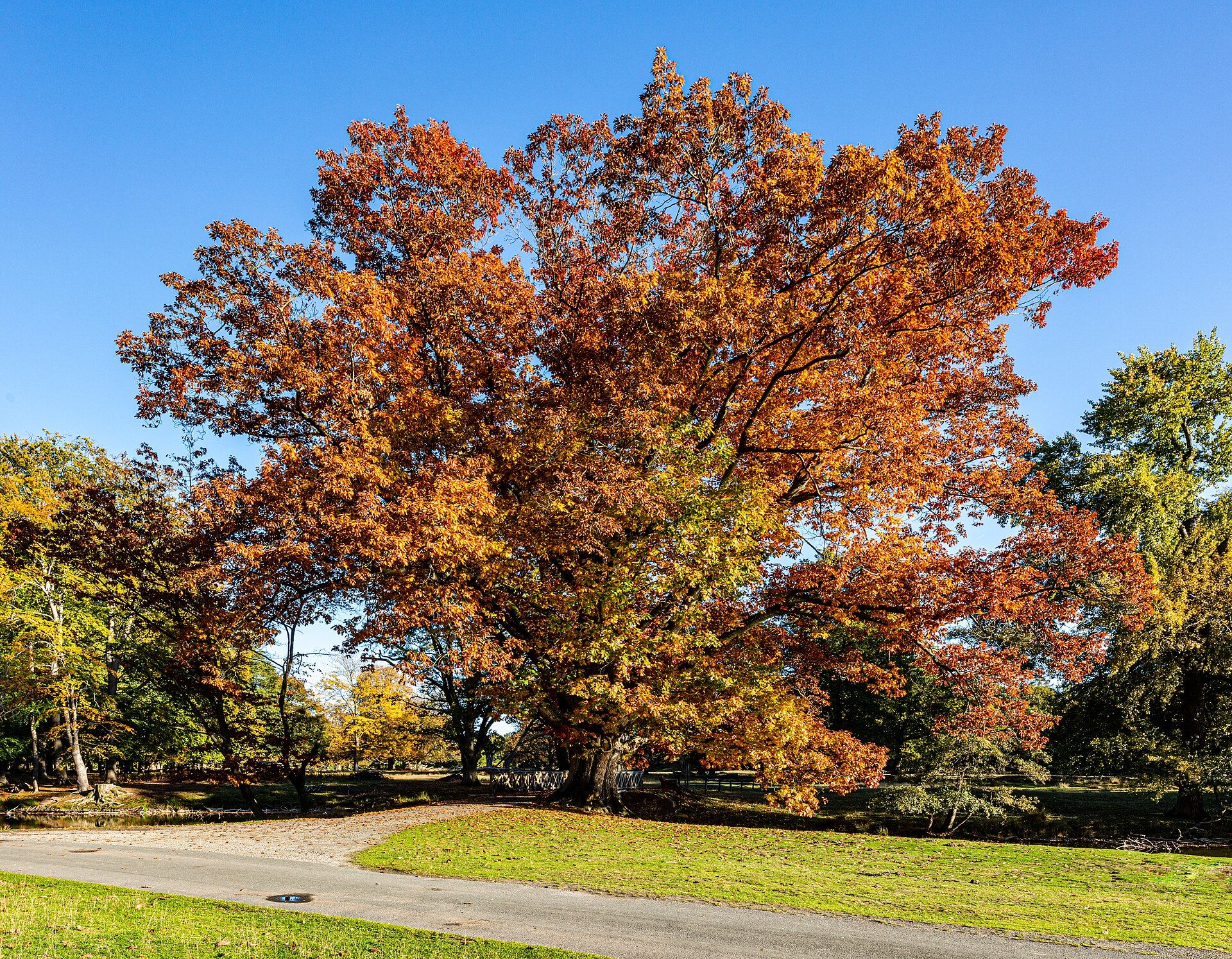
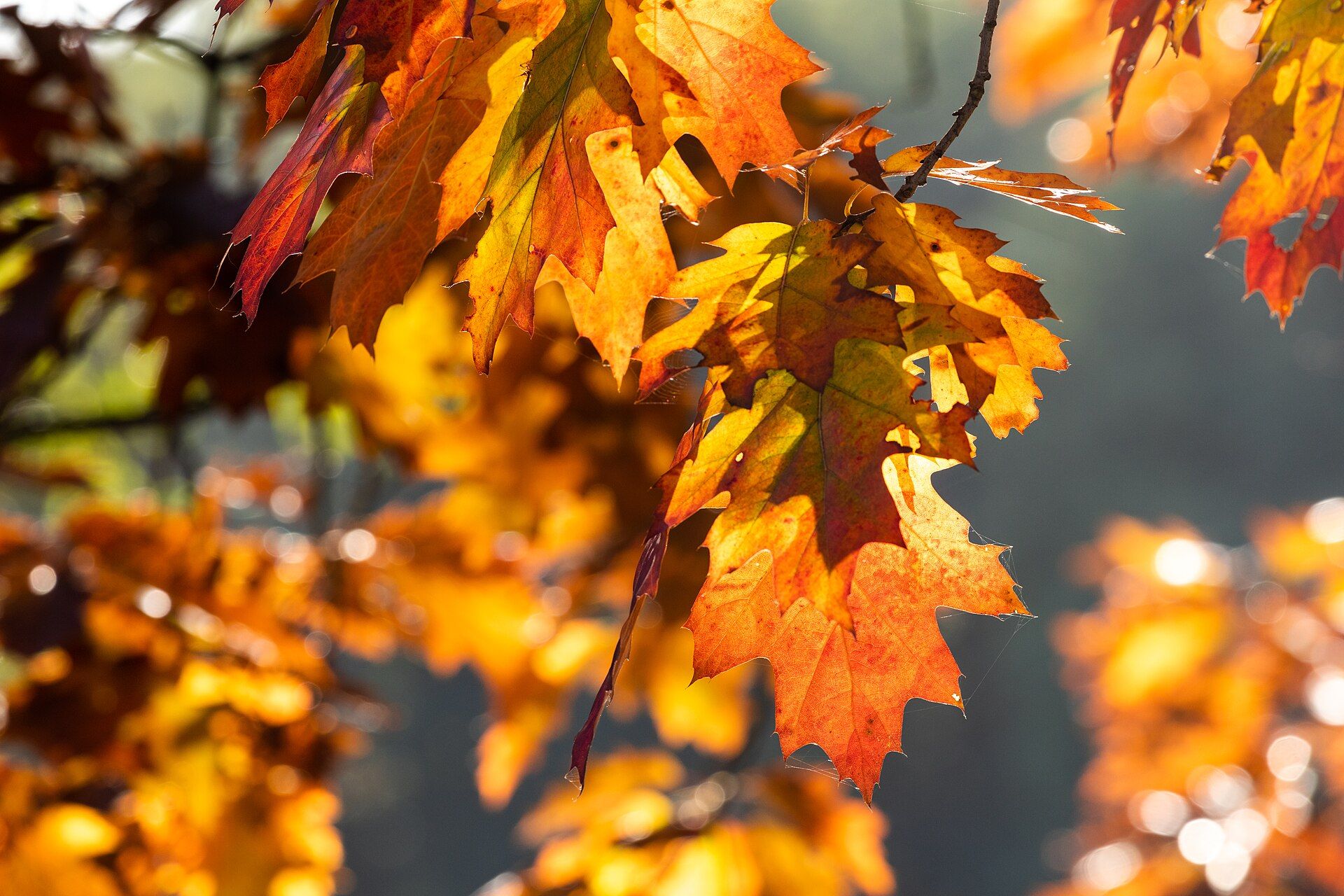
Red oakHardwood
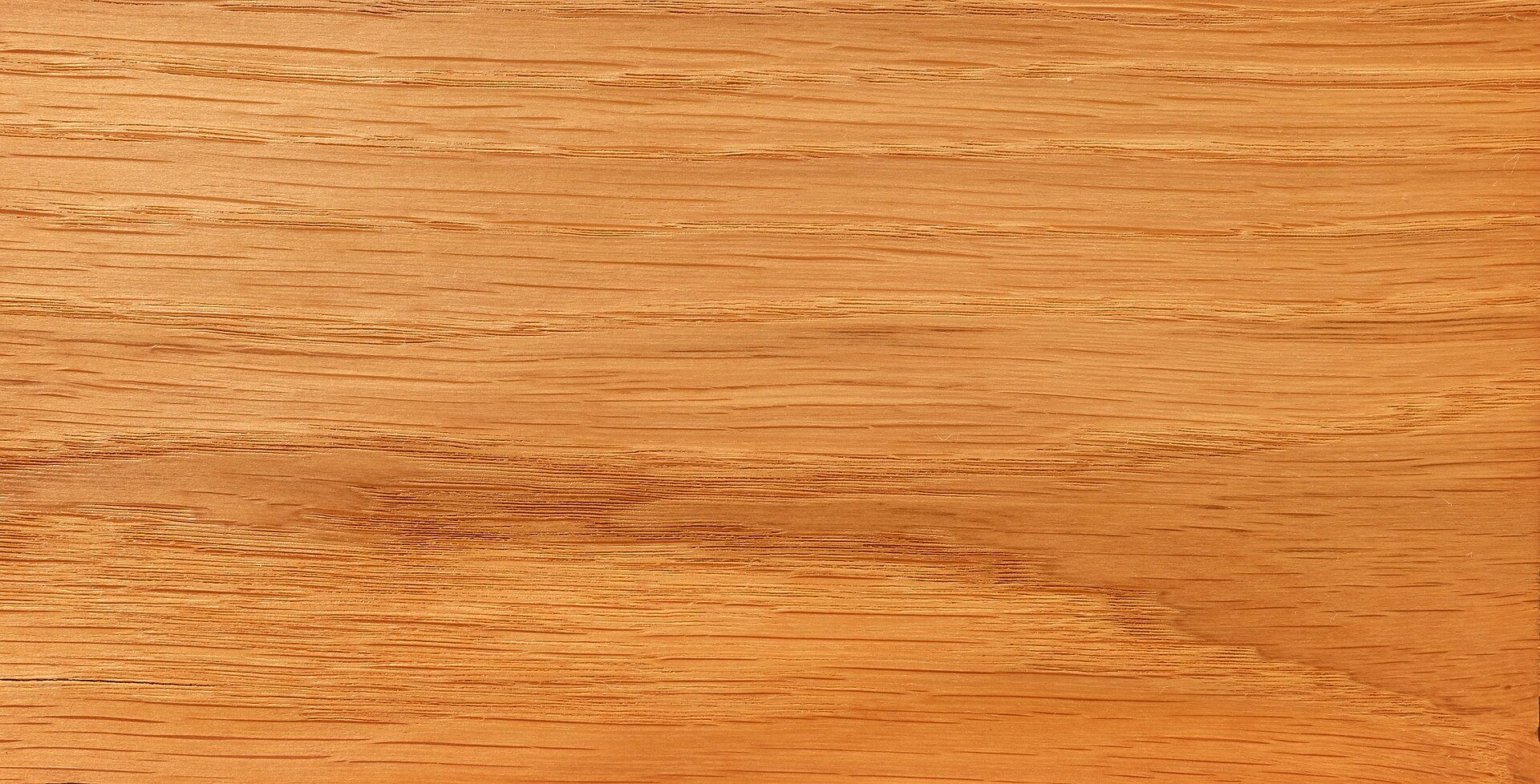
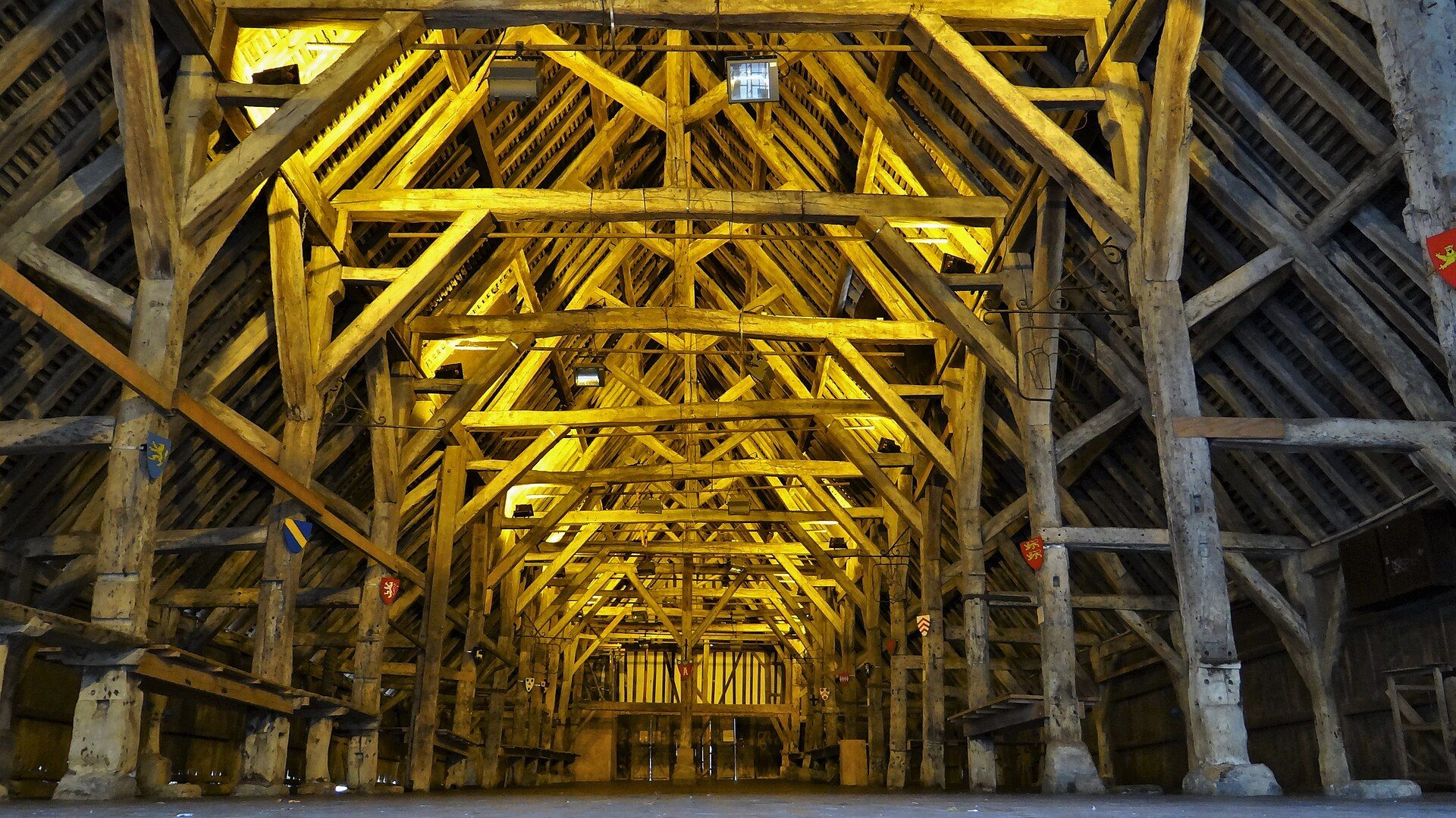
Quercus rubra
- 1,220 lbf hard
- 700 kg/m³
- Outdoors: poor
- $$
Oak for cabinets, floors and trim. Cheaper than white oak, but keep it inside.
- Machines very well
- A bit cheaper than white oak
- Non-durable to perishable outdoors
- Open pores soak up water
Data · Photo: Philipp Zinger, CC BY-SA 4.0
Data · Photo: Dietmar Rabich, CC BY-SA 4.0
Data · Photo: Dietmar Rabich, CC BY-SA 4.0
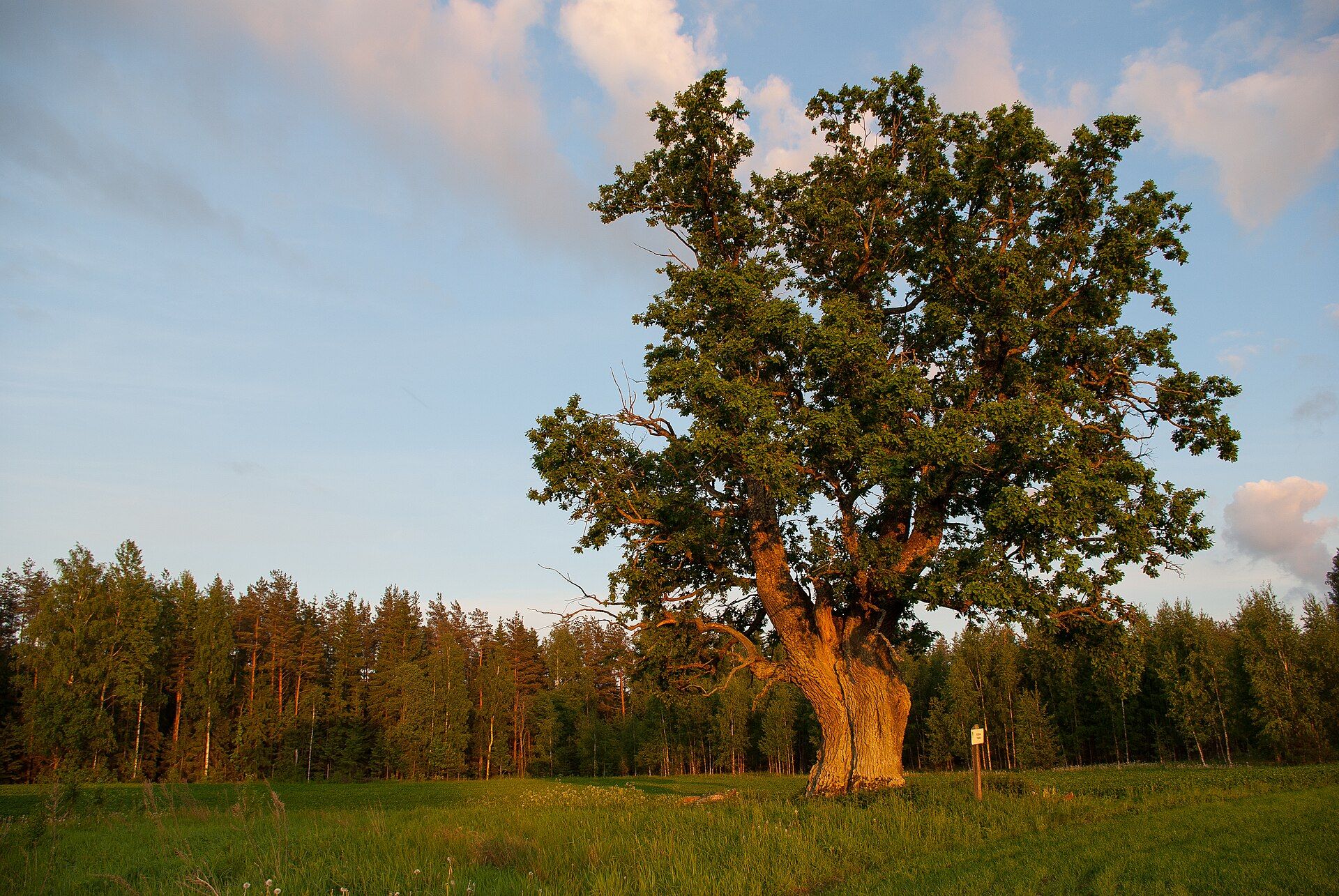
European oakHardwood
Quercus robur
- 1,120 lbf hard
- 675 kg/m³
- Outdoors: good
- $$
Europe's oak. Beams, floors, furniture, boats and barrels.
- Very good decay resistance
- Steam-bends well
- Iron stains it
- Dust can sensitise you
Data · Photo: Philipp Zinger, CC BY-SA 4.0
Data · Photo: Ibex73, CC BY-SA 4.0
Data · Photo: Martin Mark, CC BY-SA 3.0
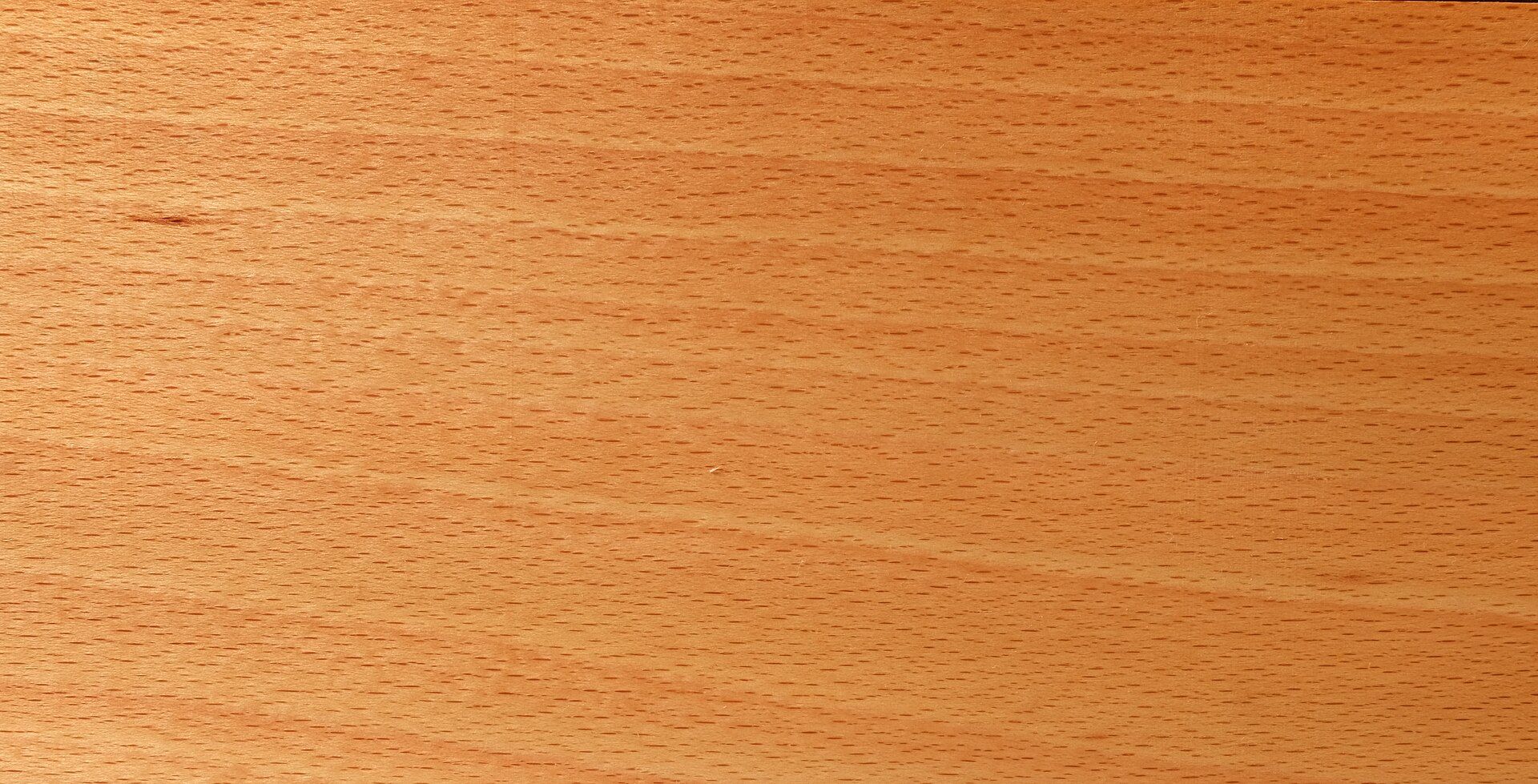
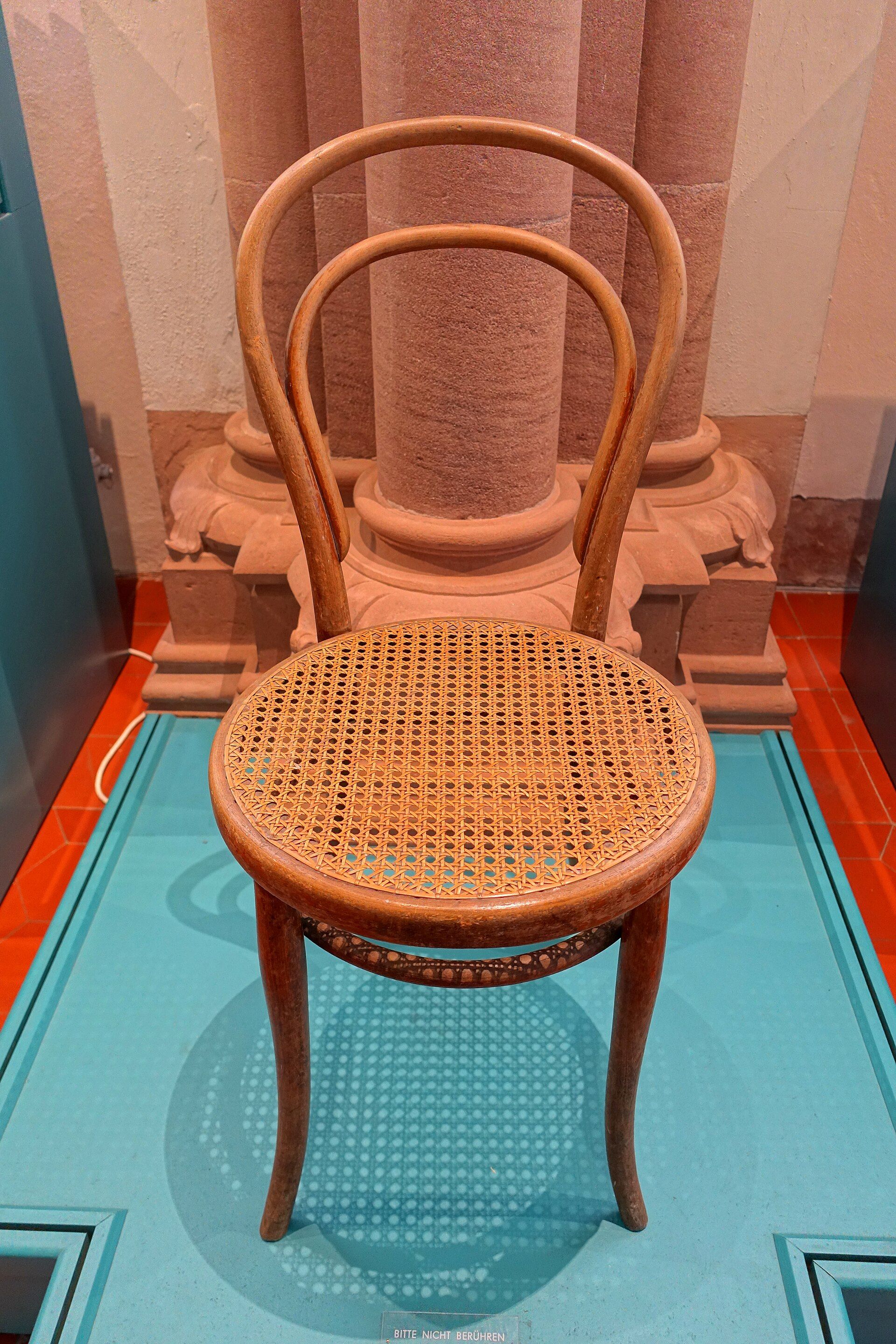
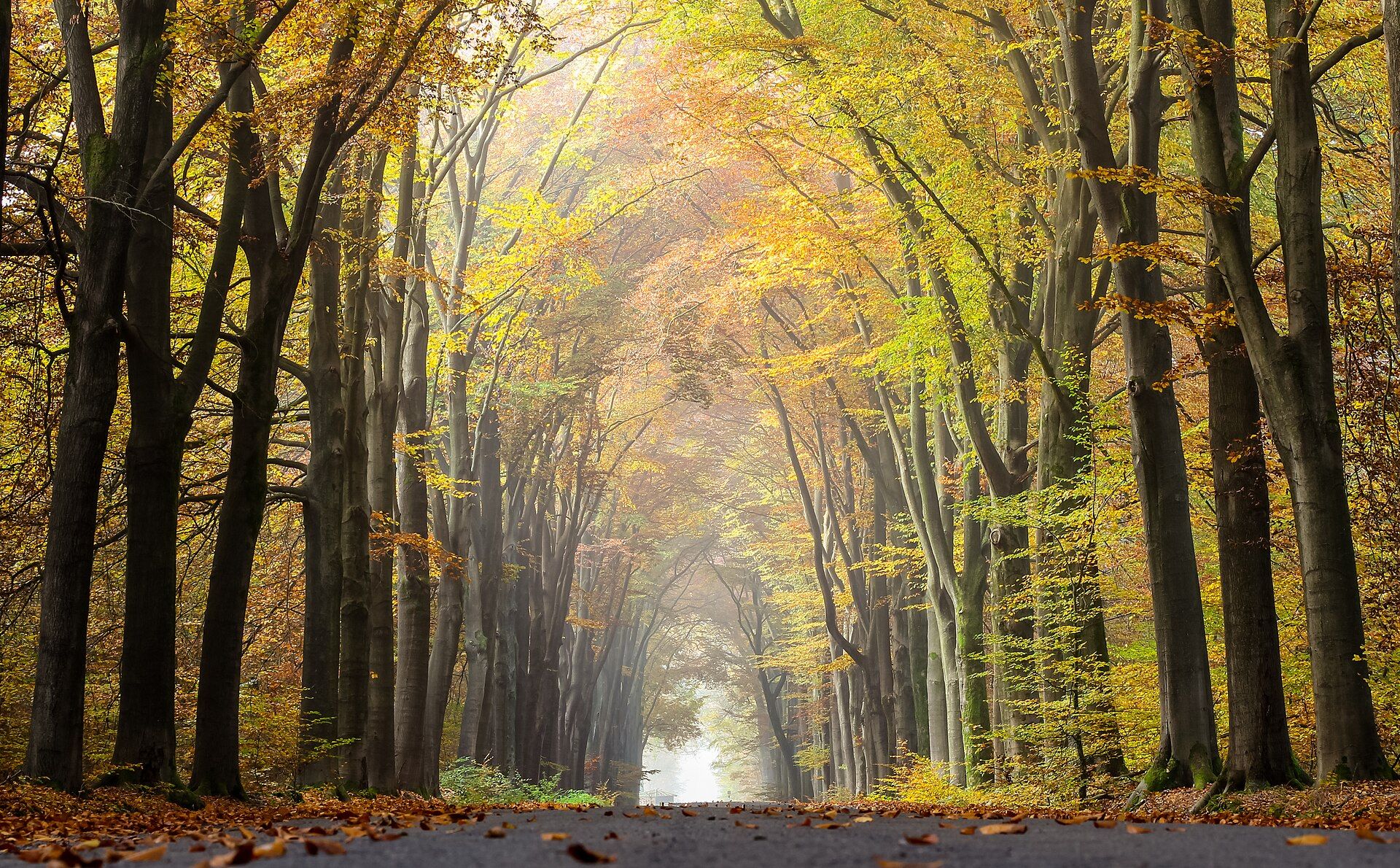
European beechHardwood
Fagus sylvatica
- 1,450 lbf hard
- 710 kg/m³
- Outdoors: very poor
- $
Hard, cheap and plain. Chairs, floors, plywood and turned parts.
- Hard and wear-resistant for the price
- Steam-bends superbly
- Moves a lot with the seasons
- Not durable outdoors
Data · Photo: Philipp Zinger, CC BY-SA 4.0
Data · Photo: Dietmar Rabich, CC BY-SA 4.0
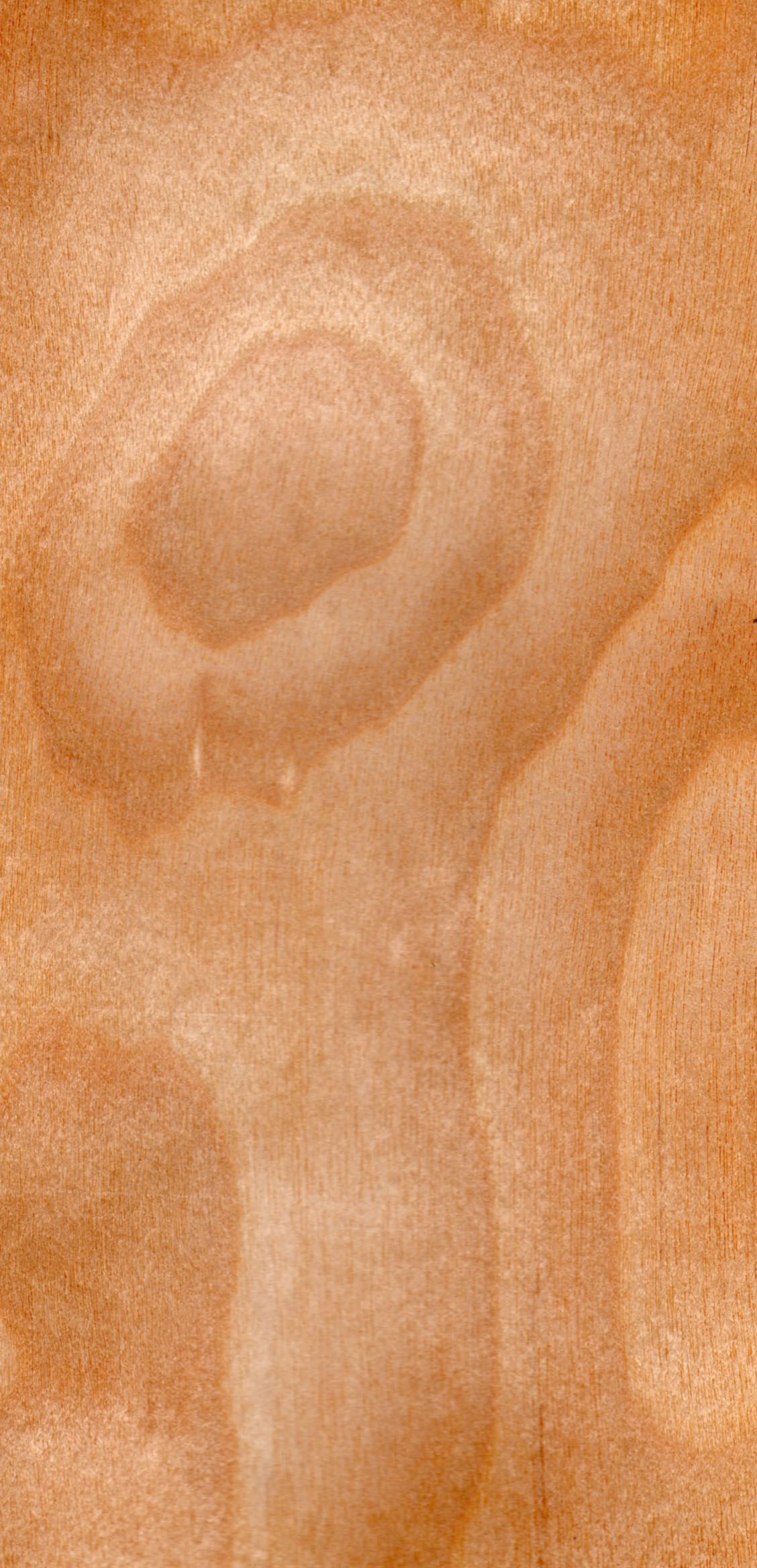
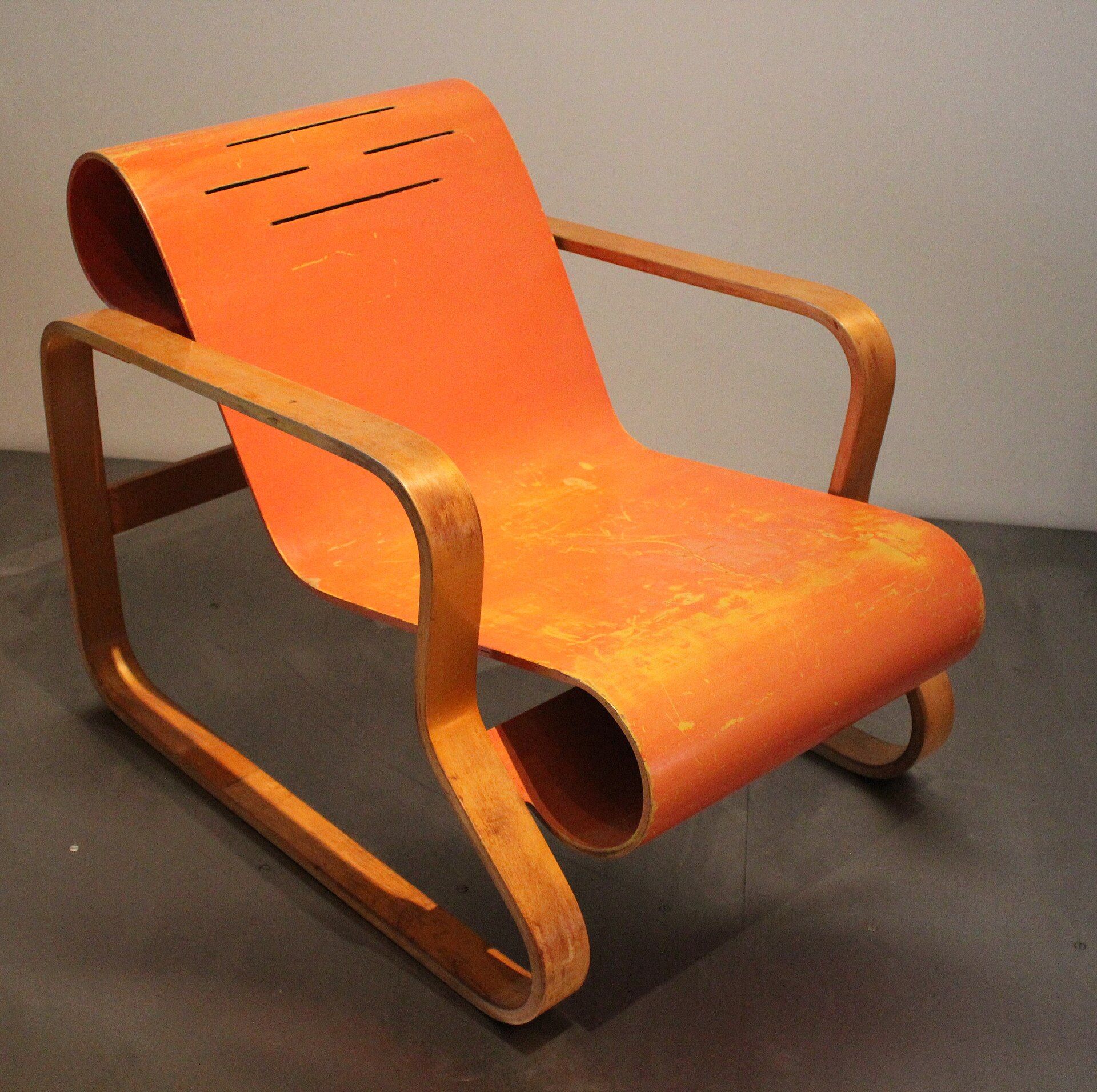
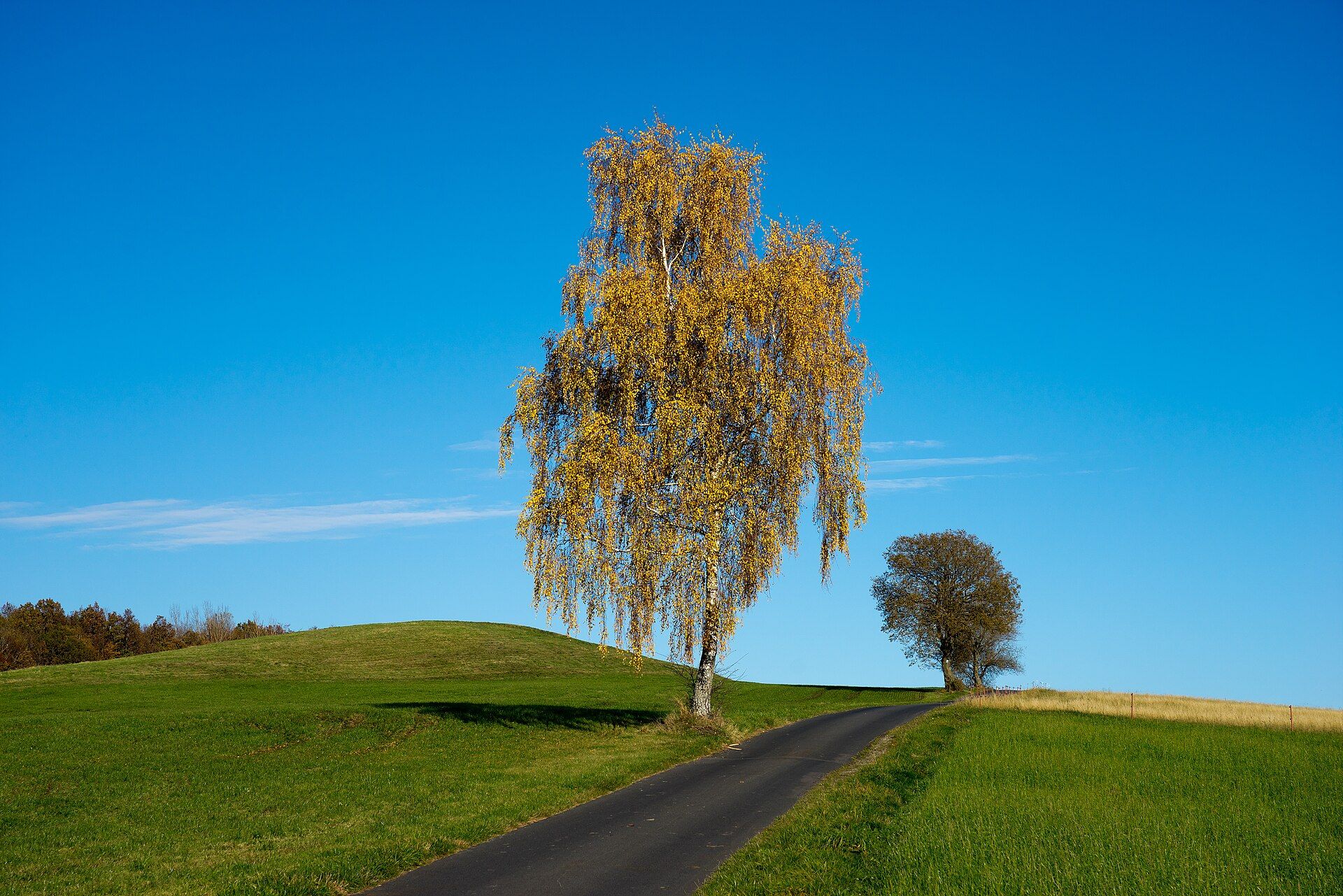
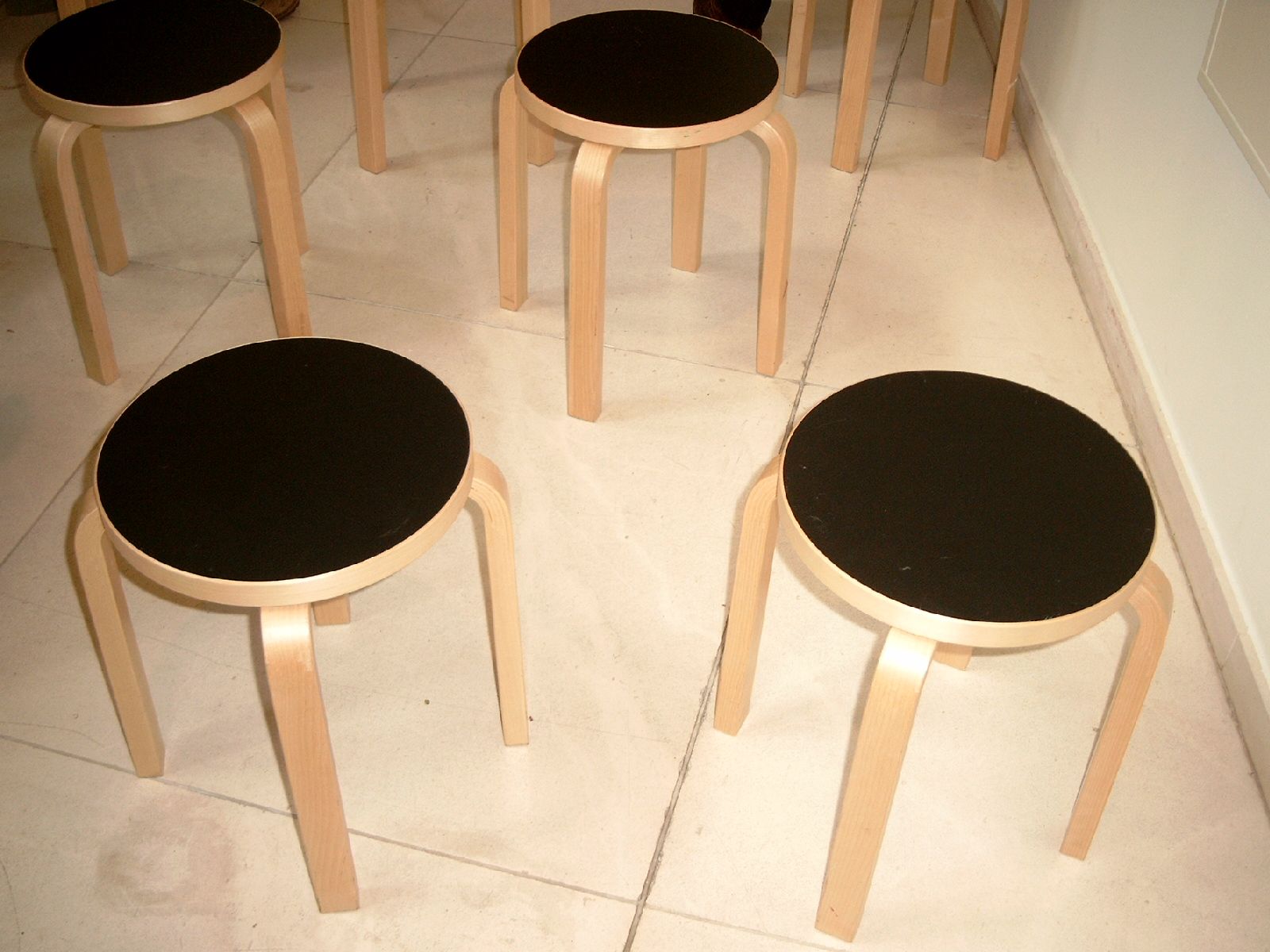
BirchHardwood
Betula pendula
- 1,210 lbf hard
- 640 kg/m³
- Outdoors: very poor
- $
One of the most used woods for plywood, and good for trim and turning.
- Rather economical
- Turns, glues and finishes well
- Wild grain can tear out
- Perishable outdoors
Data · Photo: Achim Raschka, CC BY-SA 3.0
Data · Photo: Jörg Braukmann, CC BY-SA 4.0
Data · Photo: Wasily at Dutch Wikipedia, Public domain
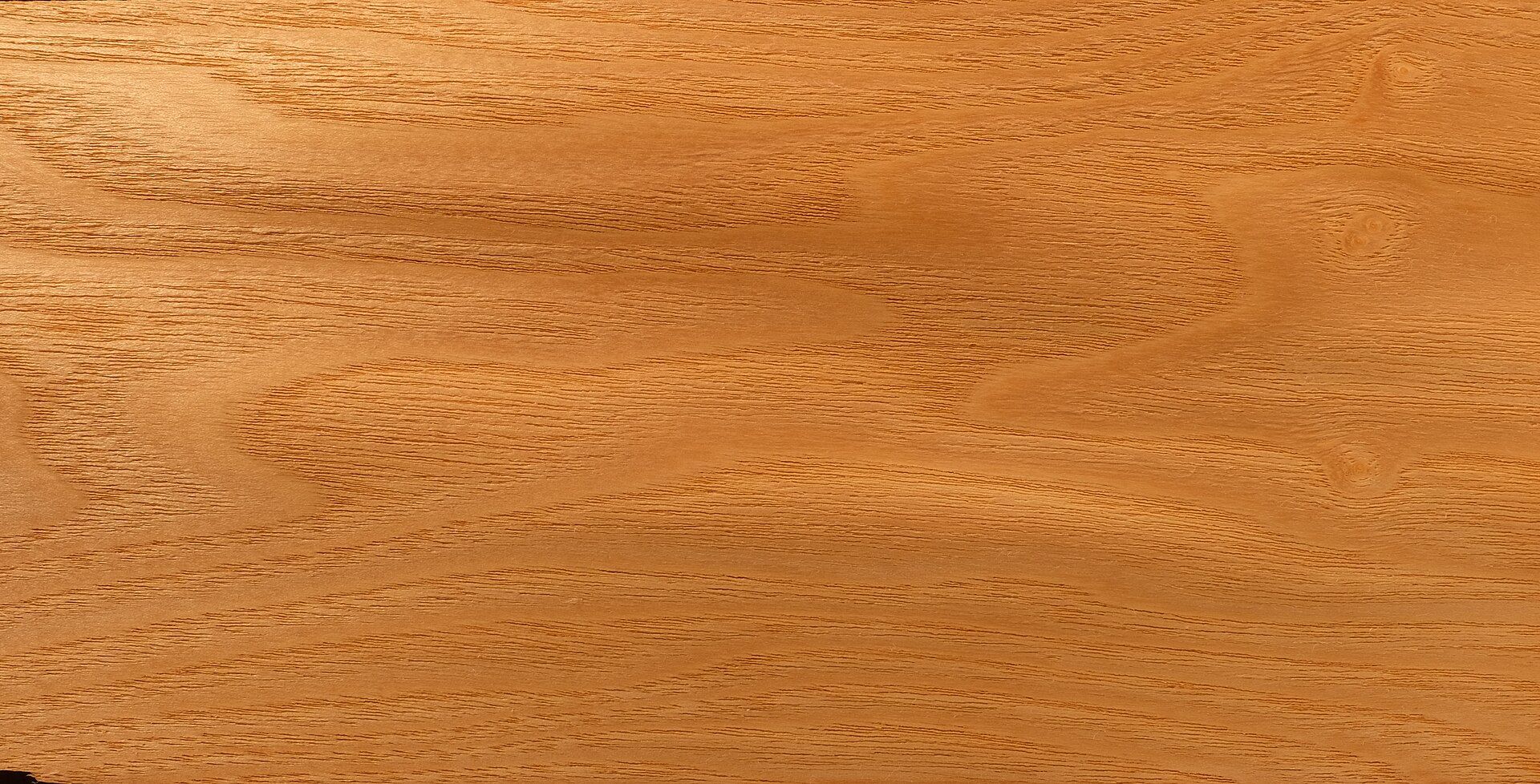
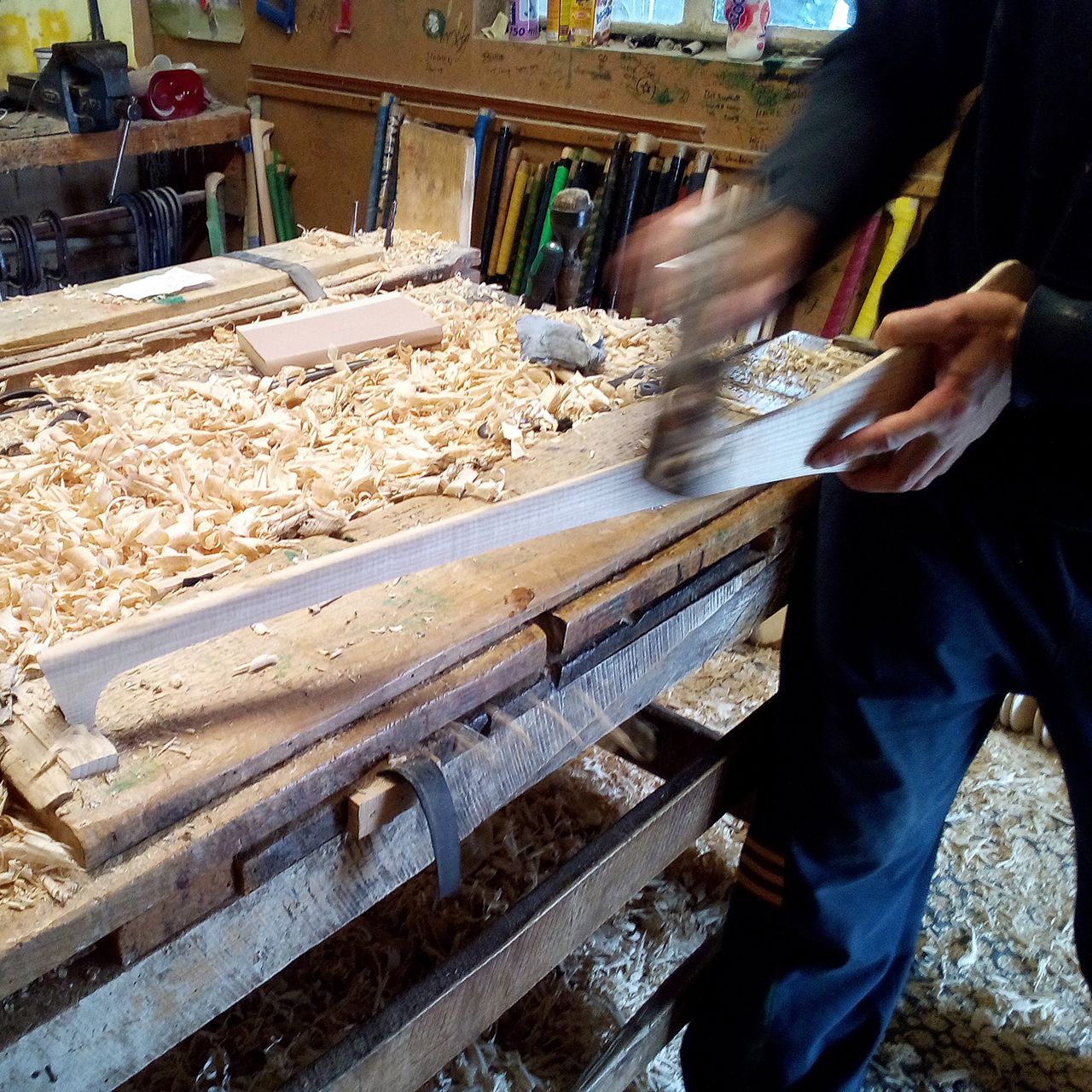
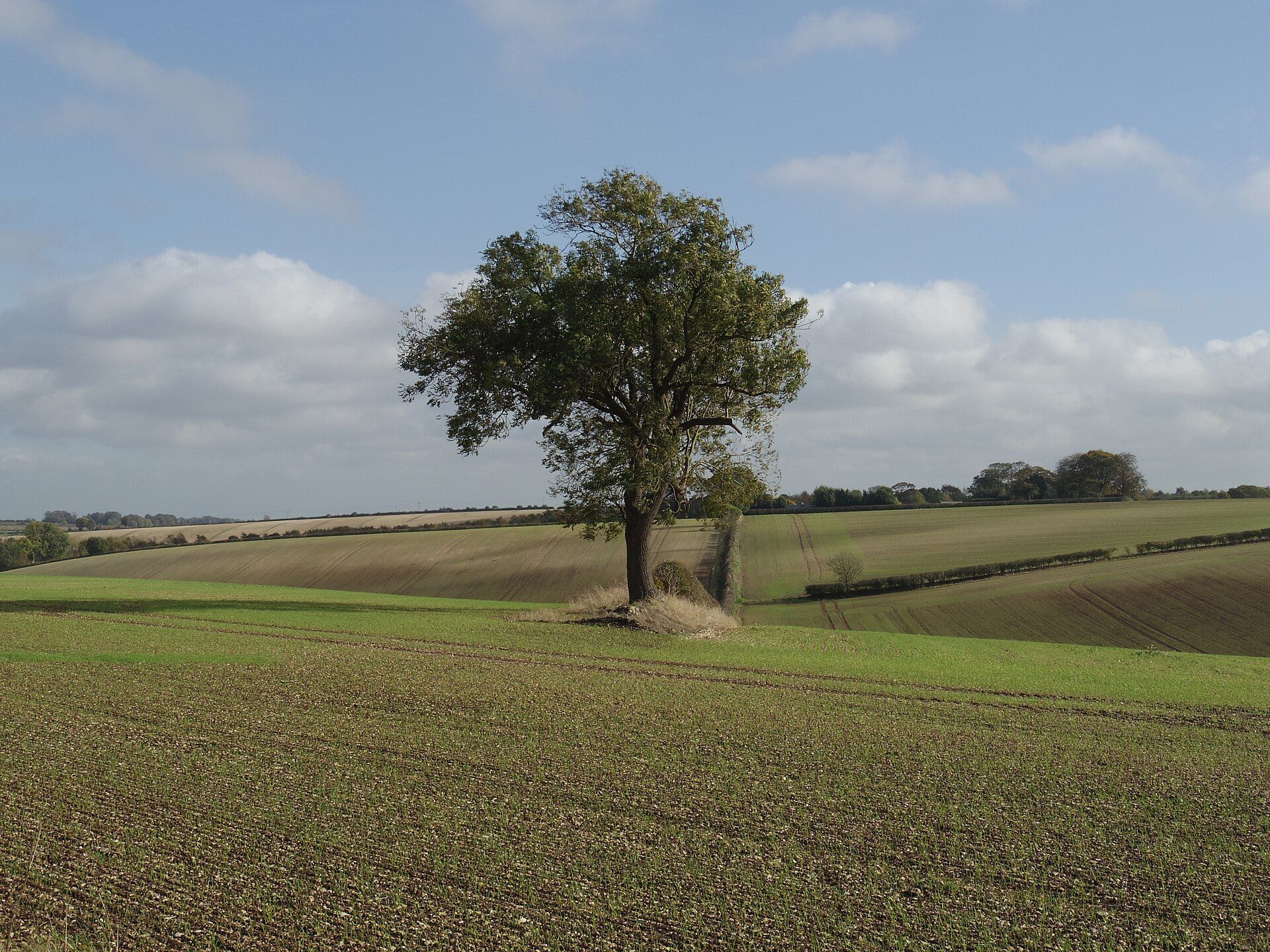
AshHardwood
Fraxinus excelsior
- 1,480 lbf hard
- 680 kg/m³
- Outdoors: very poor
- $
Tough and springy. Tool handles, floors and bent chair parts.
- Takes shocks well
- Steam-bends, glues and finishes well
- Perishable outdoors
- American white ash is critically endangered
Data · Photo: Philipp Zinger, CC BY-SA 3.0
Data · Photo: A.-K. D., CC BY-SA 4.0
Data · Photo: David Wright, CC BY 2.0
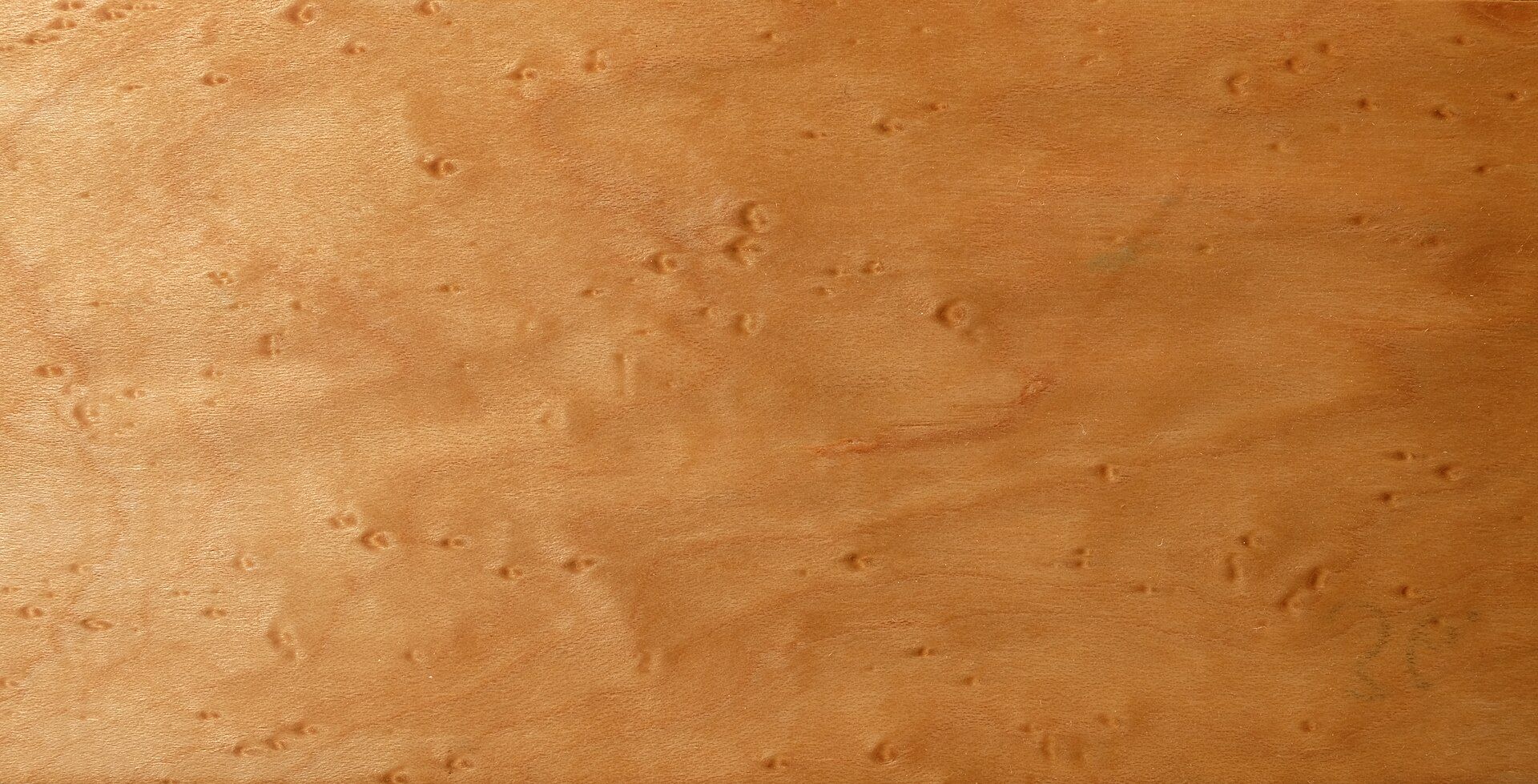
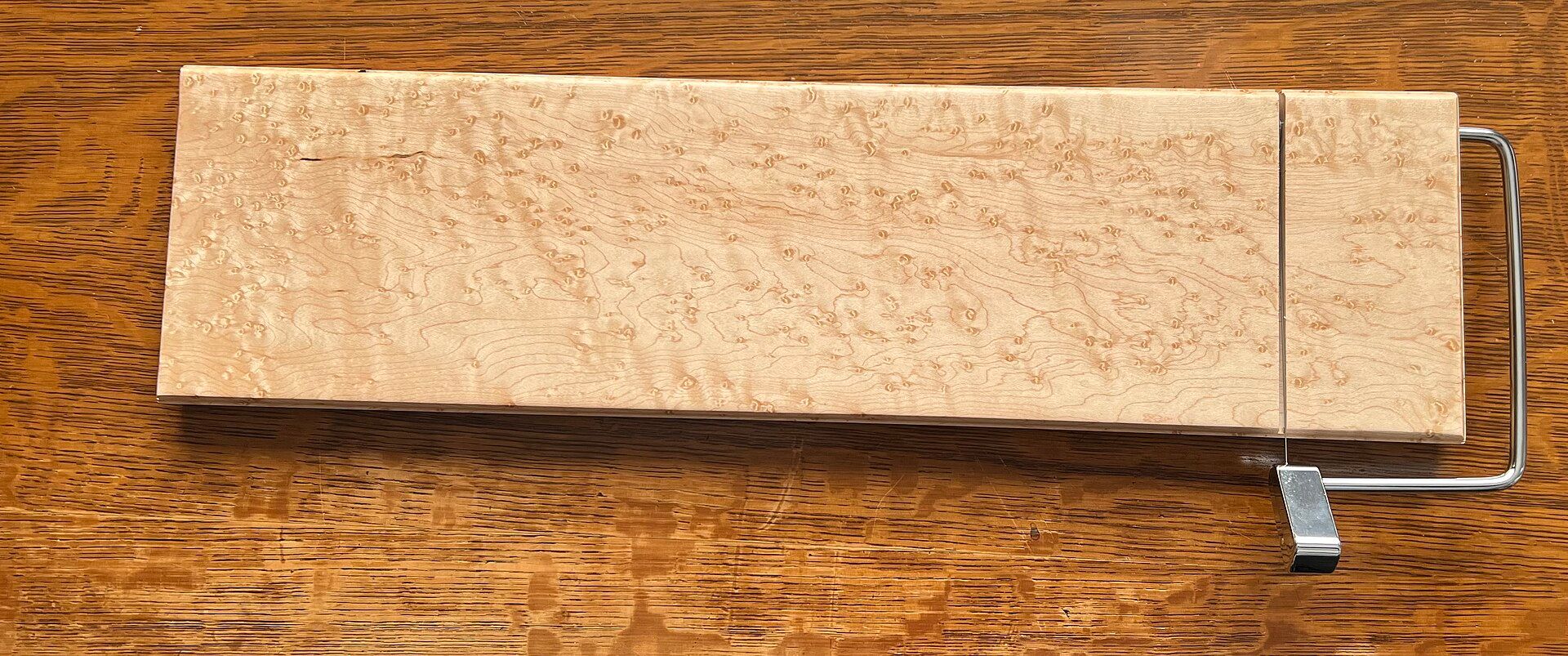
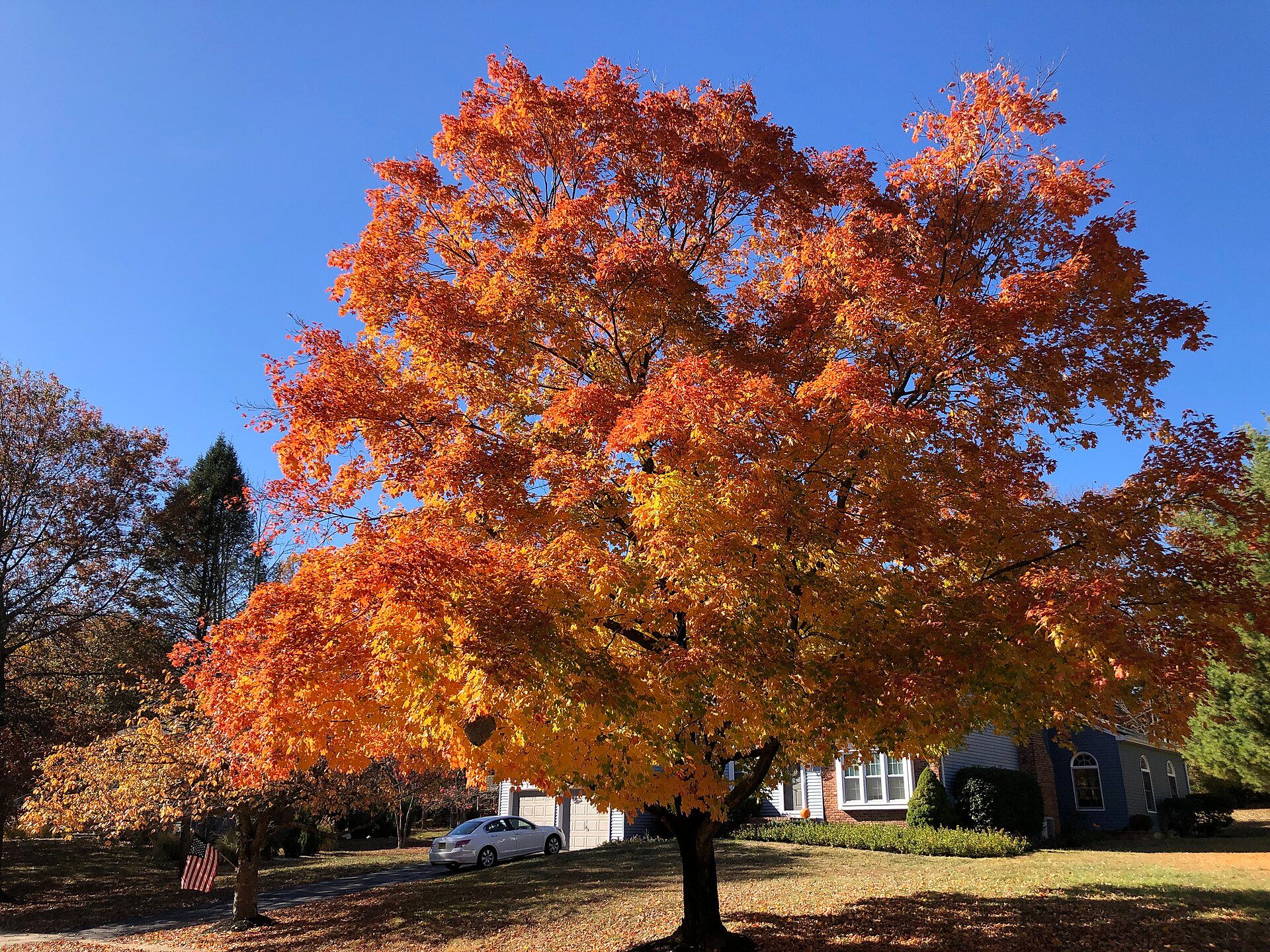
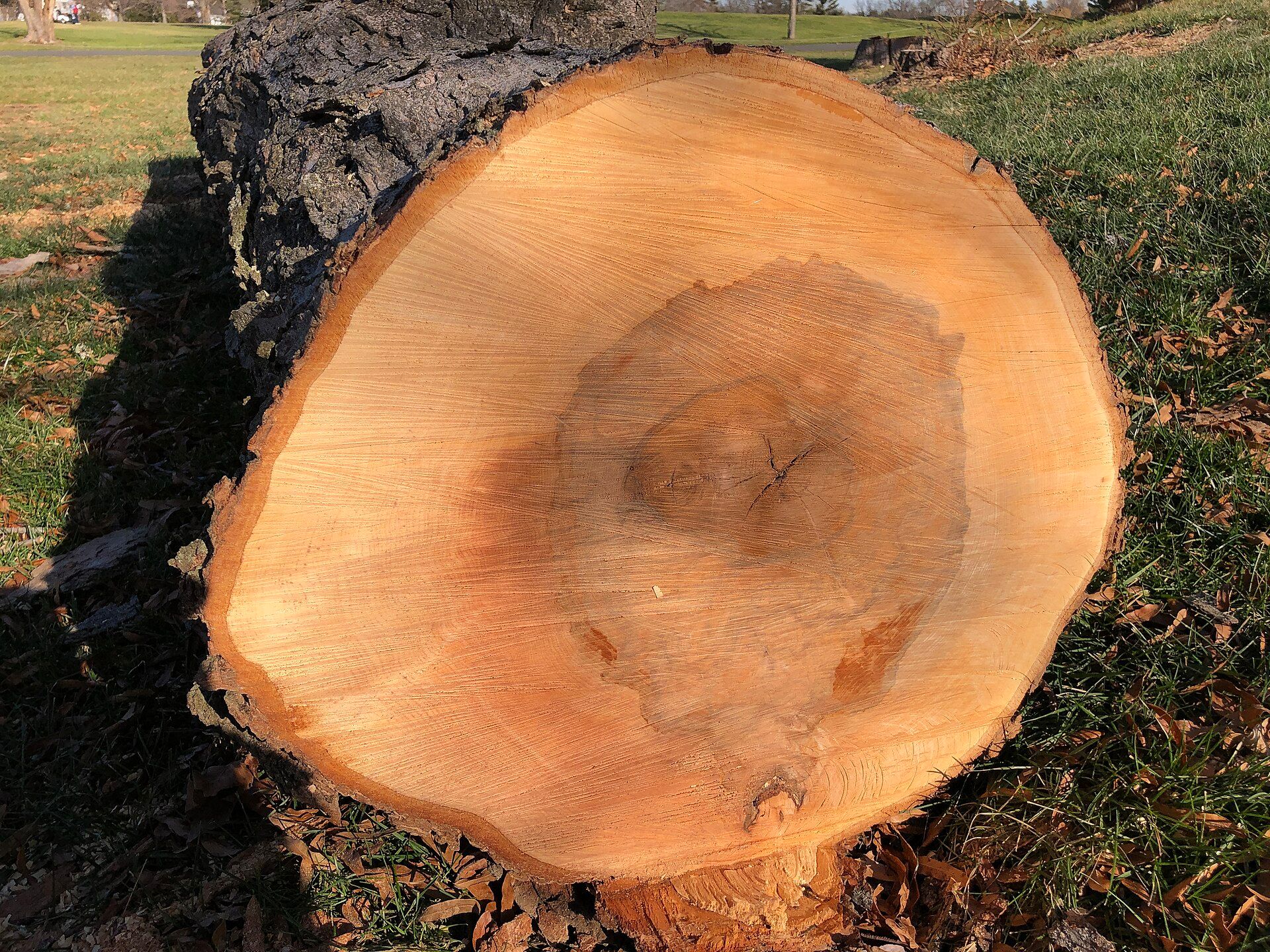
Hard mapleHardwood
Acer saccharum
- 1,450 lbf hard
- 705 kg/m³
- Outdoors: very poor
- $$
Hard and pale. Floors, butcher blocks, workbenches and bats.
- The hardest commercial maple
- Moderately priced
- Burns under router bits
- Blotches when stained
Data · Photo: Philipp Zinger, CC BY-SA 4.0
Data · Photo: Codex, CC BY-SA 4.0
Data · Photo: Famartin, CC BY-SA 4.0
Data · Photo: Famartin, CC BY-SA 4.0
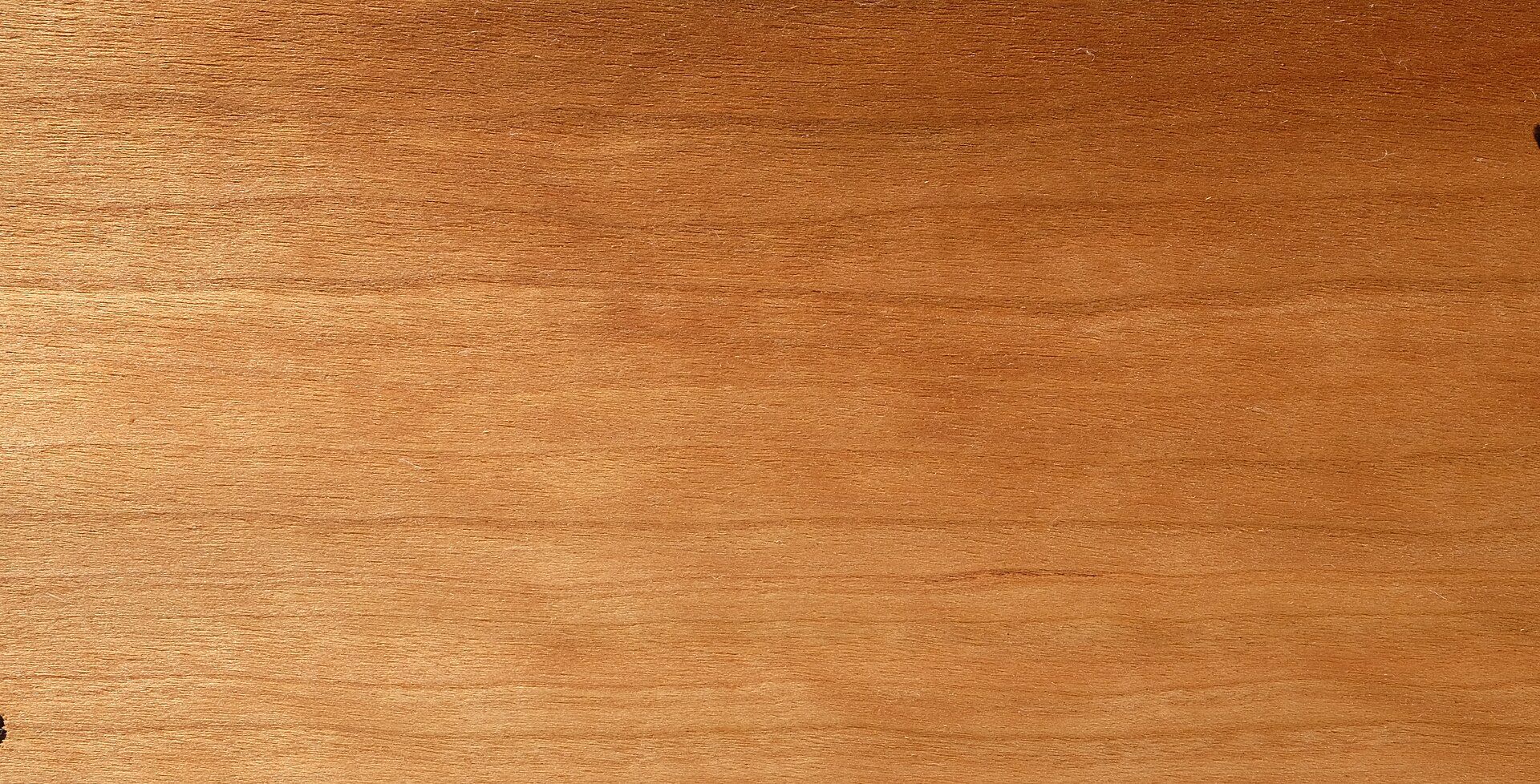
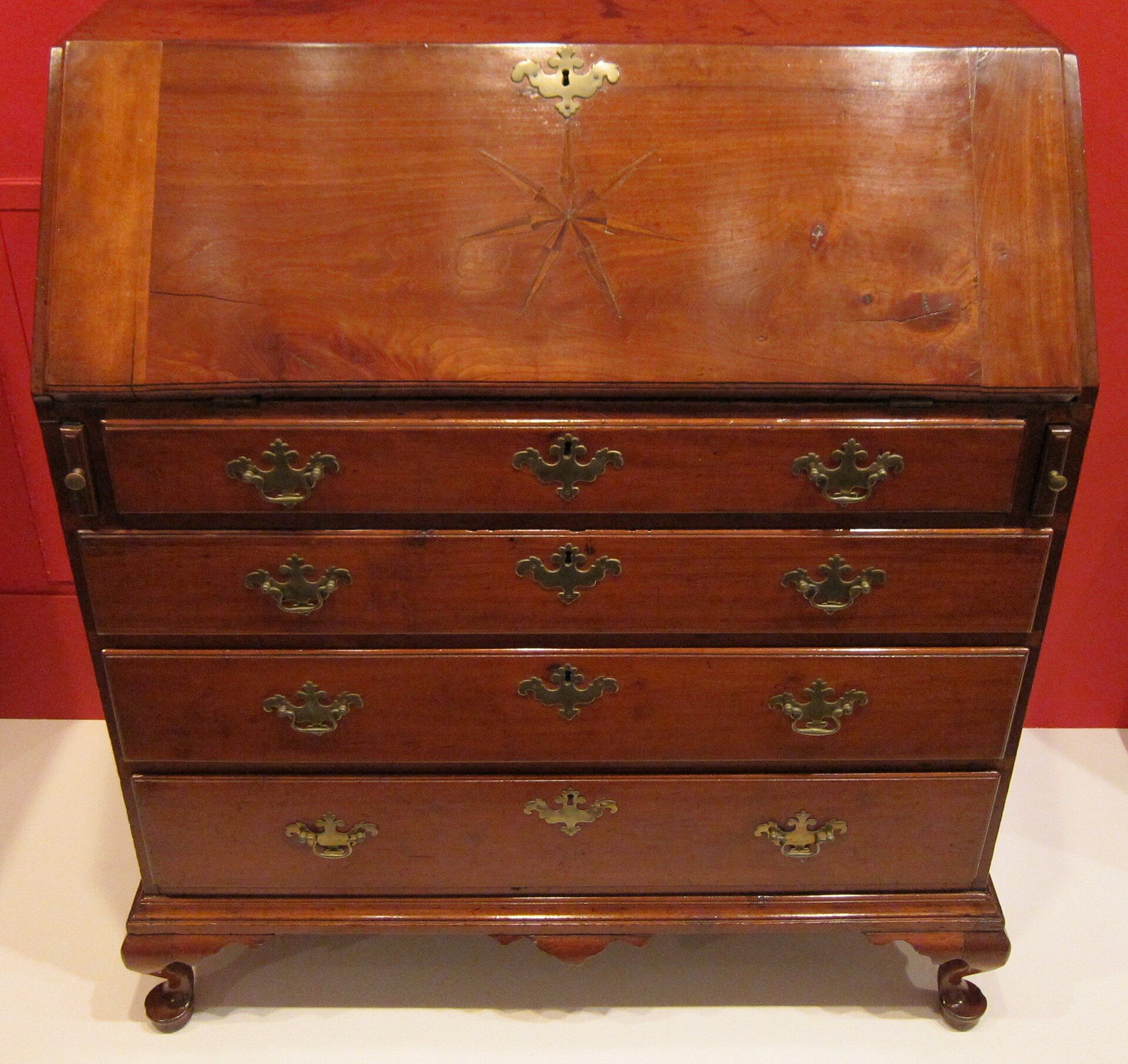
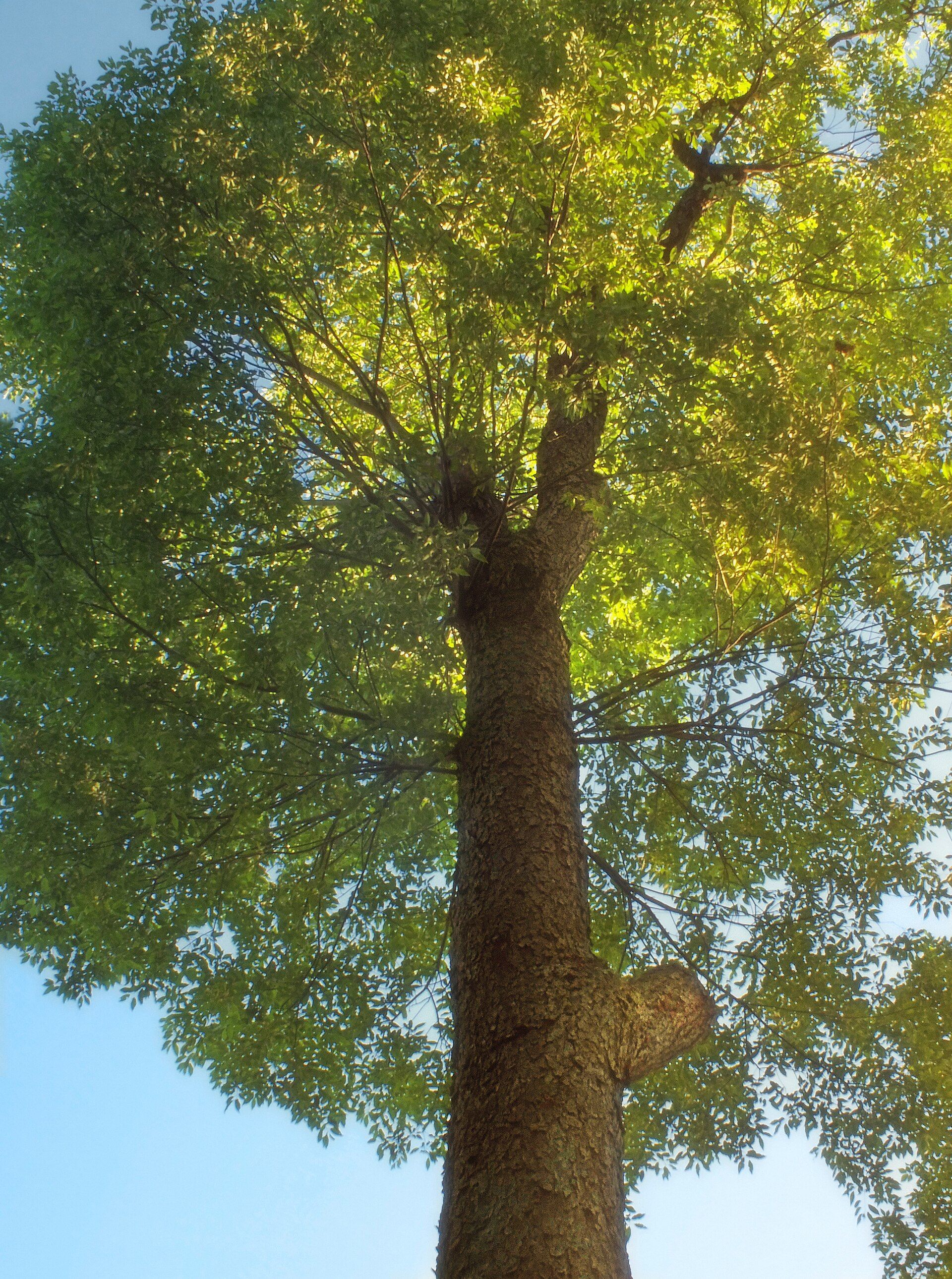
Black cherryHardwood
Prunus serotina
- 950 lbf hard
- 560 kg/m³
- Outdoors: good
- $$$
Fine furniture wood that darkens to a rich colour with age.
- One of the easiest woods to work
- Stable once dry
- Blotches when stained
- Lots of pale sapwood to cut away
Data · Photo: Philipp Zinger, CC BY-SA 4.0
Data · Photo: Nicholas A. Tonelli from Pennsylvania, USA, CC BY 2.0
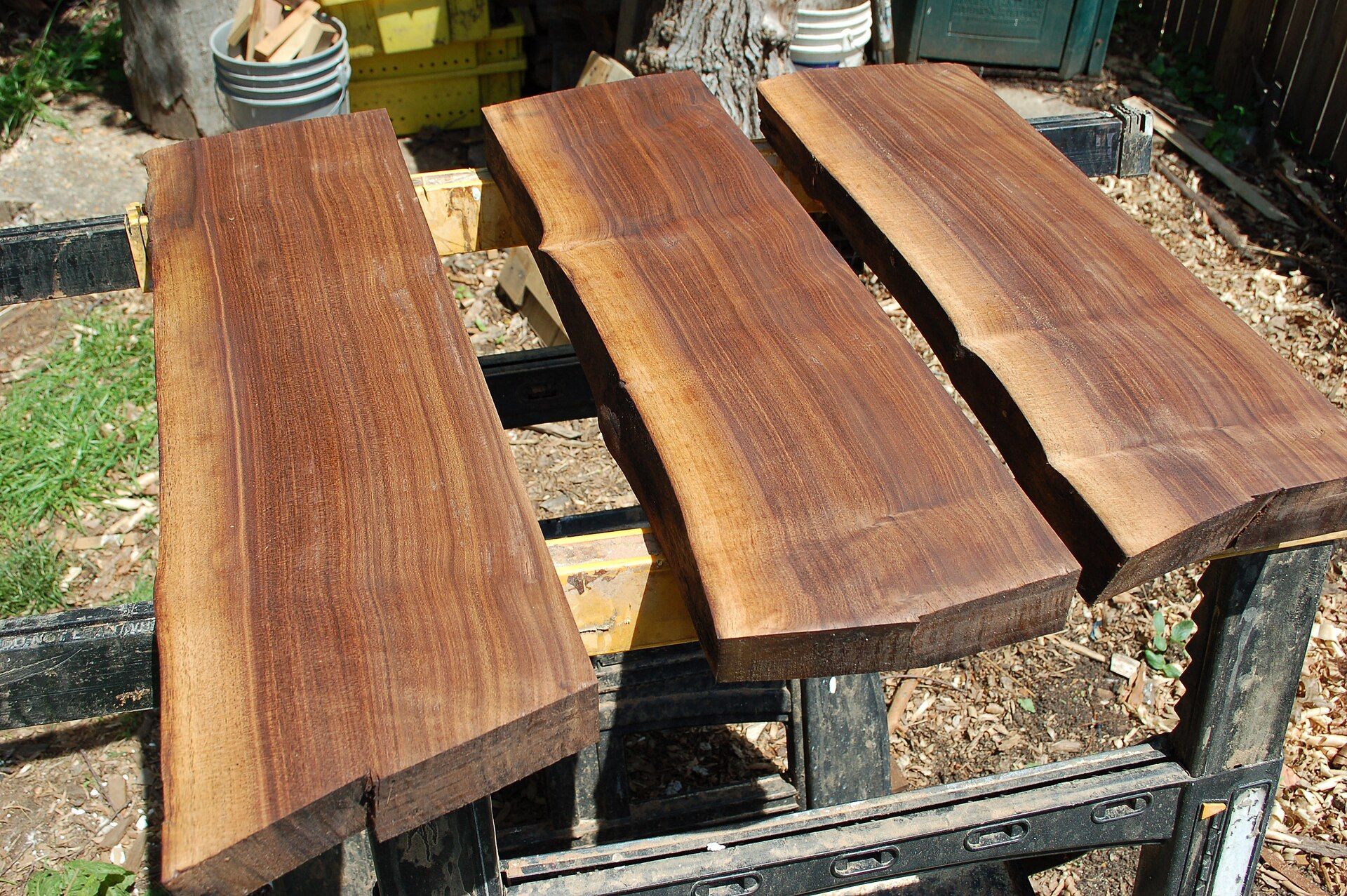
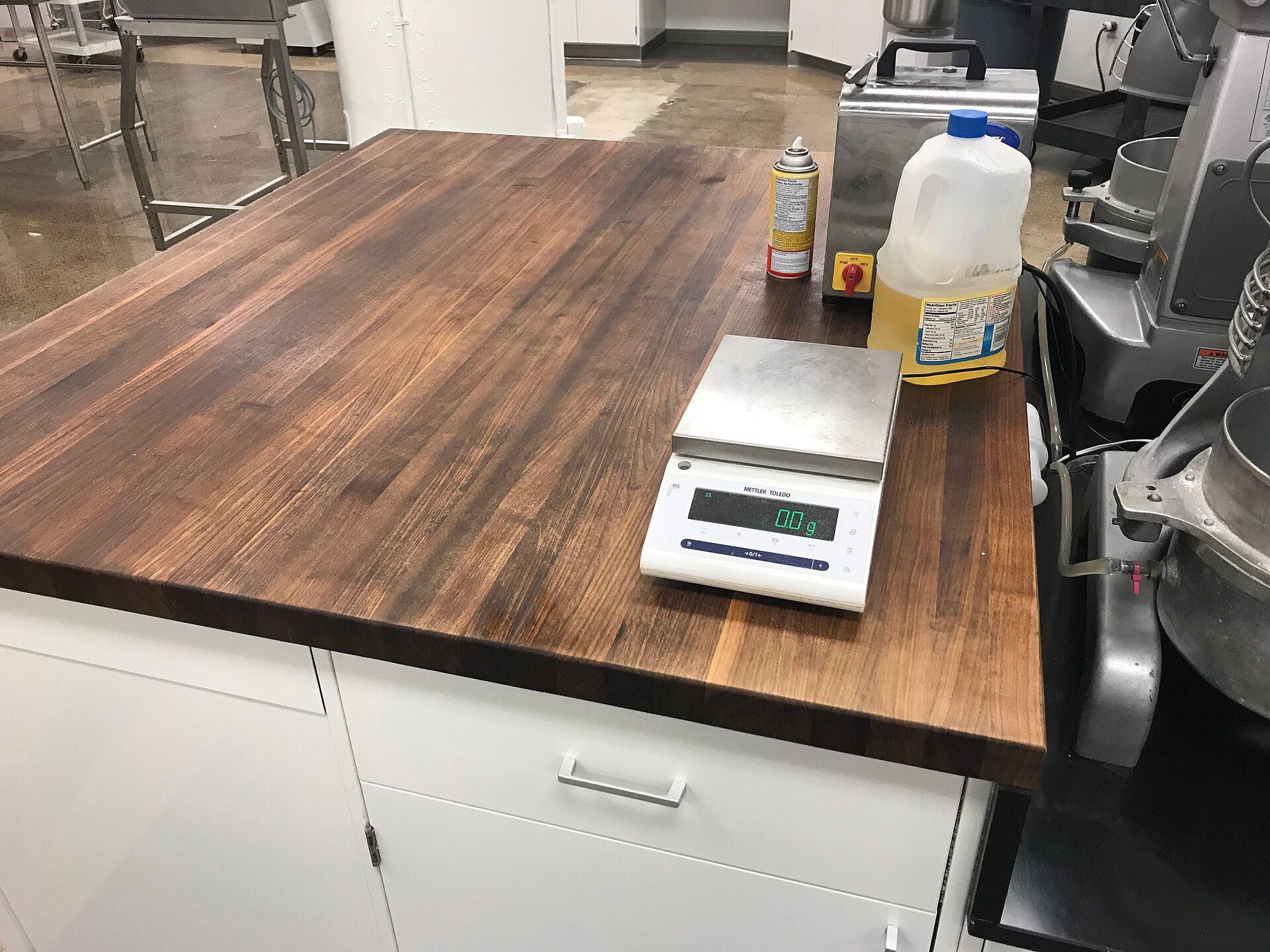
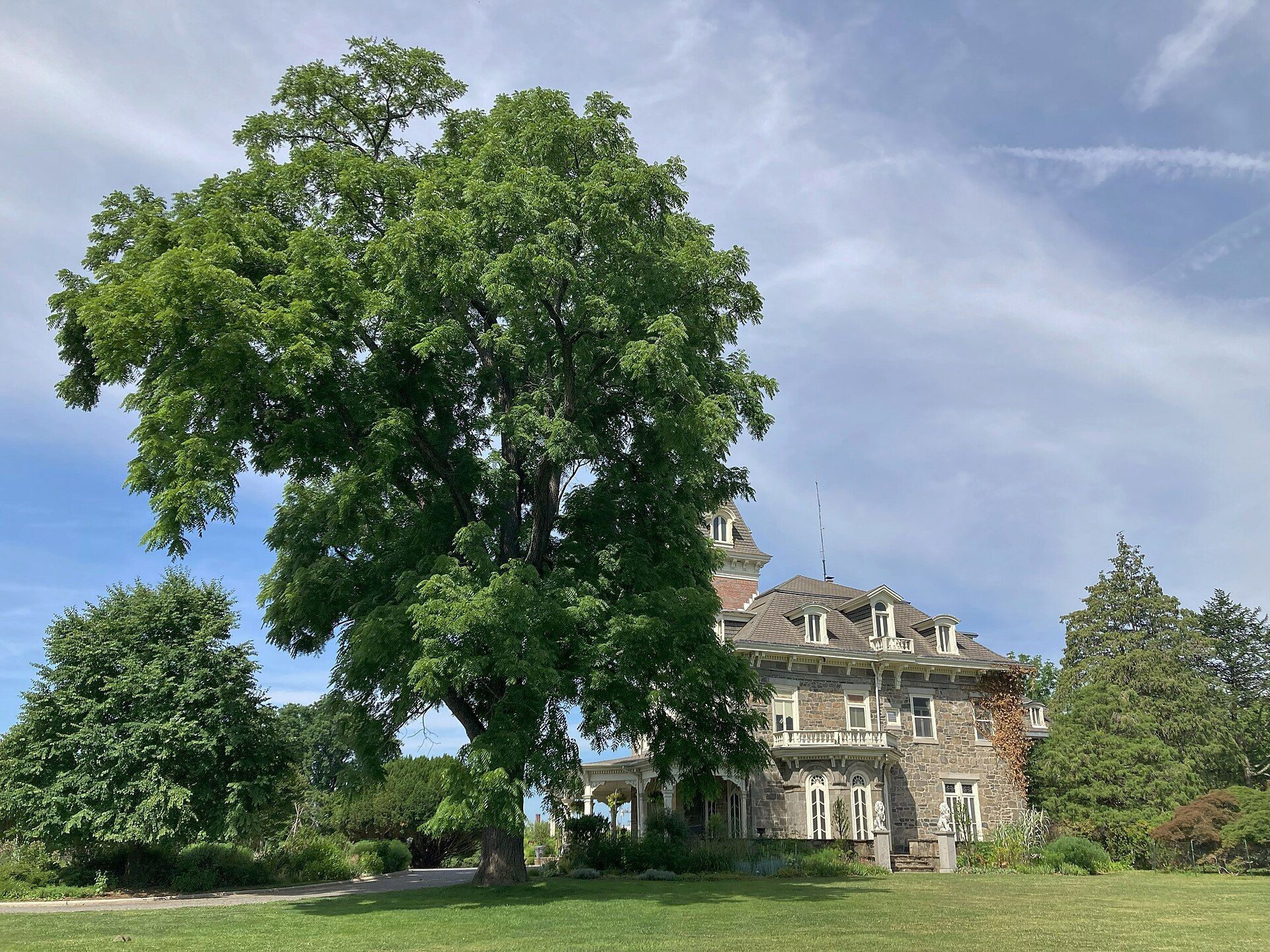
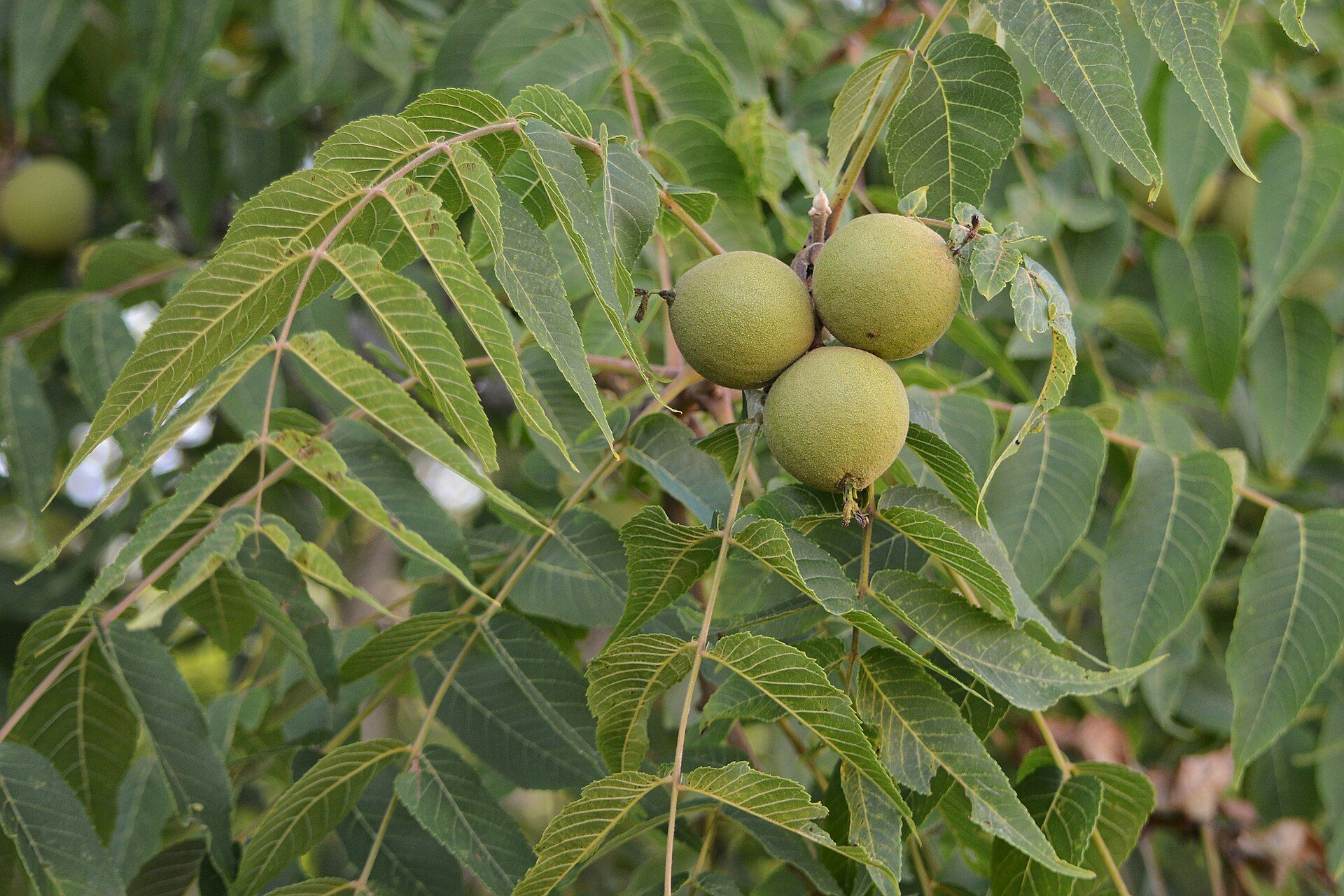
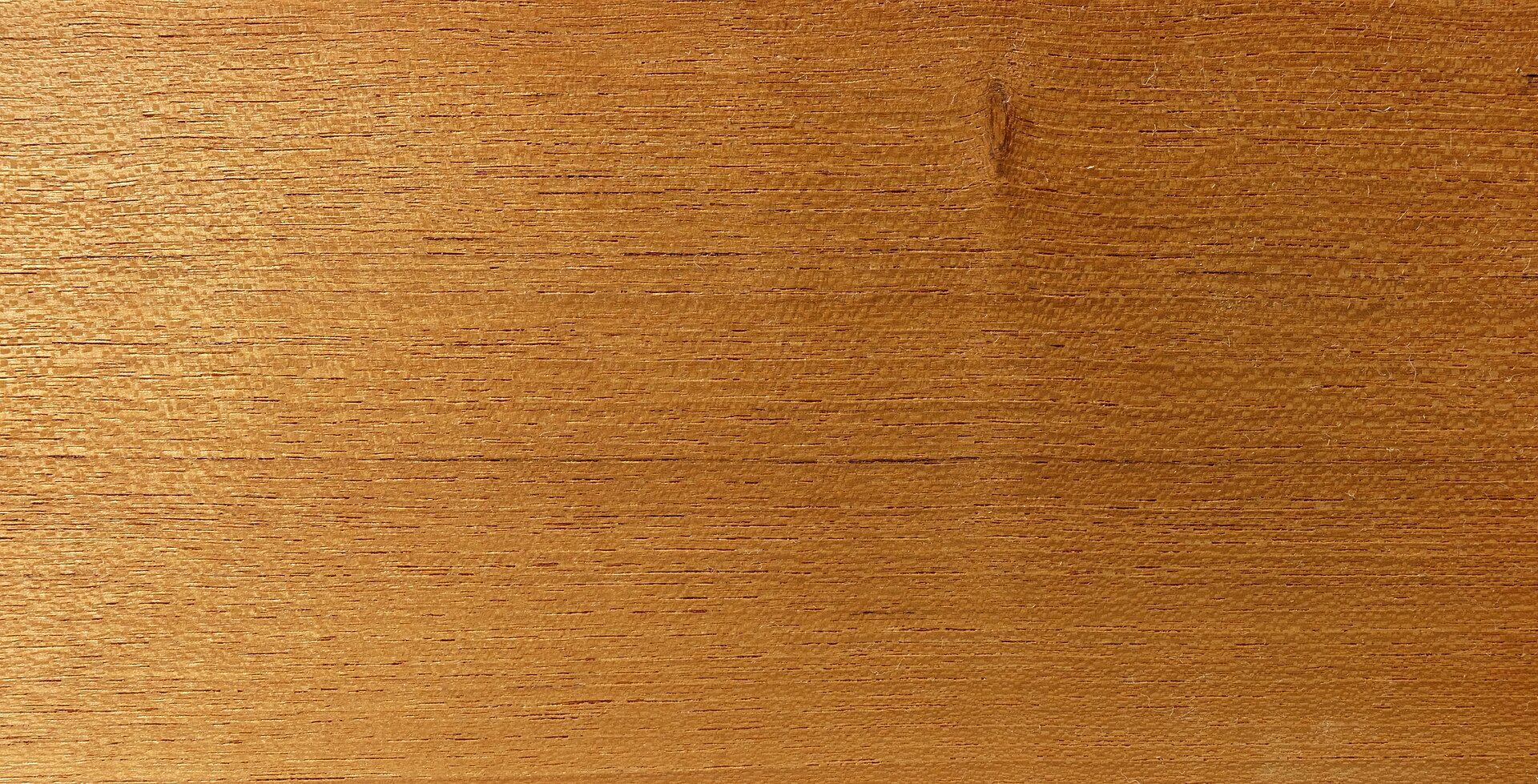
Black walnutHardwood
Juglans nigra
- 1,010 lbf hard
- 610 kg/m³
- Outdoors: good
- $$$
The dark furniture wood. Tables, cabinets and gunstocks.
- Very durable heartwood
- Stays stable once dry
- Expensive
- Narrow boards with lots of sapwood
Data · Photo: A. Drauglis, CC BY 2.0
Data · Photo: Sww9999, CC BY-SA 4.0
Data · Photo: Marty Aligata, CC BY-SA 4.0
Data · Photo: Ryan Hodnett, CC BY-SA 4.0
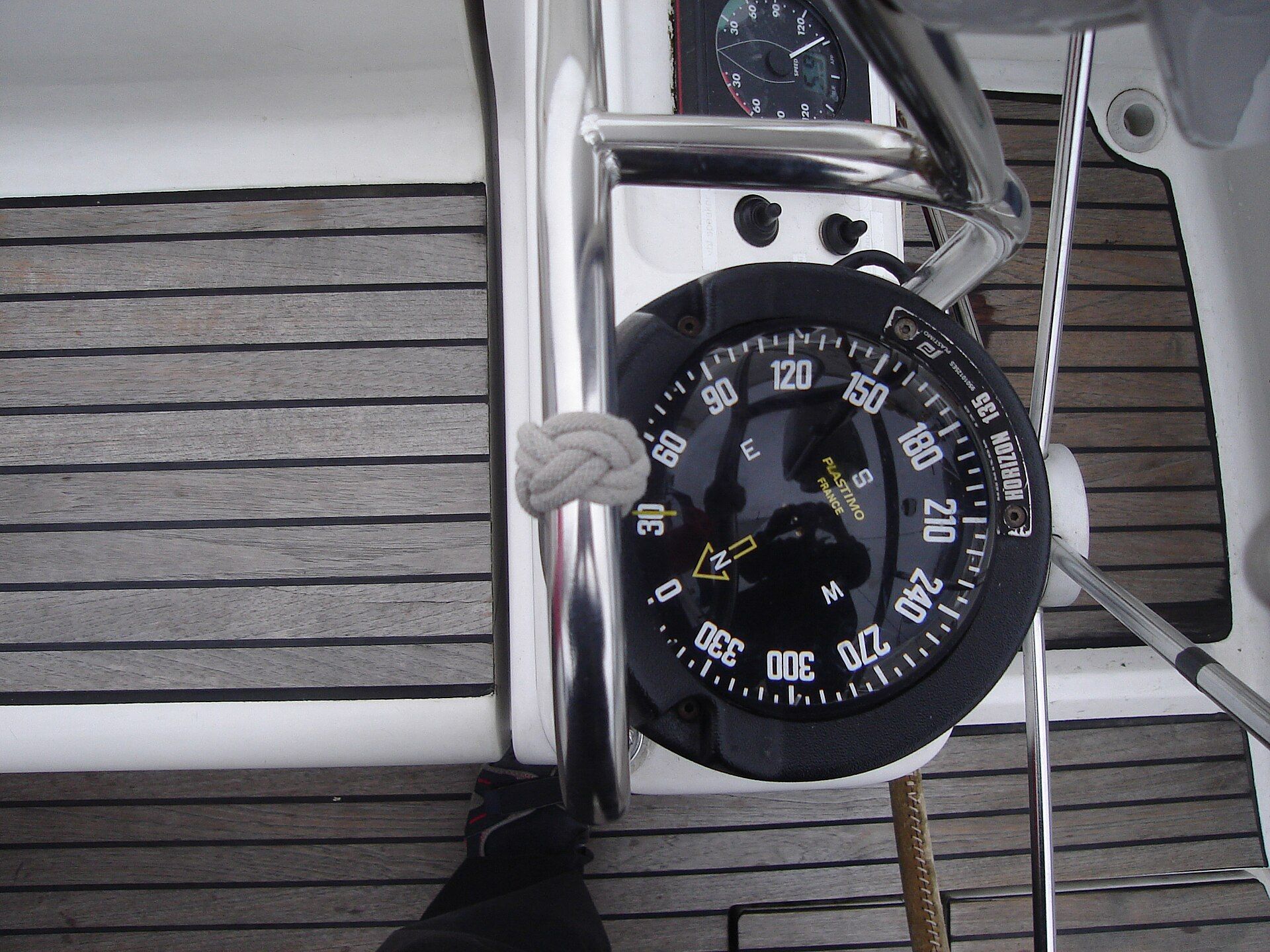
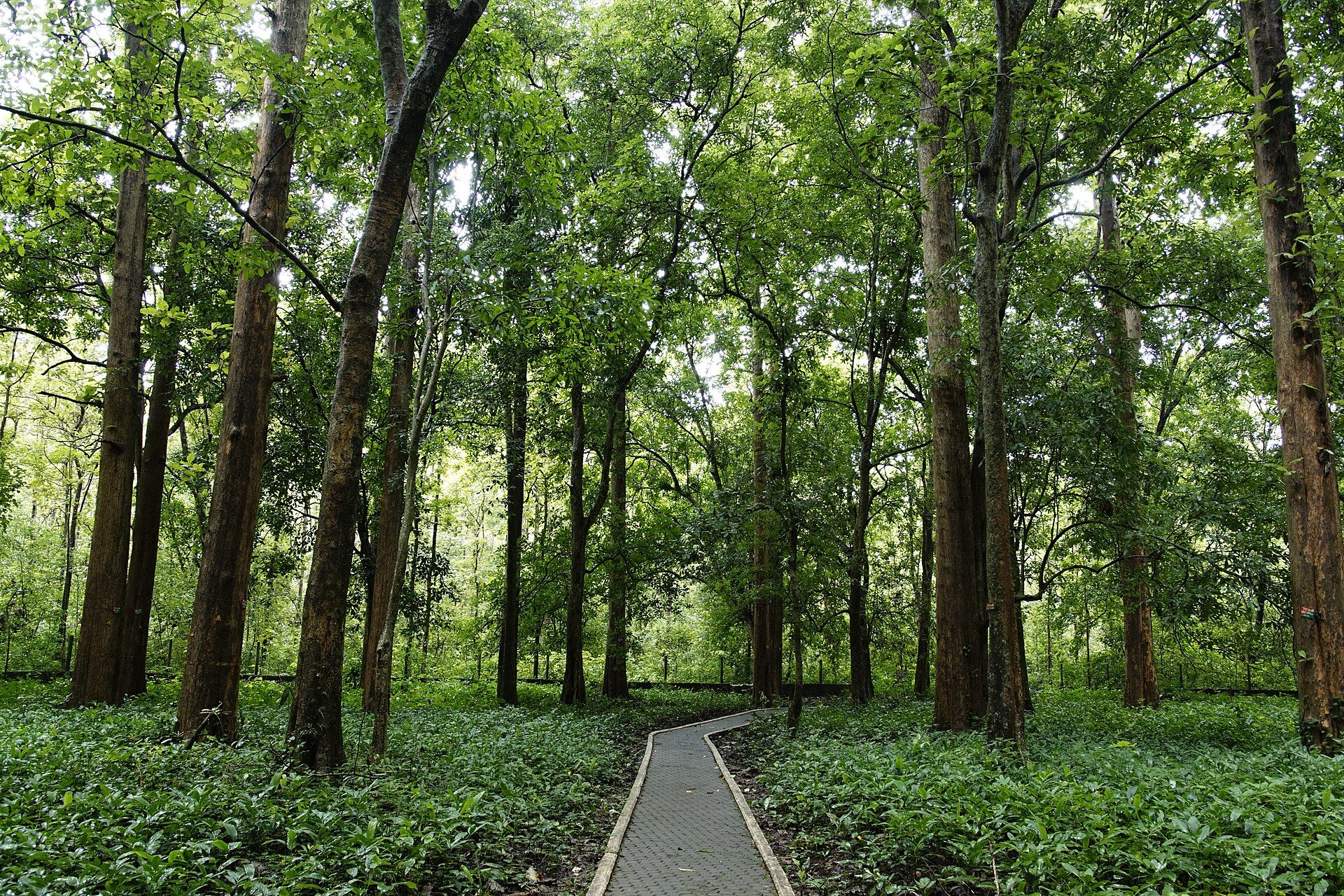
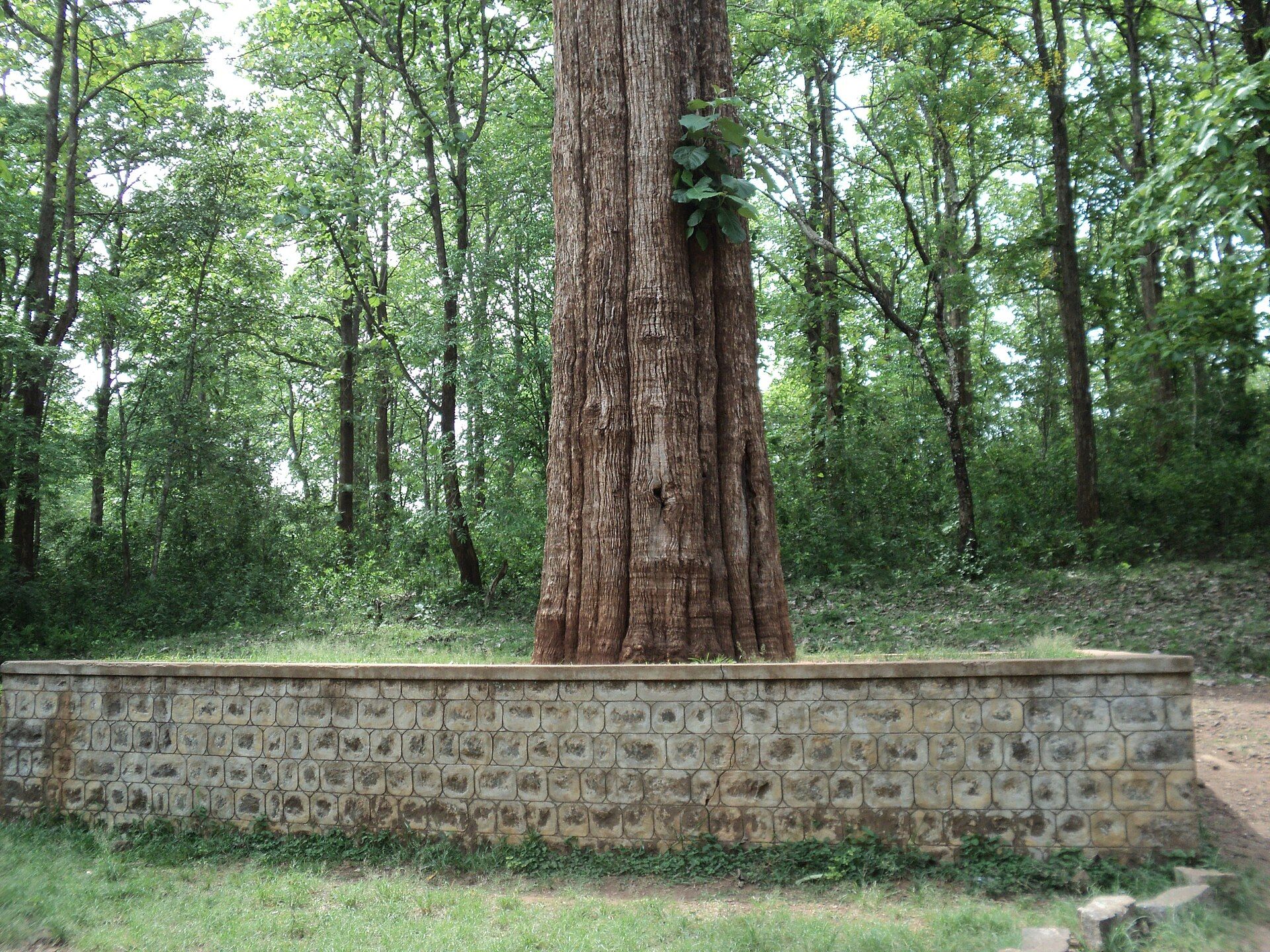
TeakHardwood
Tectona grandis
- 1,070 lbf hard
- 655 kg/m³
- Outdoors: very good
- $$$$
The standard for boats and outdoor furniture, with a price to match.
- Very durable, and resists termites
- Easy to work
- One of the most expensive woods
- Silica in it blunts tools
Data · Photo: Philipp Zinger, CC BY-SA 4.0
Data · Photo: Stefan Götte, Public domain
Data · Photo: Vengolis, CC BY-SA 4.0
Data · Photo: PP Yoonus, CC BY-SA 3.0
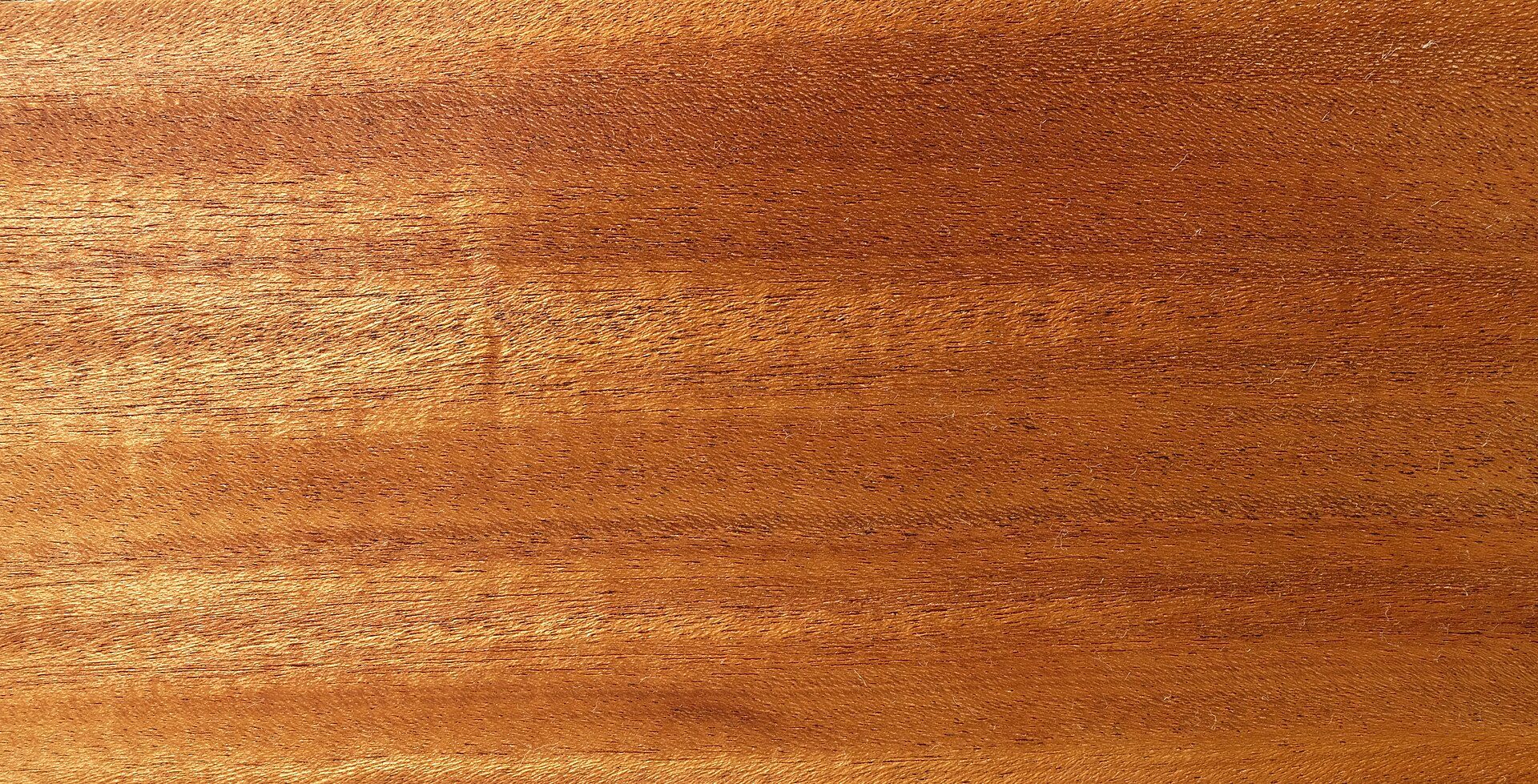

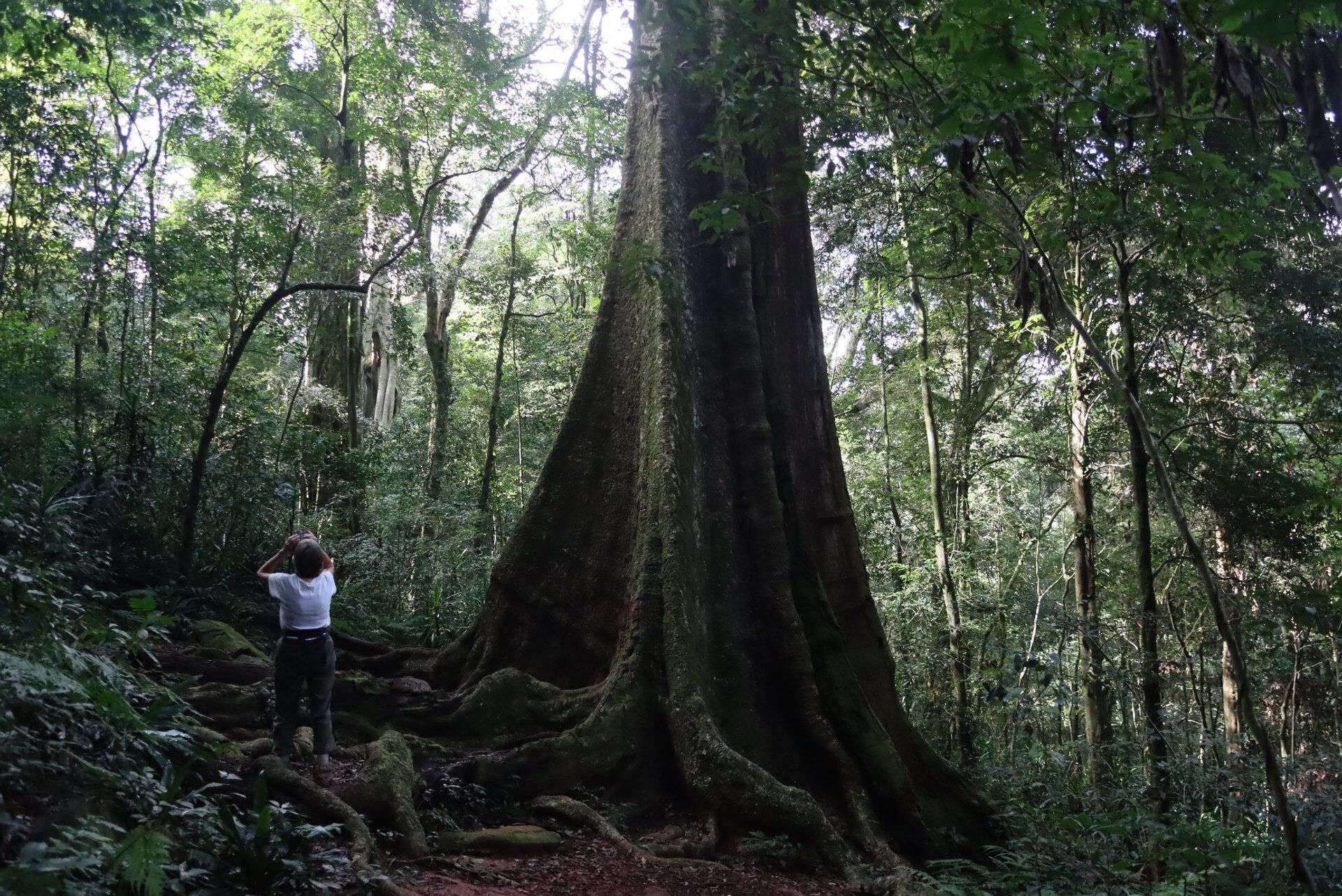
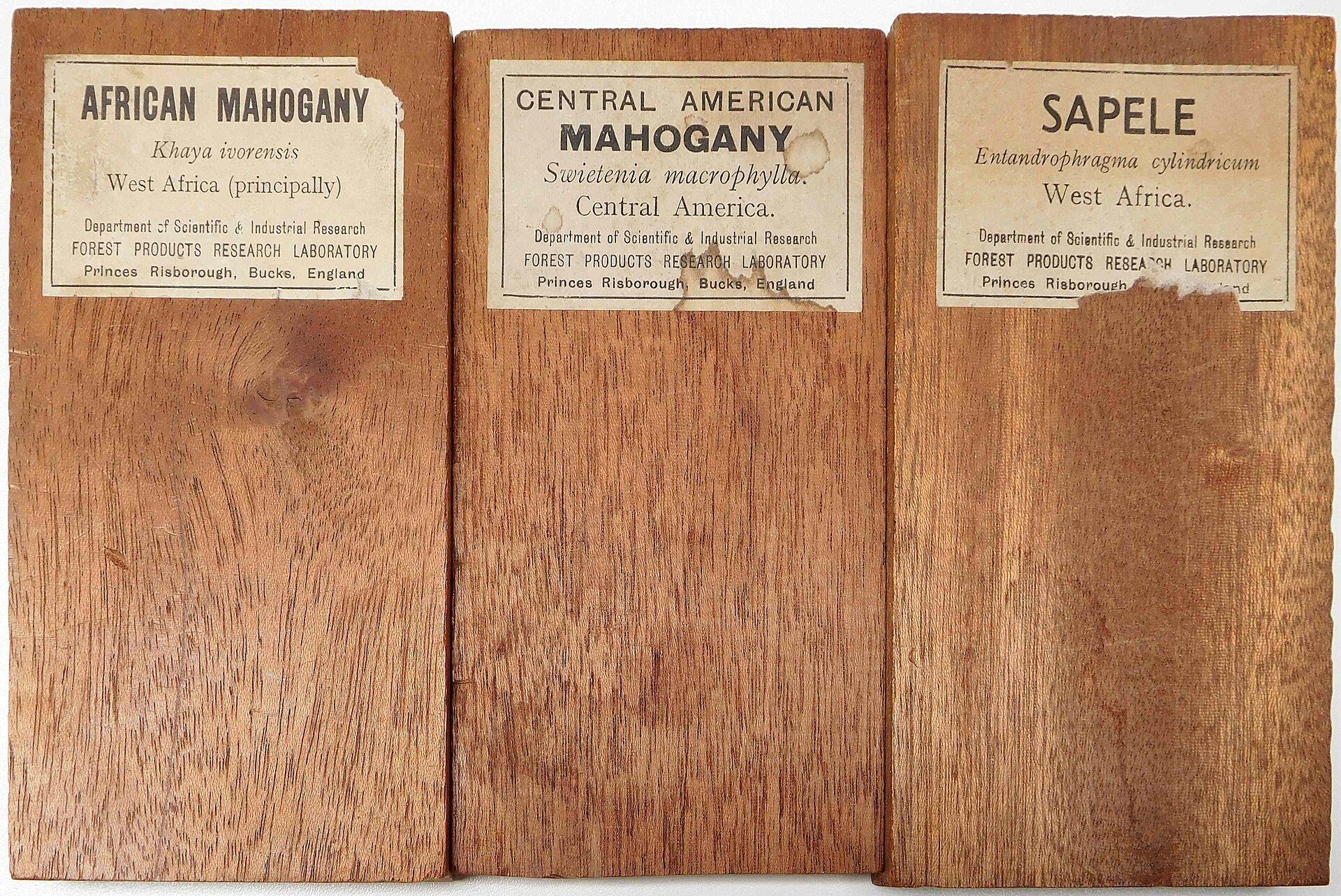
African mahoganyHardwood
Khaya ivorensis, K. anthotheca
- 850 lbf hard
- 545 kg/m³
- Outdoors: fair
- $$
The mahogany look at a moderate price. Furniture, joinery and boats.
- Moderately priced
- Glues and finishes well
- Interlocked grain tears out
- Stains with iron when damp
Data · Photo: Philipp Zinger, CC BY-SA 3.0
Data · Photo: w_lemay, CC BY-SA 2.0
Data · Photo: tonyrebelo, CC BY-SA 4.0
Data · Photo: Ian Alexander, CC BY-SA 4.0
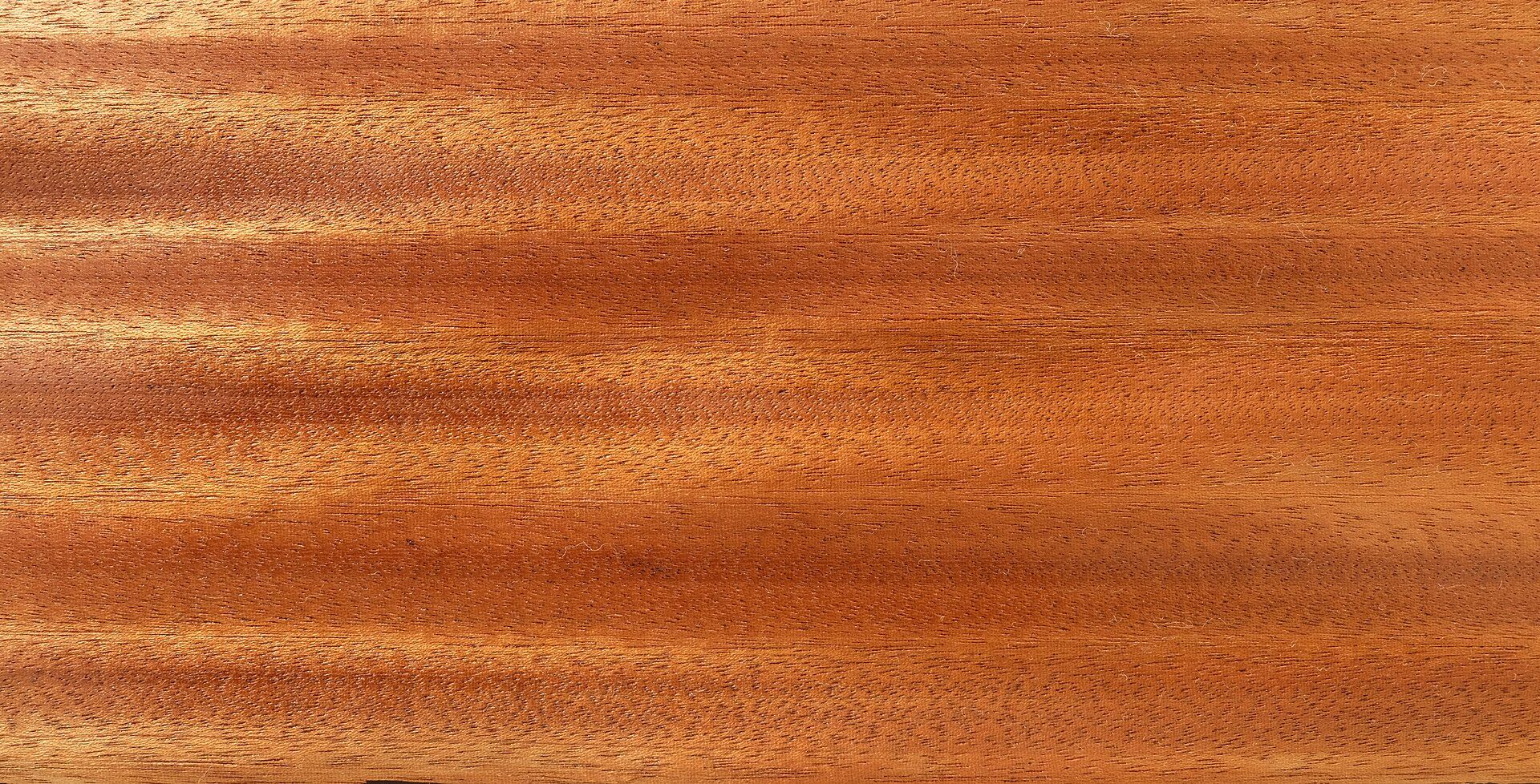
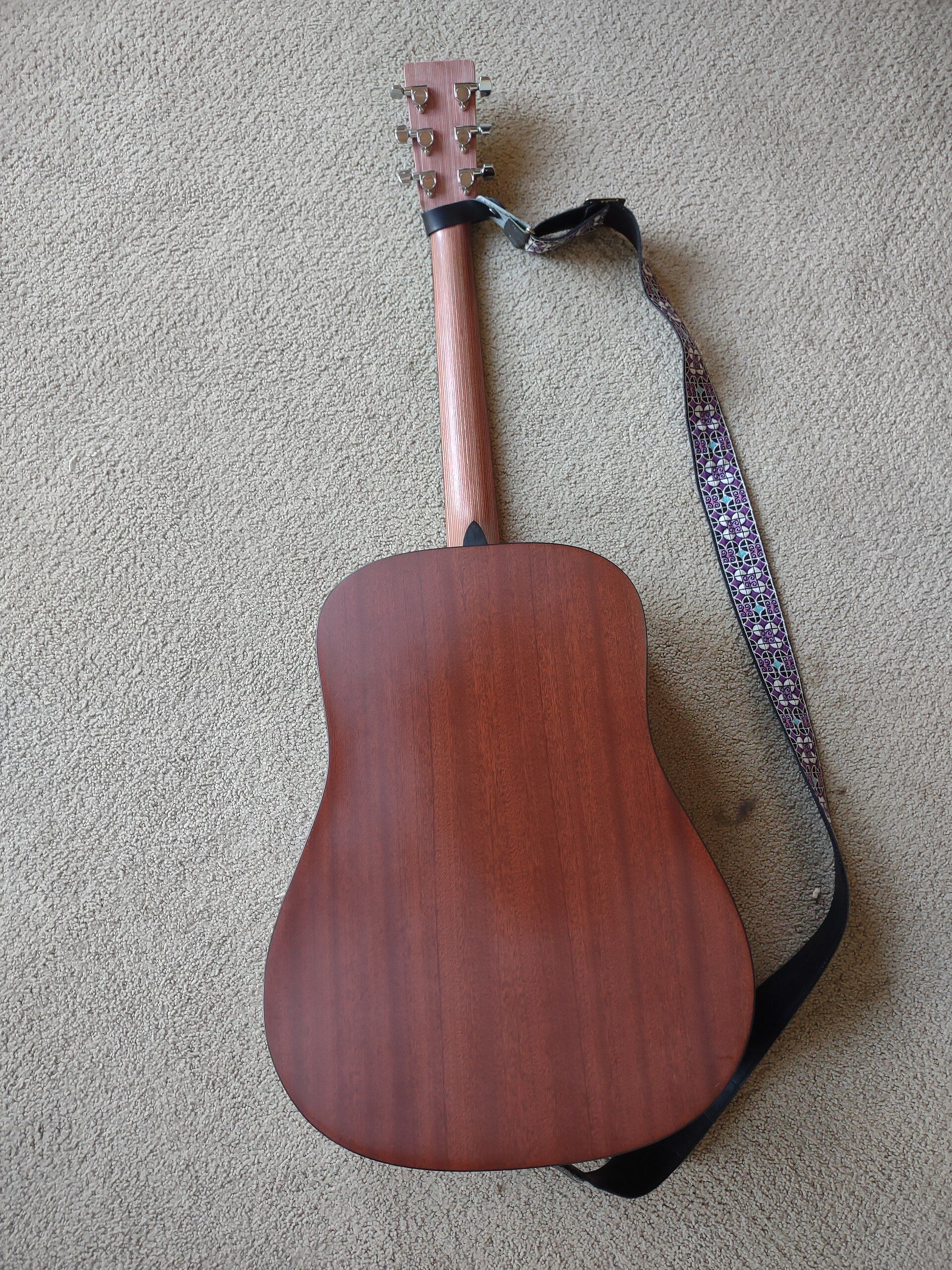
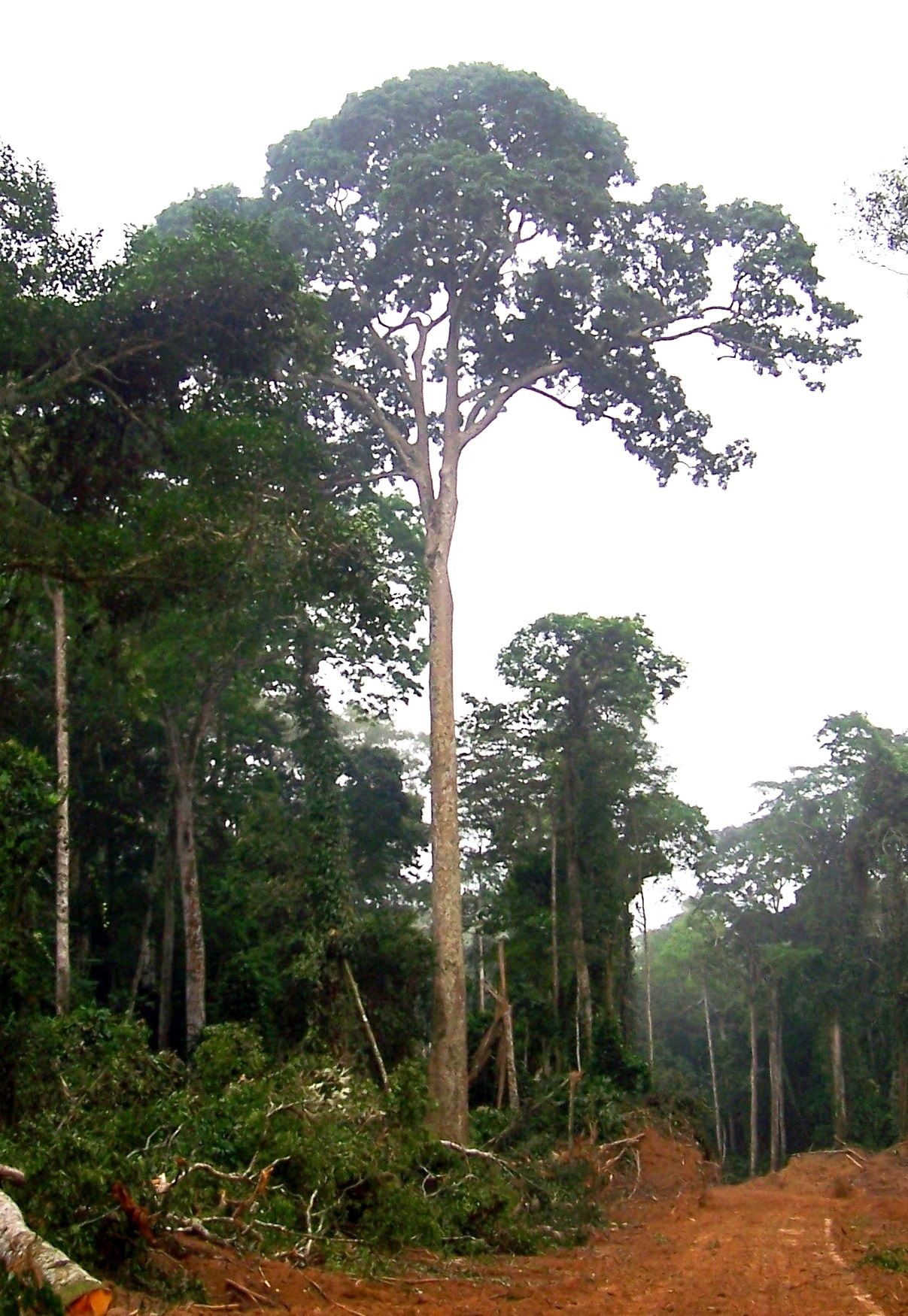
SapeleHardwood
Entandrophragma cylindricum
- 1,360 lbf hard
- 665 kg/m³
- Outdoors: fair
- $$
Ribbon-striped and harder than mahogany. Furniture, doors and floors.
- Hard for its price
- Moderately priced
- Interlocked grain tears out
- Stains with iron
Data · Photo: Philipp Zinger, CC BY-SA 4.0
Data · Photo: Ragesoss, CC BY-SA 4.0
Data · Photo: Robert Sharp, Public domain
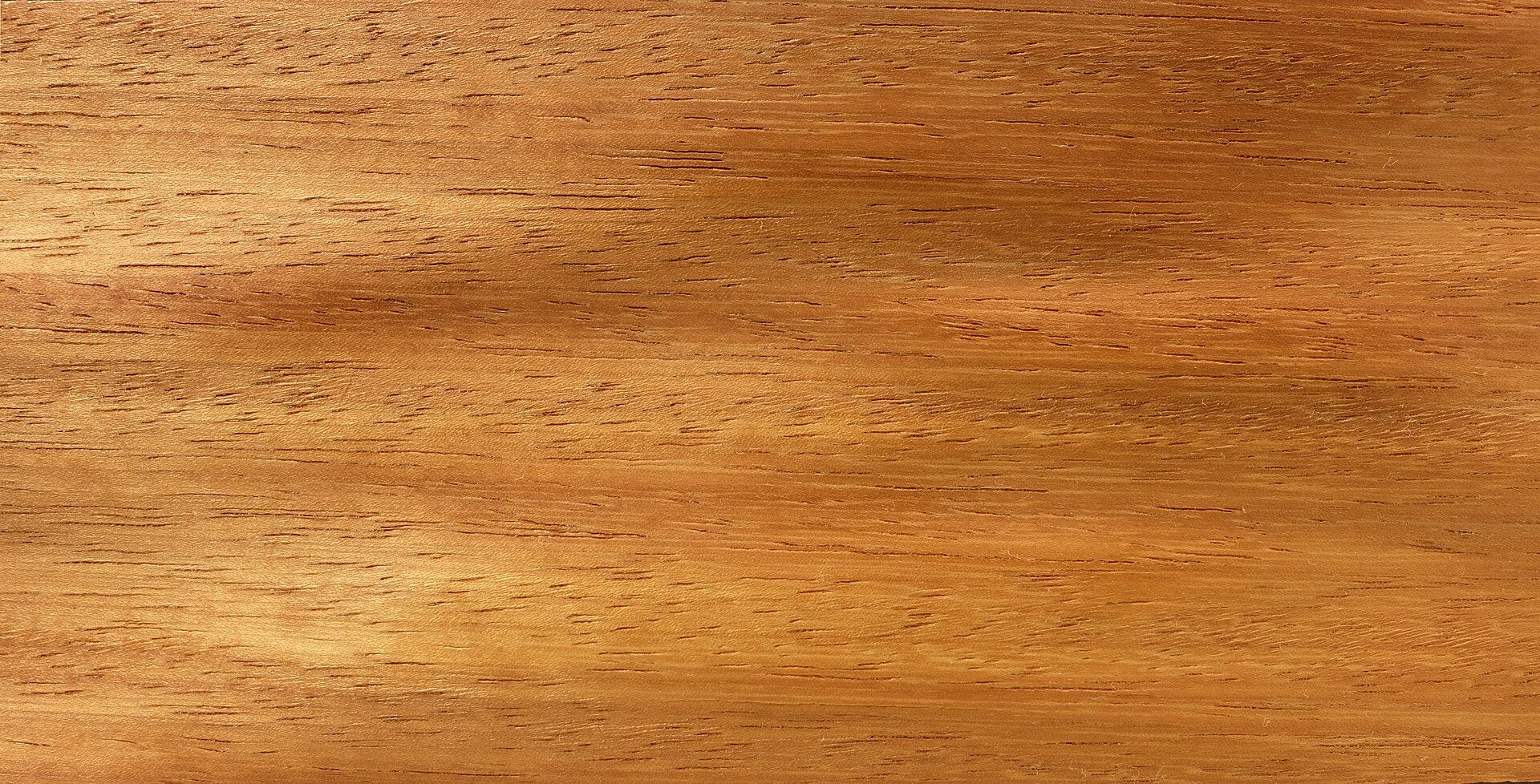
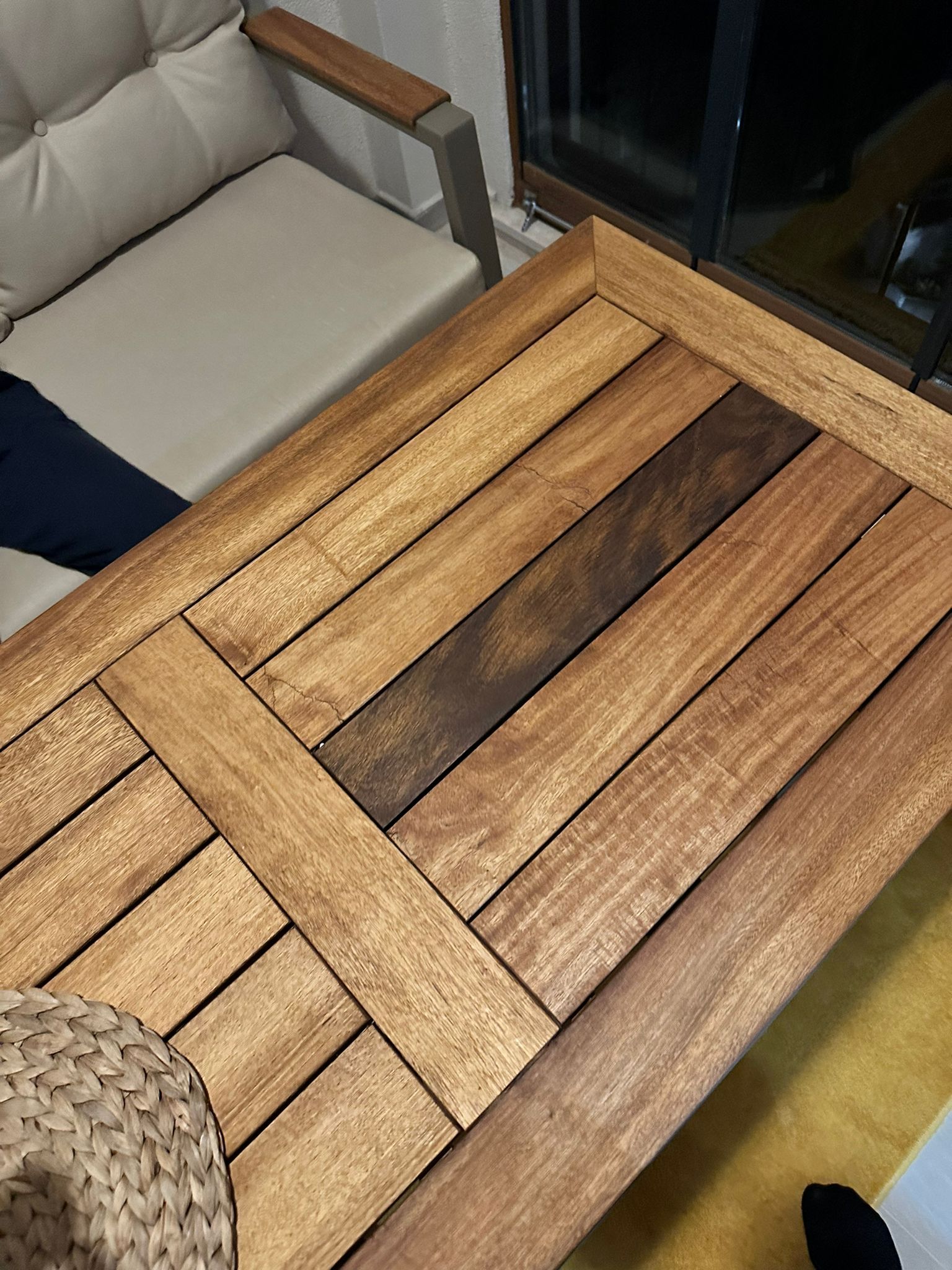
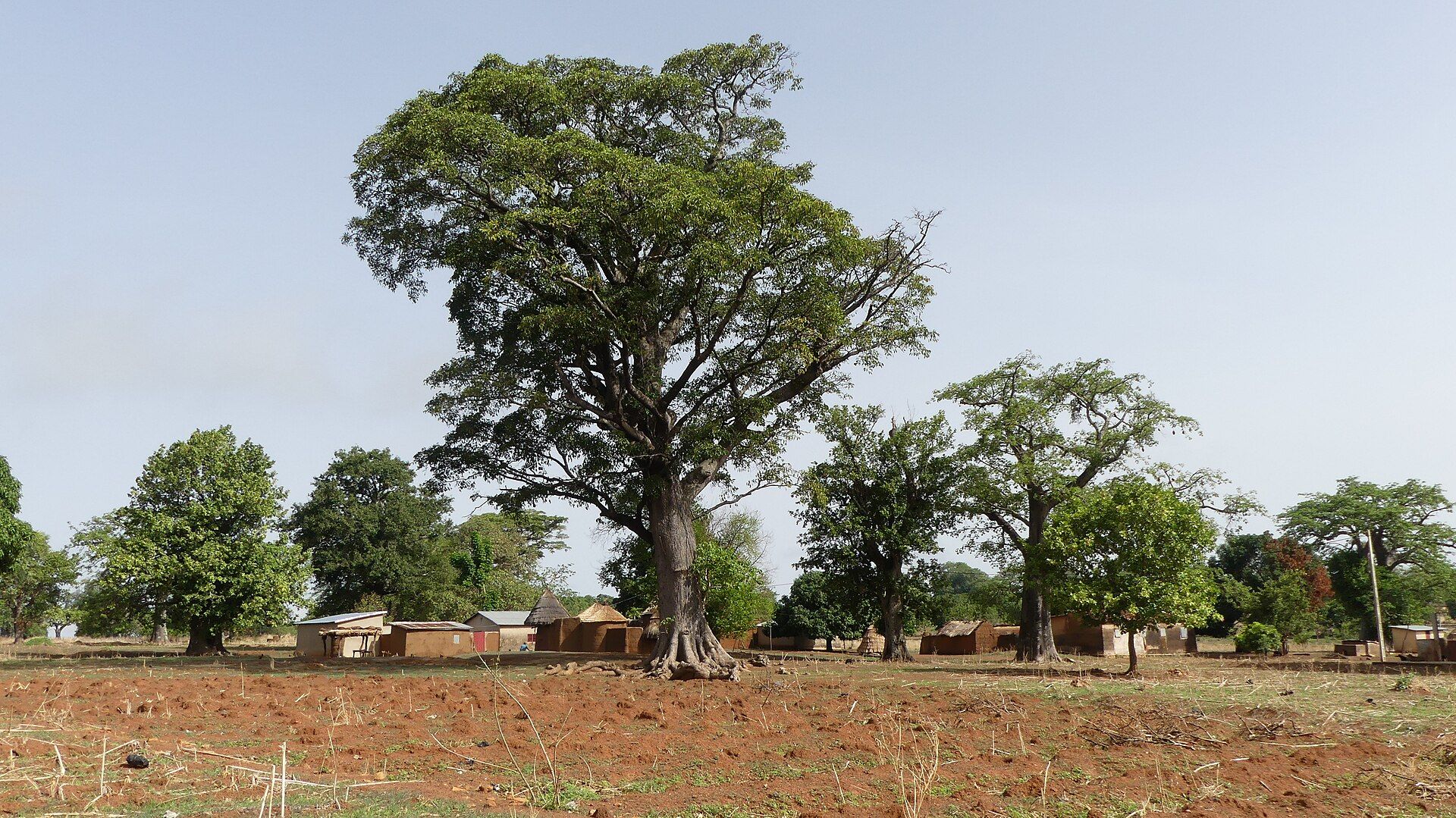
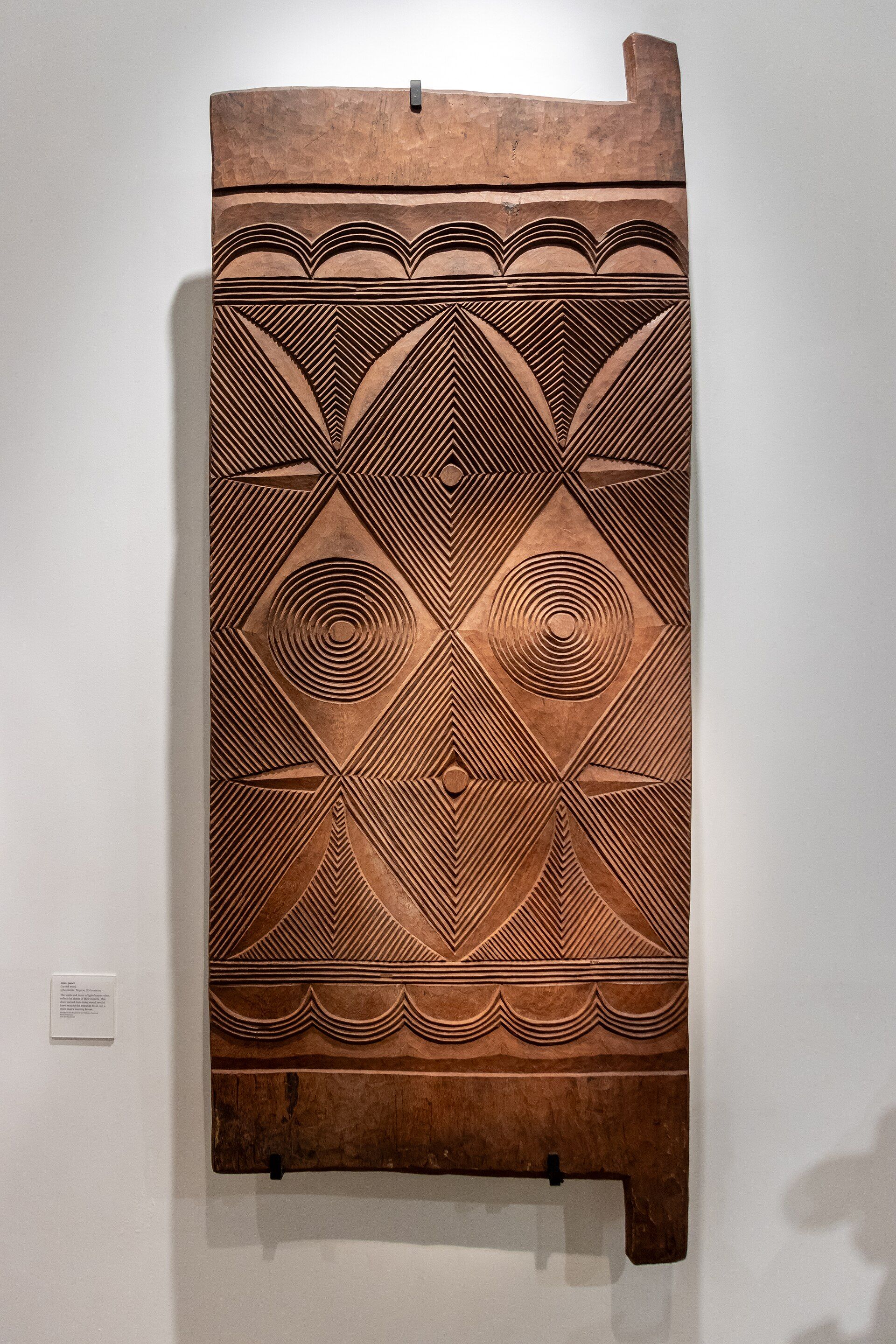
IrokoHardwood
Milicia excelsa, M. regia
- 1,190 lbf hard
- 660 kg/m³
- Outdoors: very good
- $$
A teak stand-in for boats, outdoor furniture and joinery.
- Very durable outdoors
- Teak-like at a moderate price
- Dust can cause asthma
- Hard deposits dull cutters
Data · Photo: Philipp Zinger, CC BY-SA 4.0
Data · Photo: İmmortalance, CC0
Data · Photo: Christleo, CC BY-SA 4.0
Data · Photo: Mike Peel, CC BY-SA 4.0
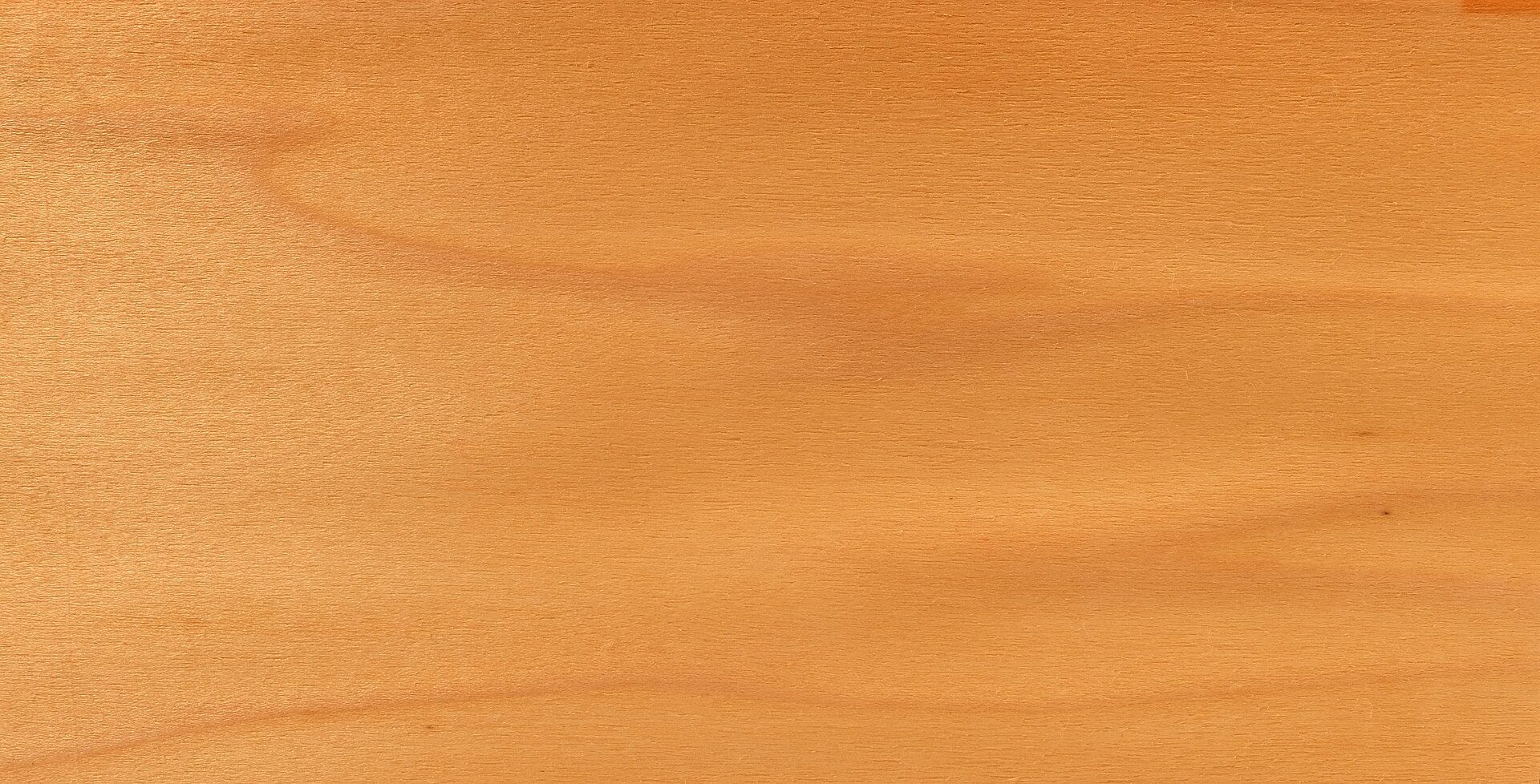
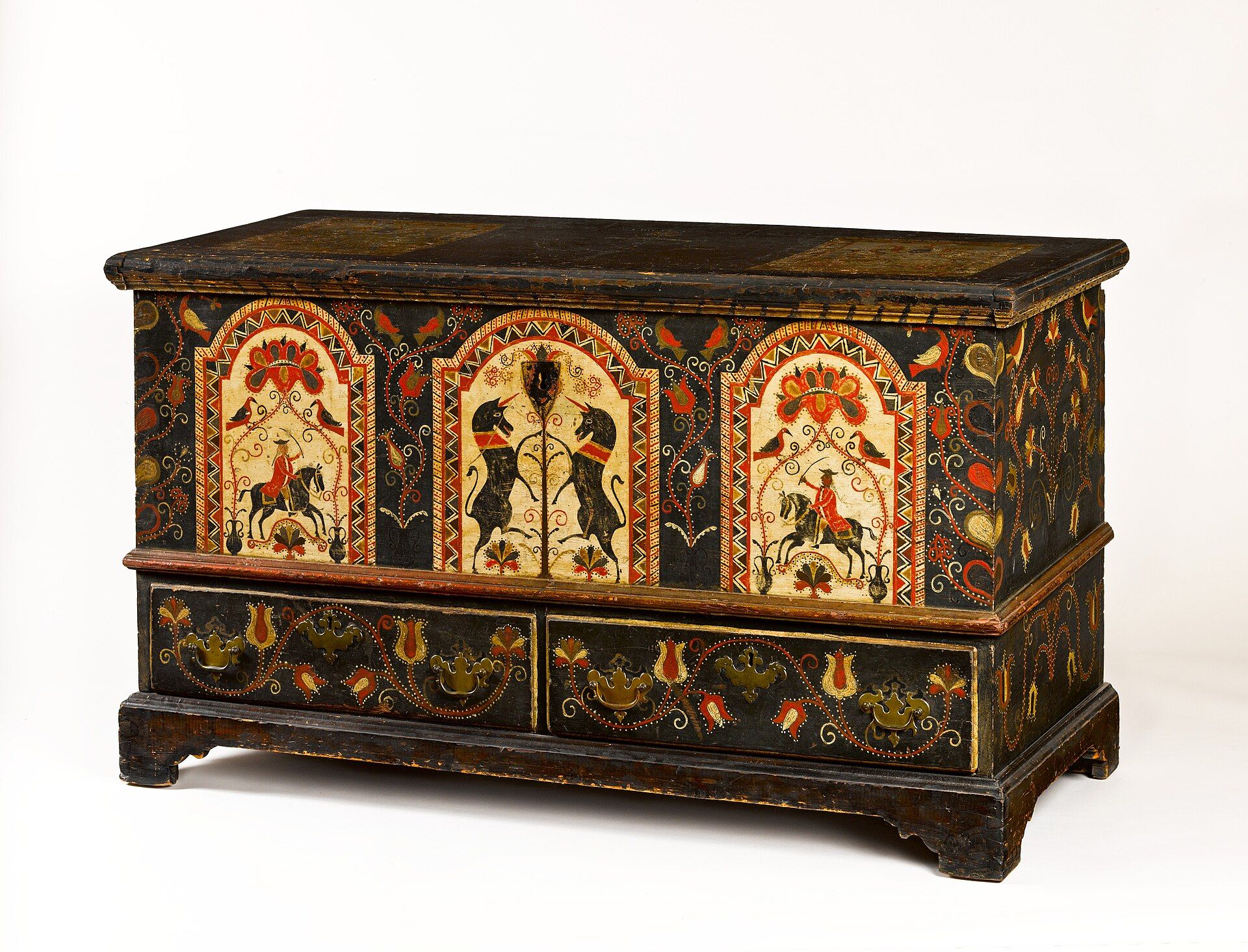
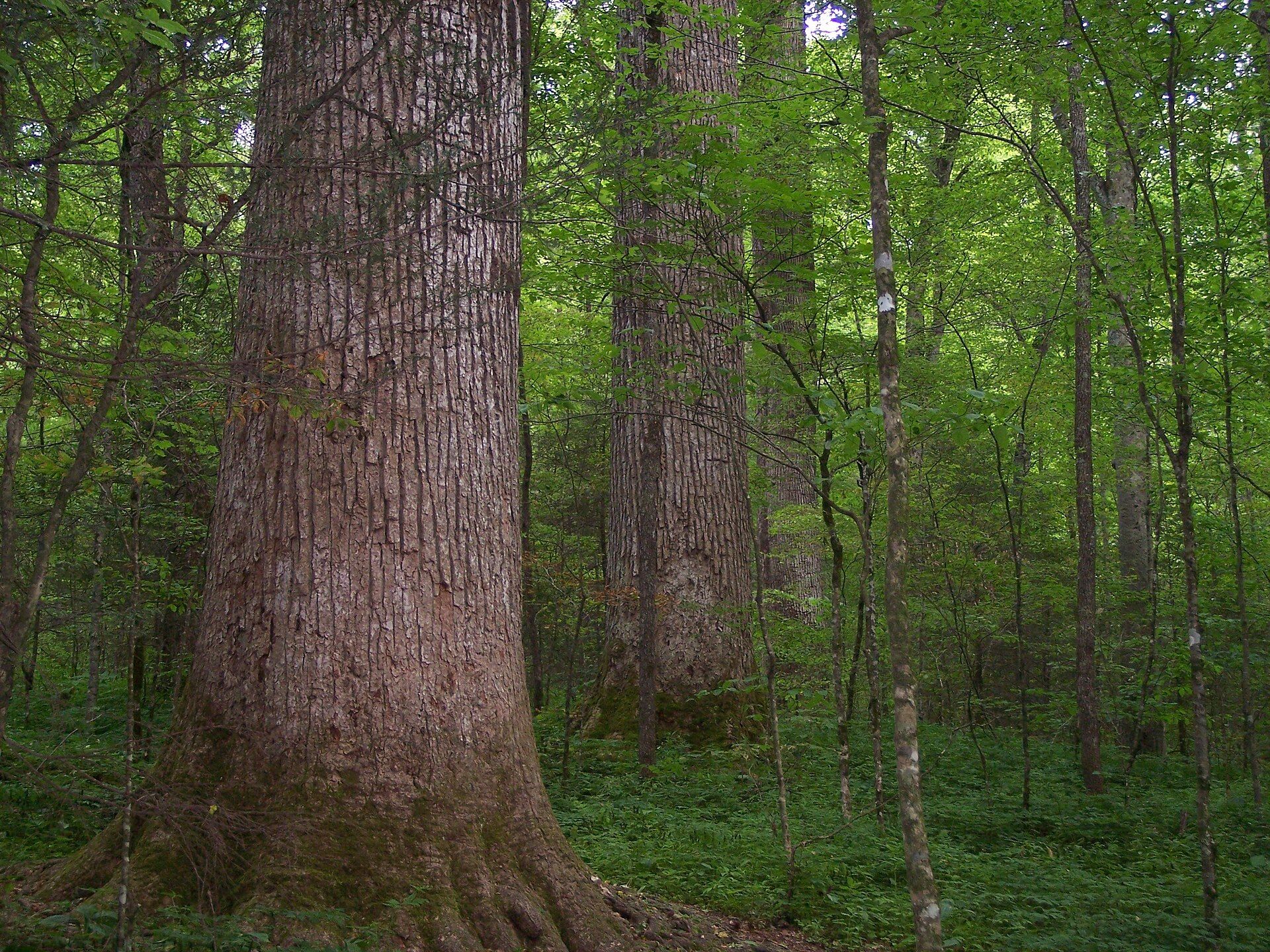
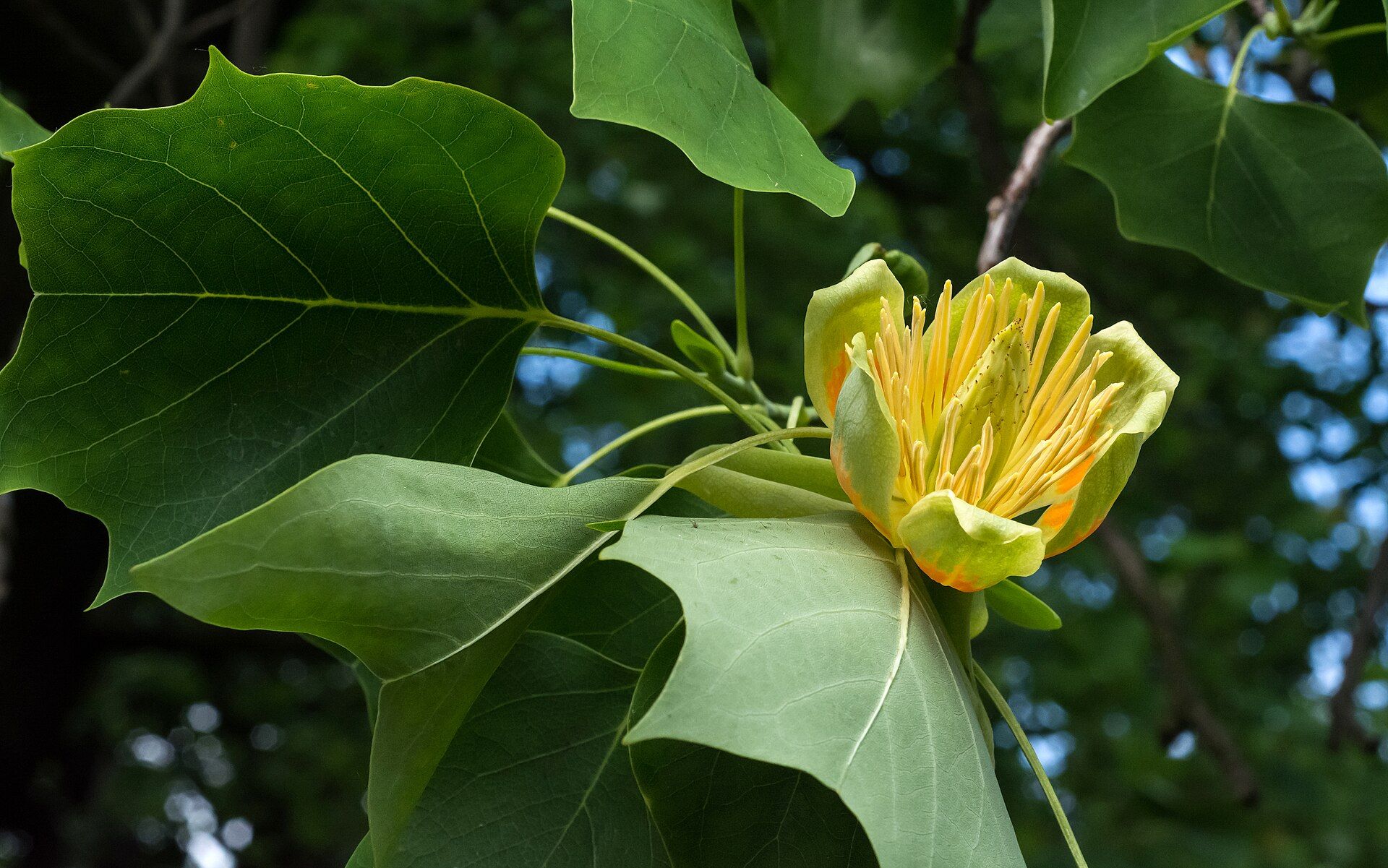
Yellow poplarHardwood
Liriodendron tulipifera
- 540 lbf hard
- 455 kg/m³
- Outdoors: poor
- $
Cheap, easy, and made to be painted.
- Among the cheapest hardwoods
- Very easy to work
- Soft for a hardwood
- Leaves fuzzy edges
Data · Photo: Philipp Zinger, CC BY-SA 4.0
Data · Photo: Metropolitan Museum of Art, CC0
Data · Photo: Notneb82, CC BY-SA 3.0
Data · Photo: Jacek Halicki, CC BY-SA 4.0
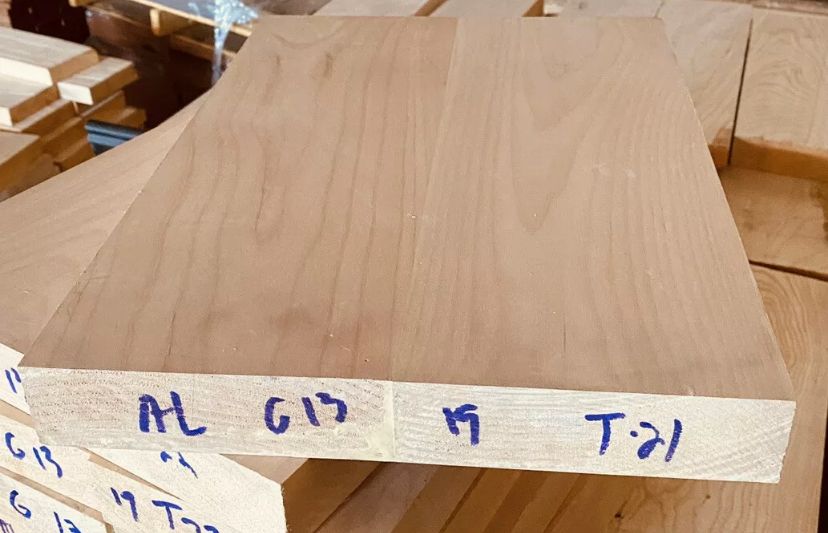
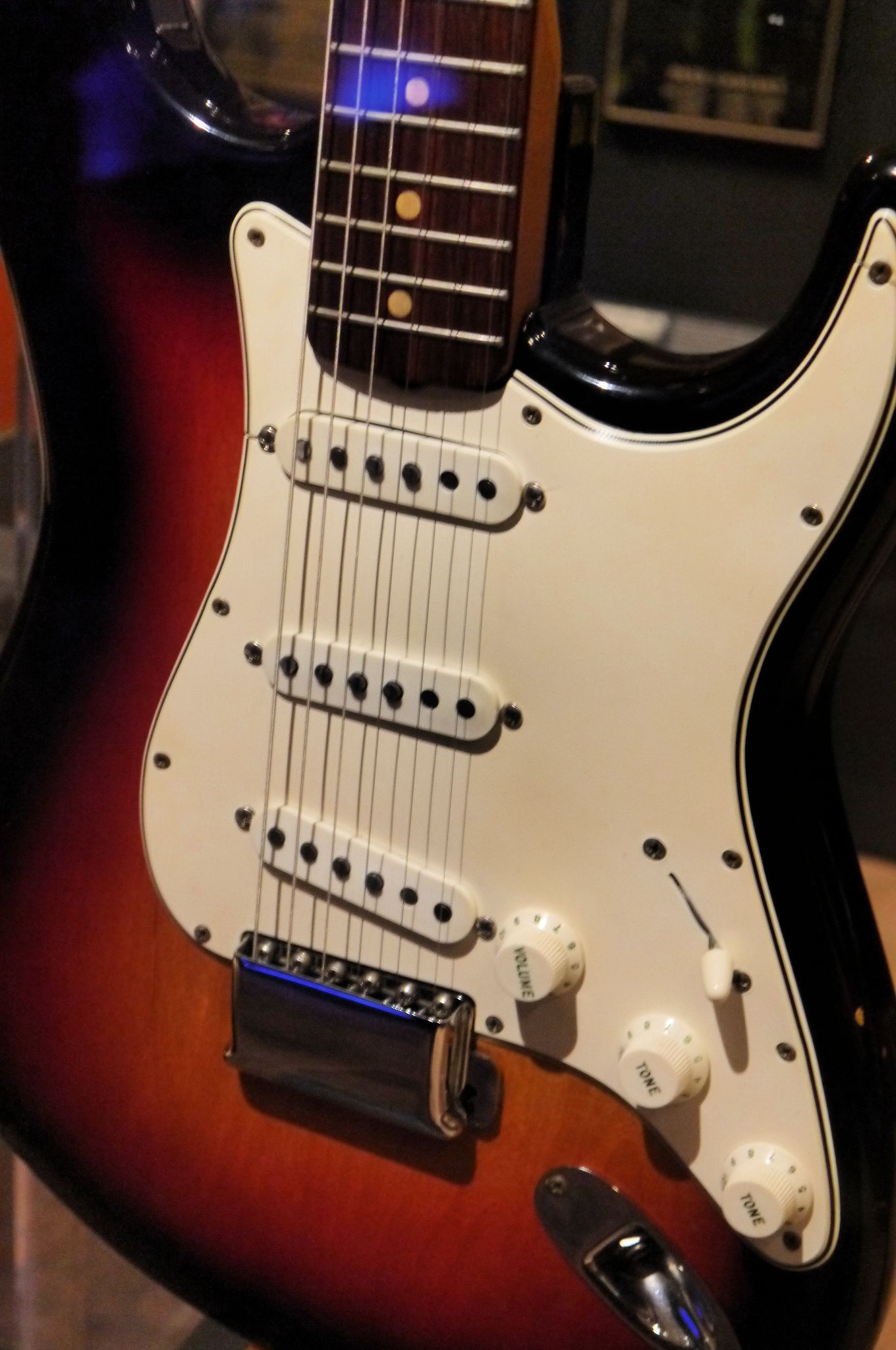
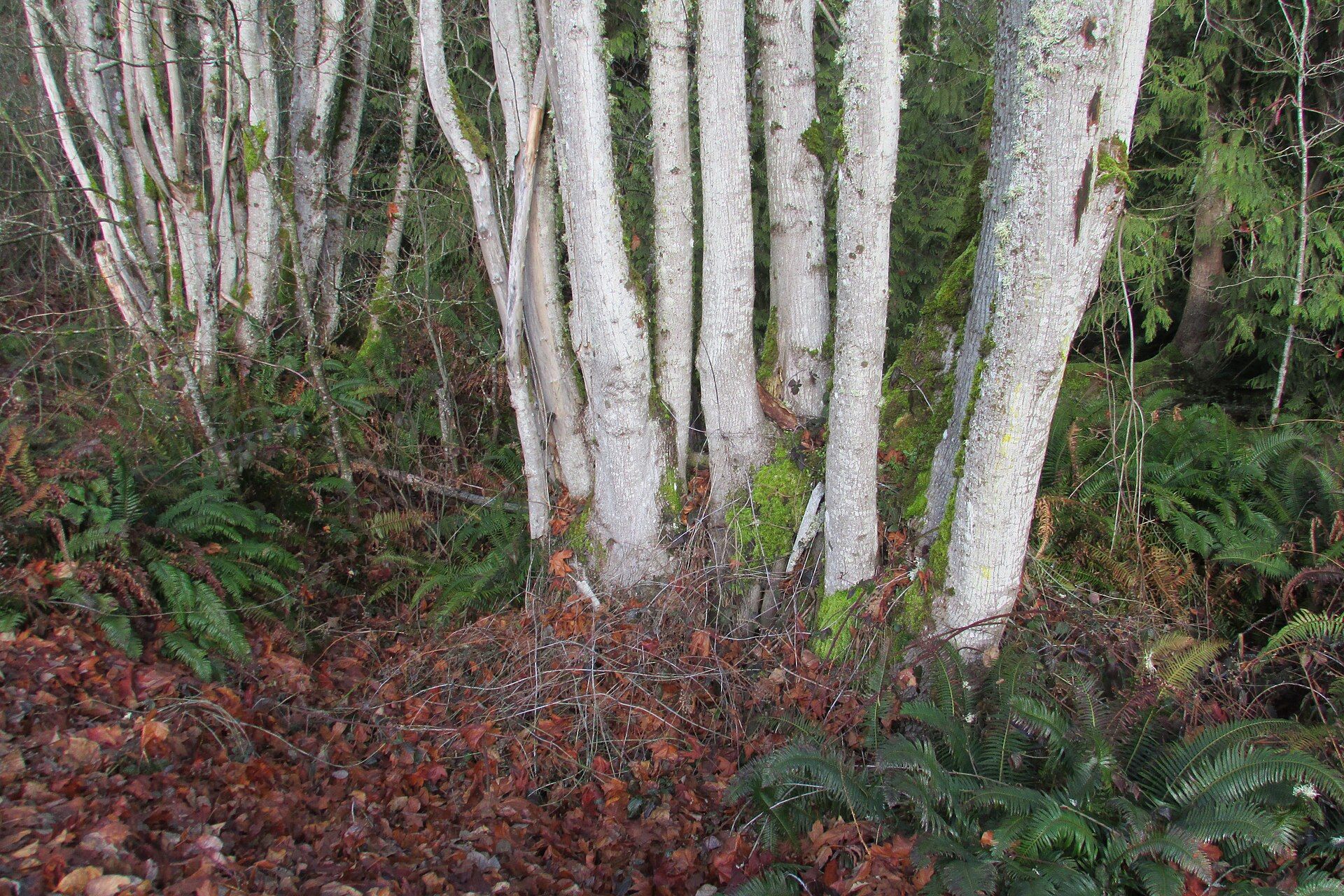
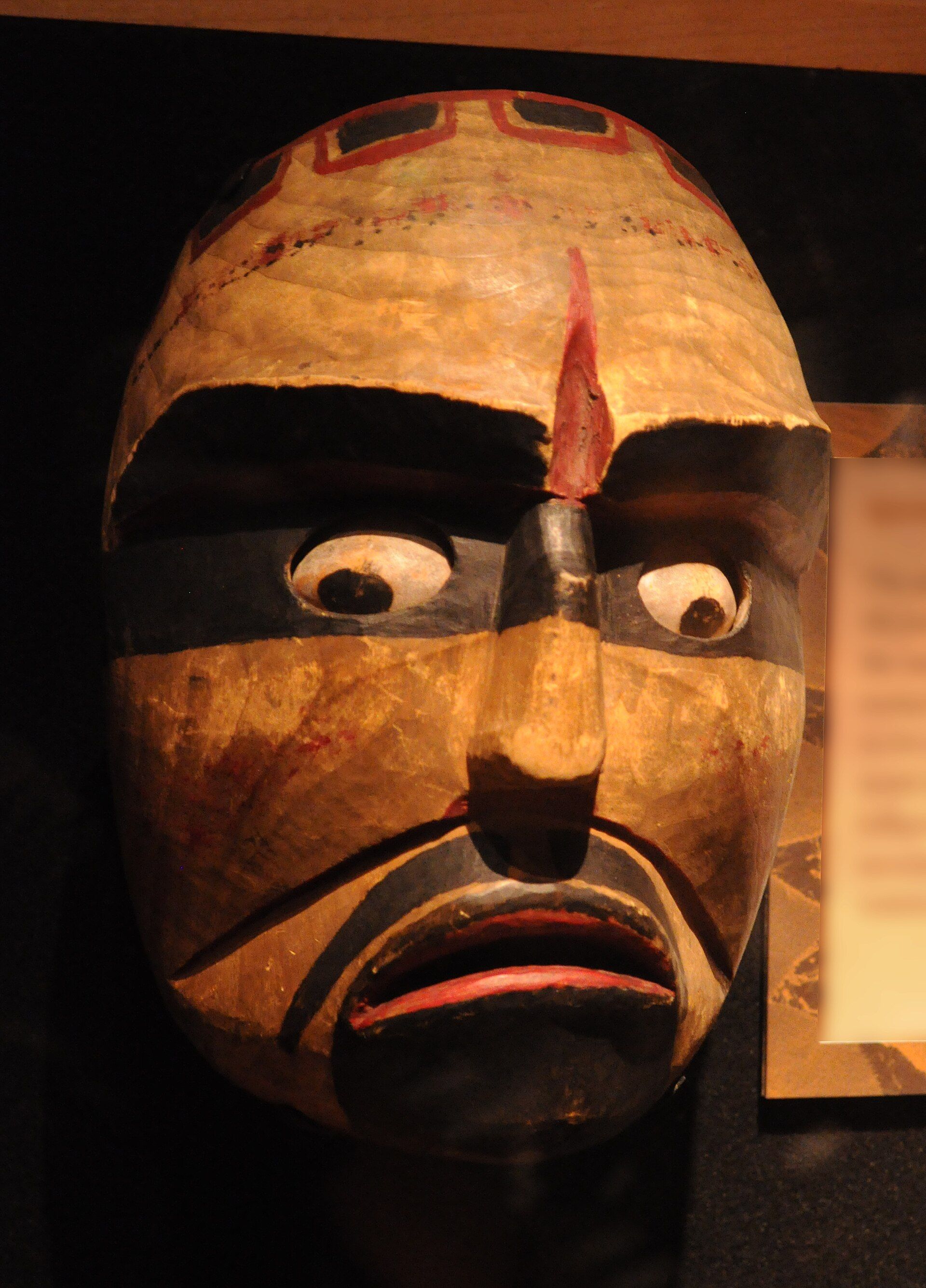
Red alderHardwood
Alnus rubra
- 590 lbf hard
- 450 kg/m³
- Outdoors: very poor
- $
A cheaper stand-in for cherry. Cabinets, furniture and guitar bodies.
- Stable once dry
- Very easy to work and sand
- Soft, so it dents
- Non-durable to perishable
Data · Photo: Stephen Ondich, CC BY-SA 4.0
Data · Photo: Eden, Janine and Jim, CC BY 2.0
Data · Photo: Chris Light, CC BY-SA 4.0
Data · Photo: Joe Mabel, CC BY-SA 3.0
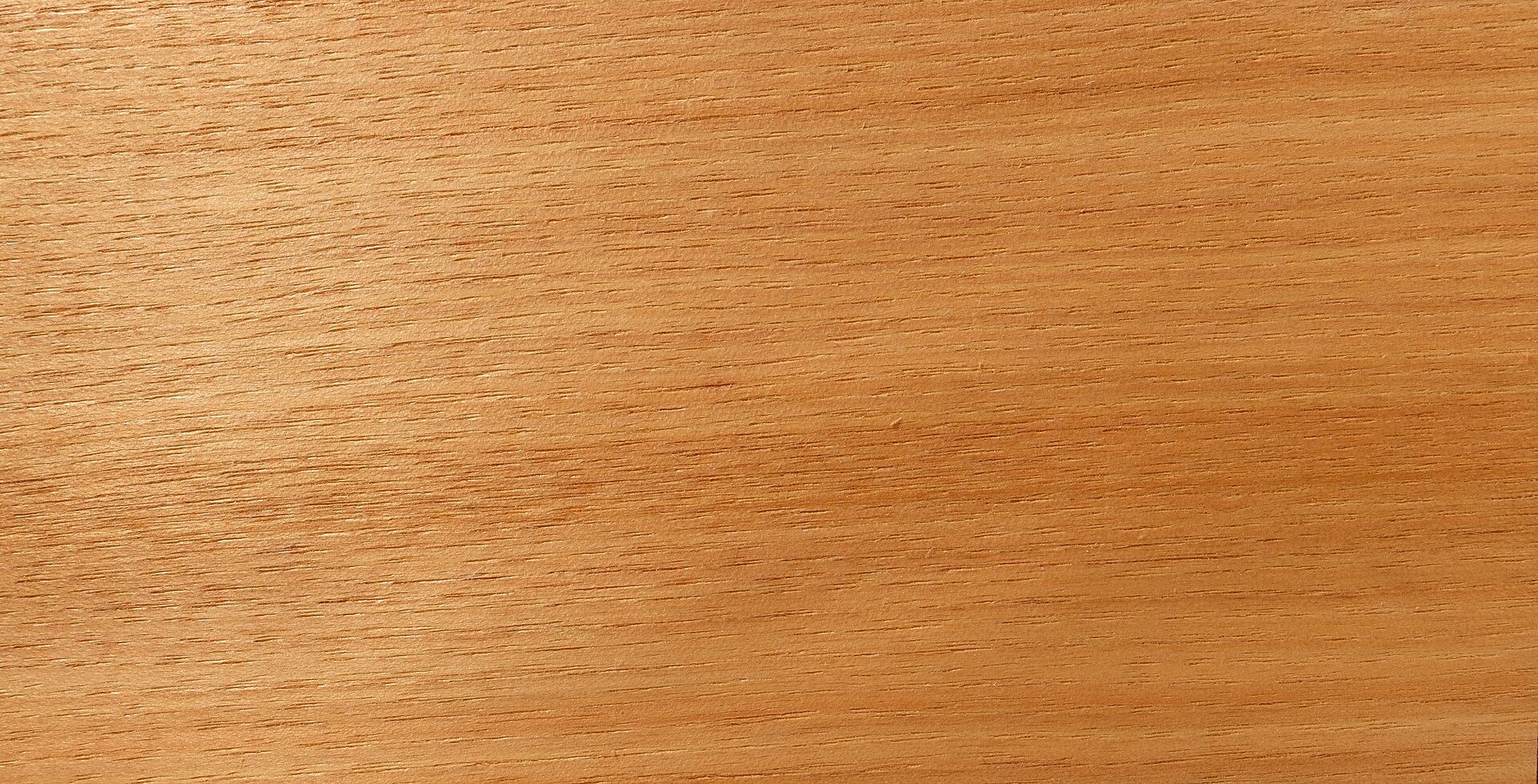
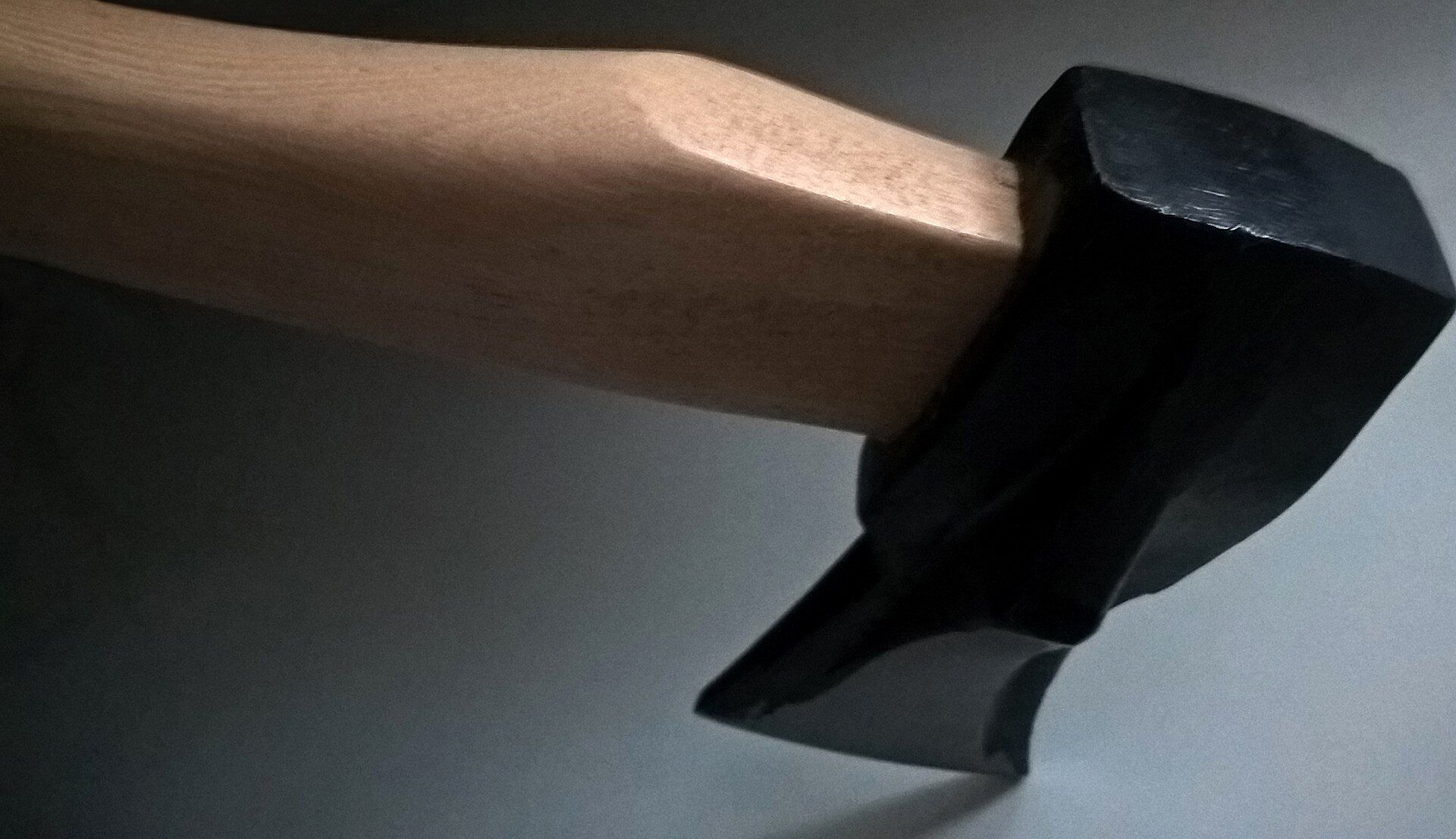
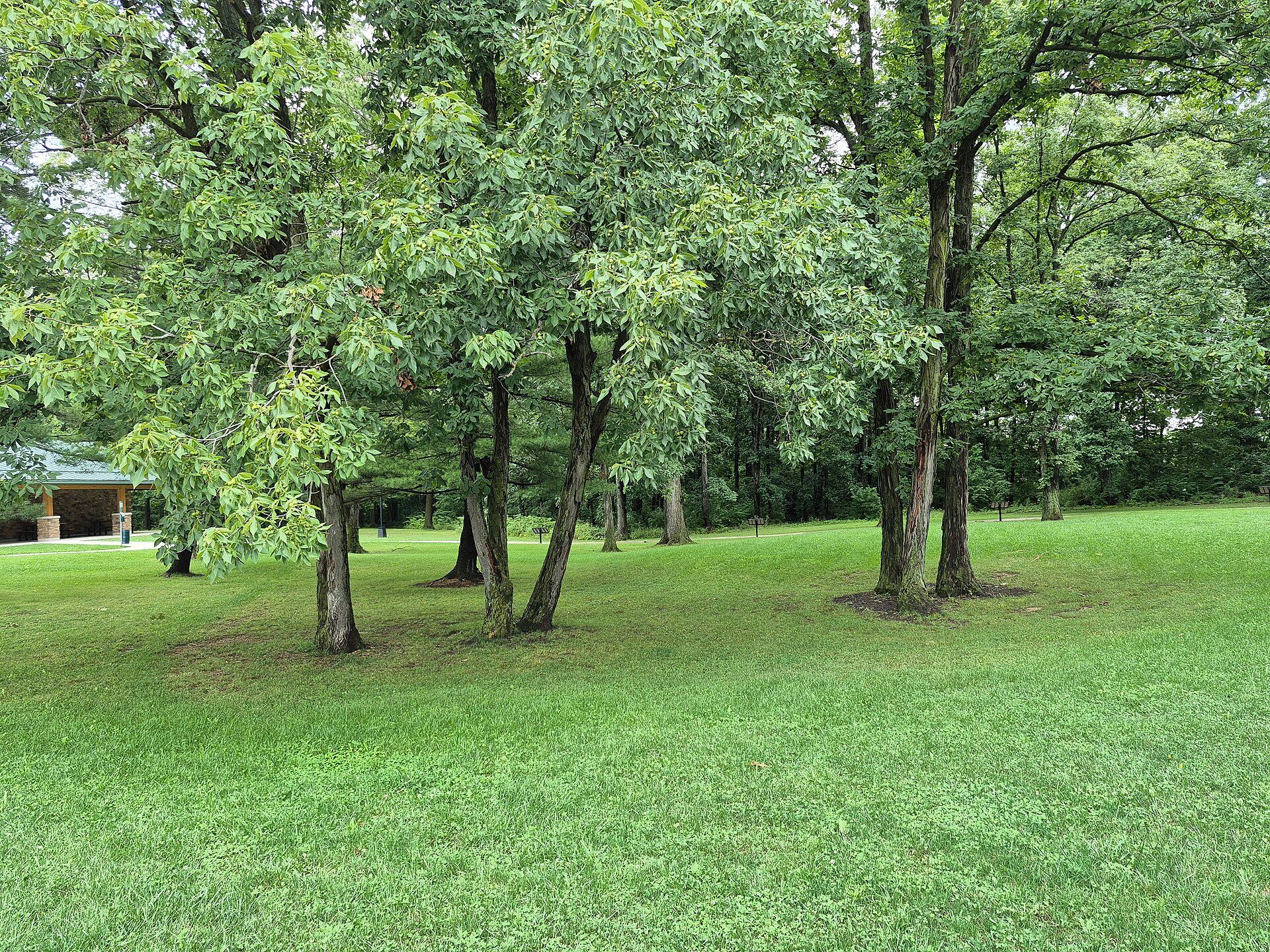
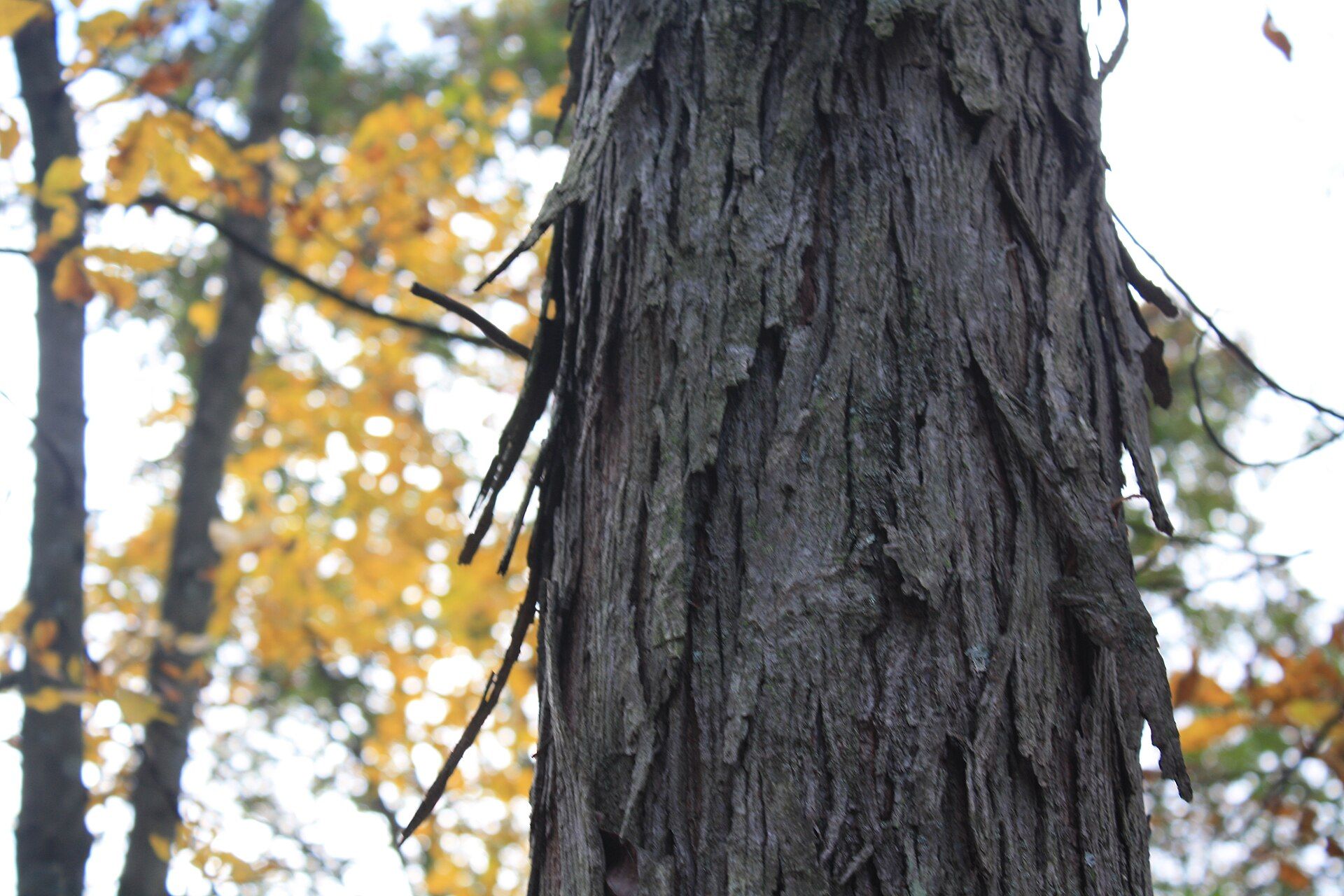
HickoryHardwood
Carya ovata
- 1,880 lbf hard
- 800 kg/m³
- Outdoors: very poor
- $
The hardest wood here after ipe. Tool handles, ladder rungs and floors.
- Harder and stiffer than white oak
- Takes shocks well
- Hard to work, blunts tools
- Very prone to insects
Data · Photo: Philipp Zinger, CC BY-SA 4.0
Data · Photo: Lupus in Saxonia, CC BY-SA 4.0
Data · Photo: Brendansoloughlin, CC BY 4.0
Data · Photo: SusquehannaMan, CC BY-SA 4.0
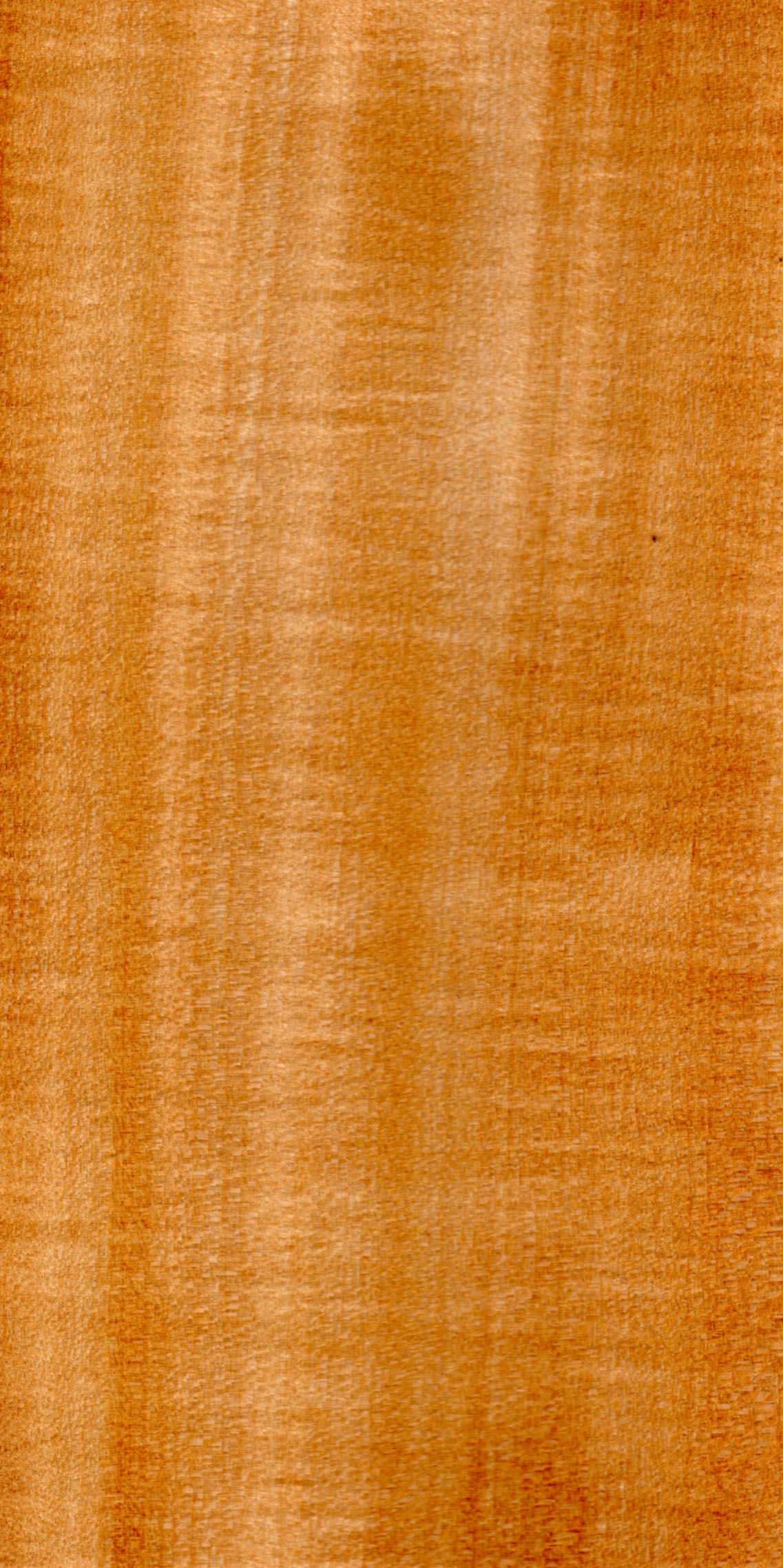
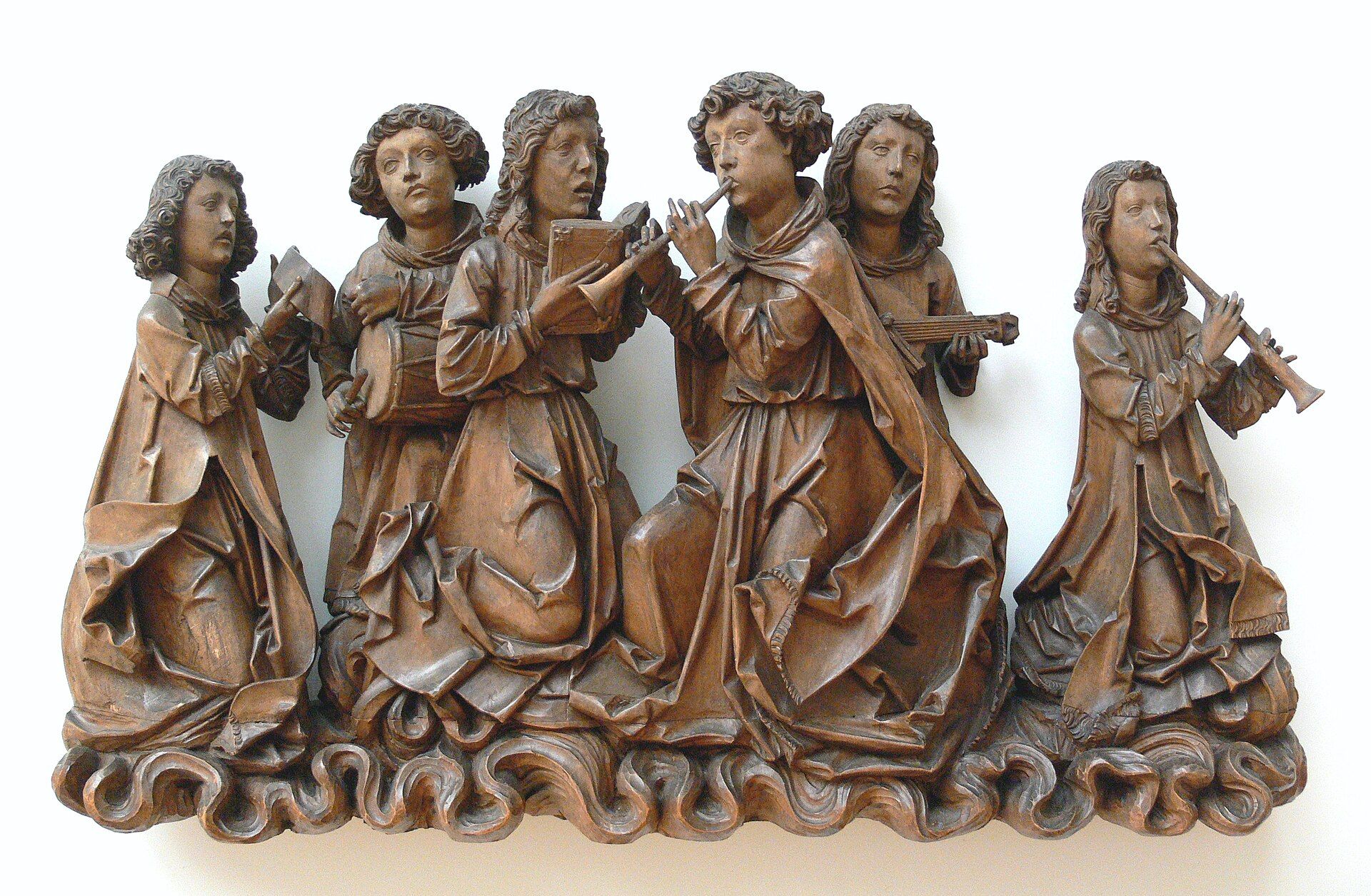
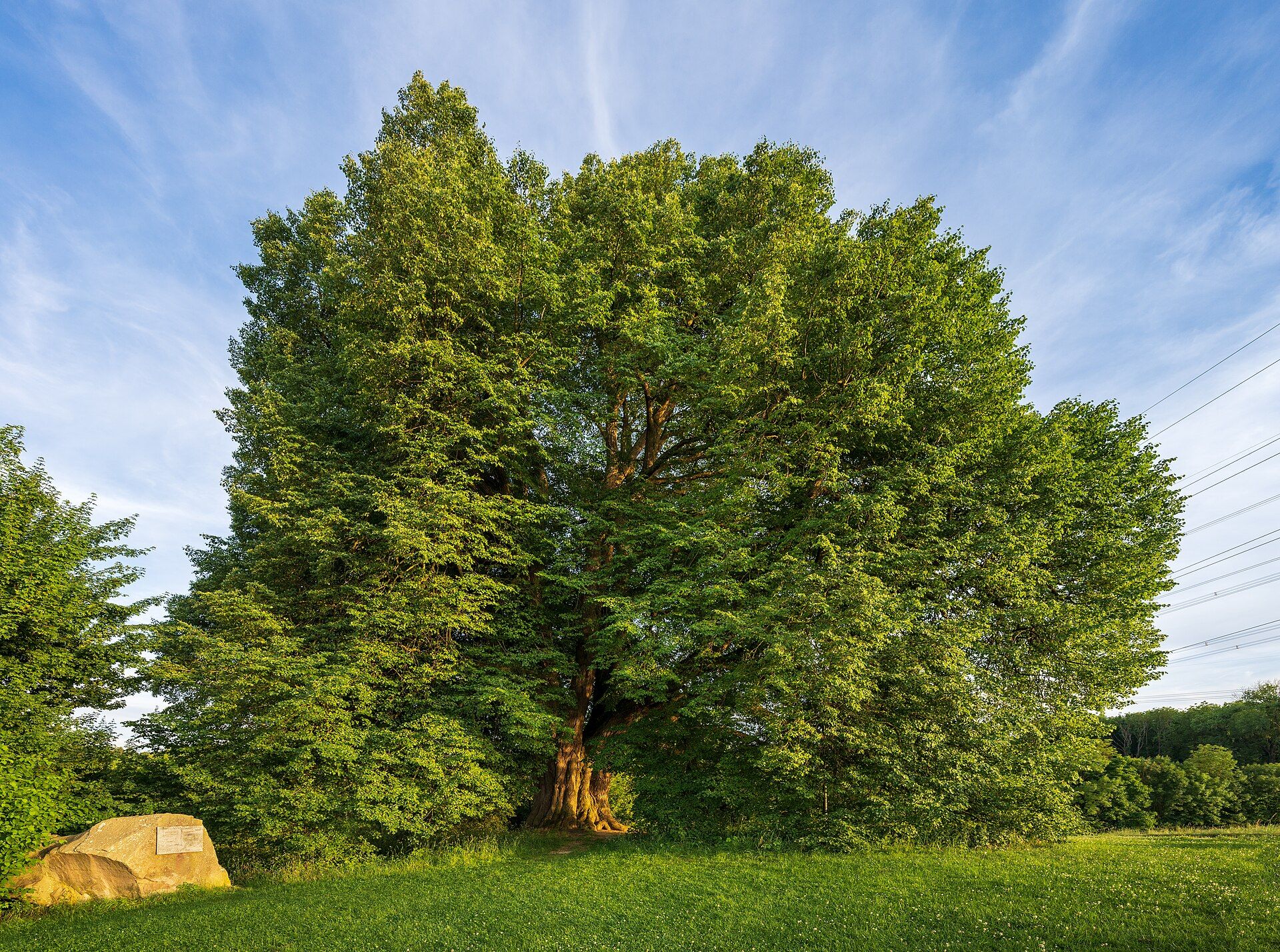
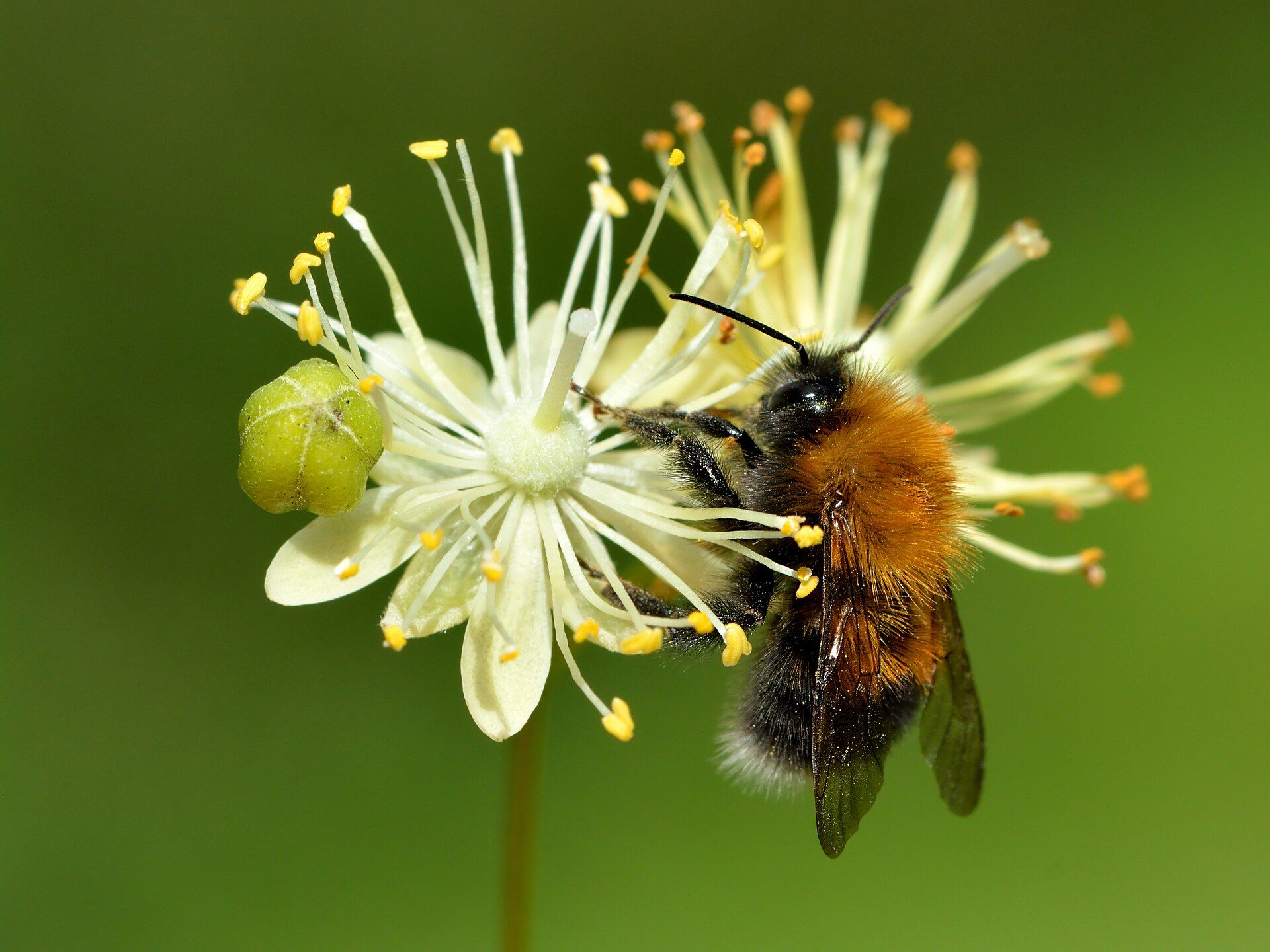
Basswood (lime)Hardwood
Tilia americana
- 410 lbf hard
- 415 kg/m³
- Outdoors: very poor
- $
Soft, even and mild. The carver's wood, and guitar bodies.
- One of the best for hand carving
- Cheap, and stable once dry
- Soft
- Holds nails poorly
Data · Photo: Achim Raschka, CC BY-SA 3.0
Data · Photo: Andreas Praefcke, Public domain
Data · Photo: Roman Eisele, CC BY-SA 4.0
Data · Photo: Ivar Leidus, CC BY-SA 4.0
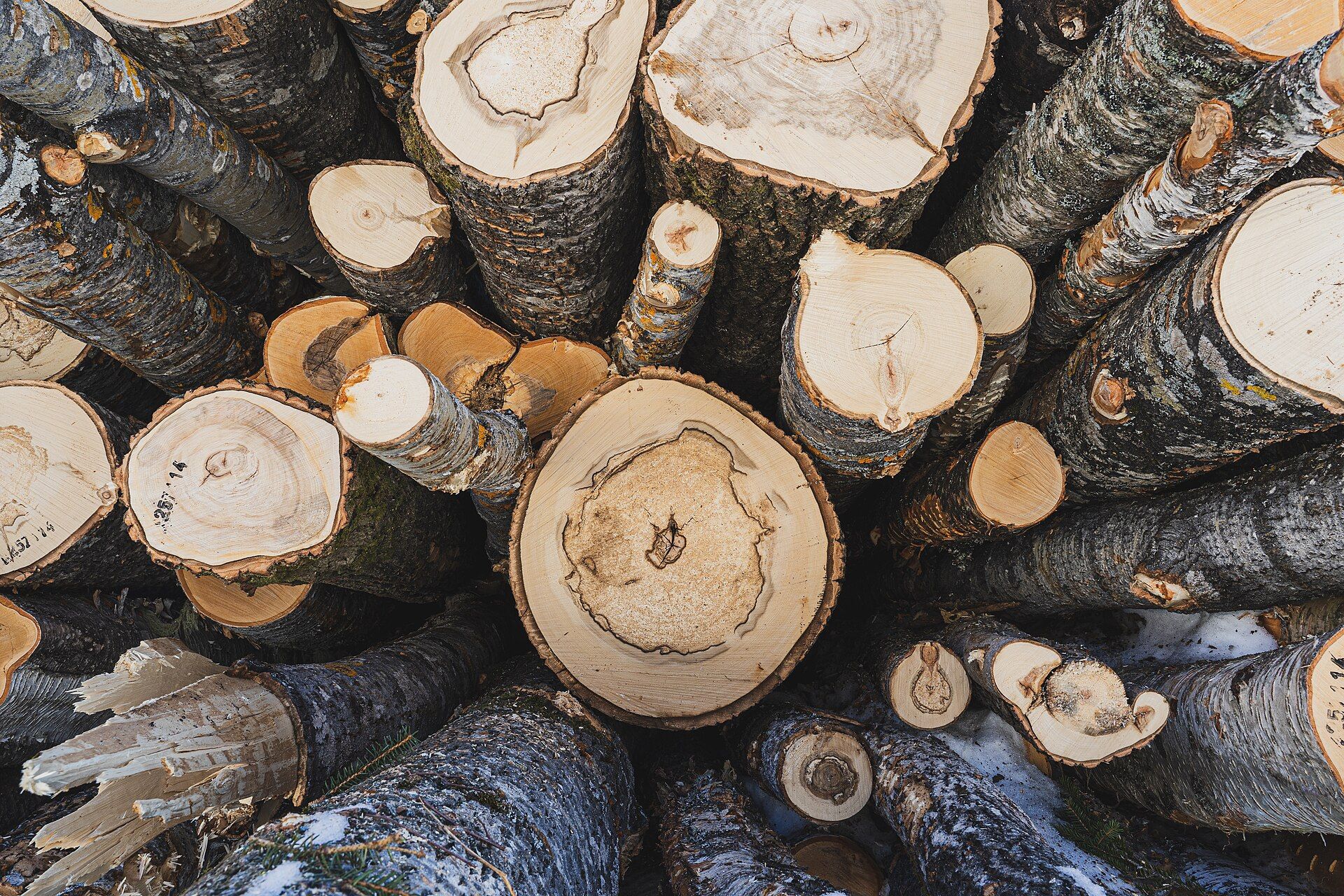
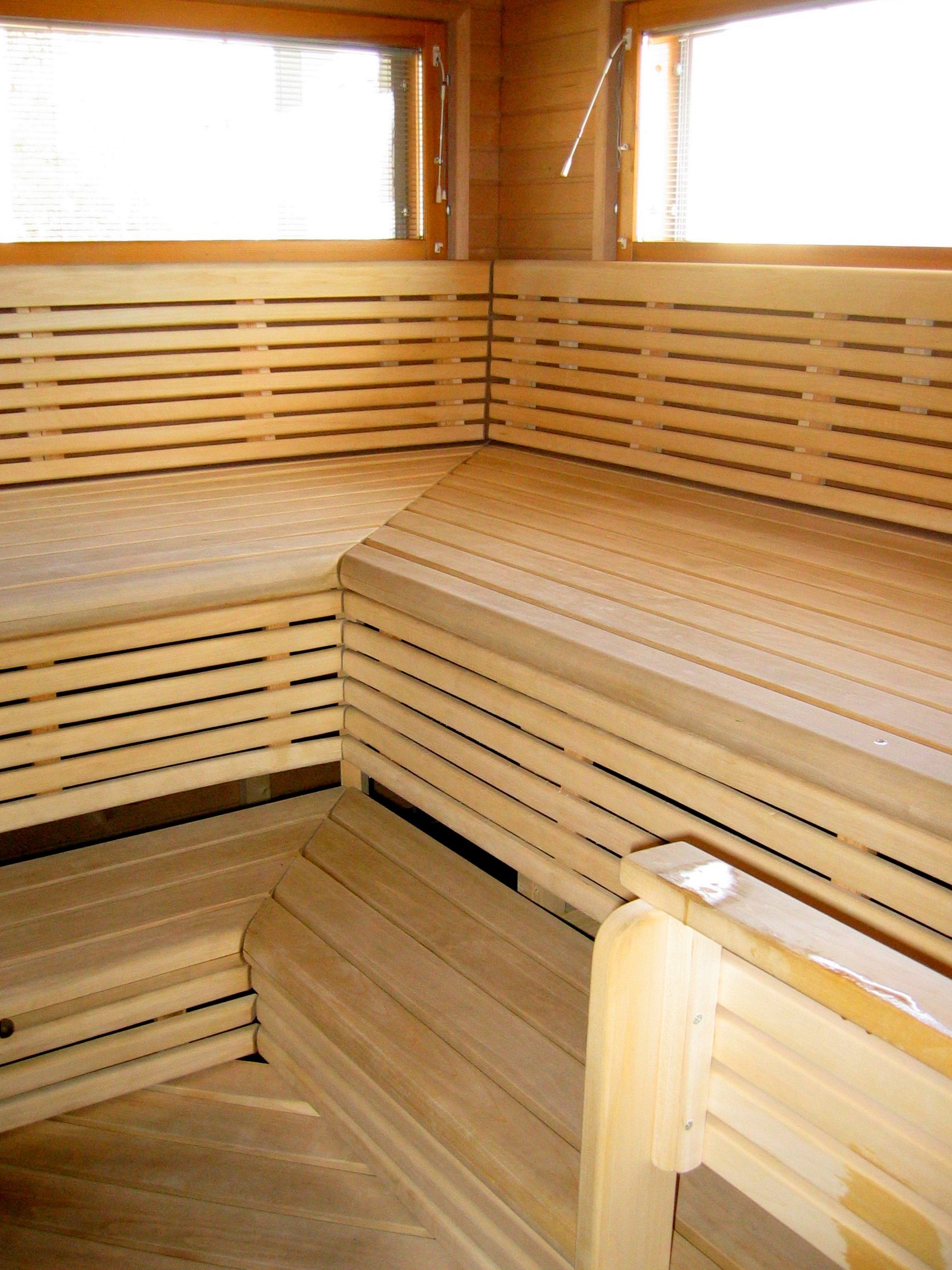
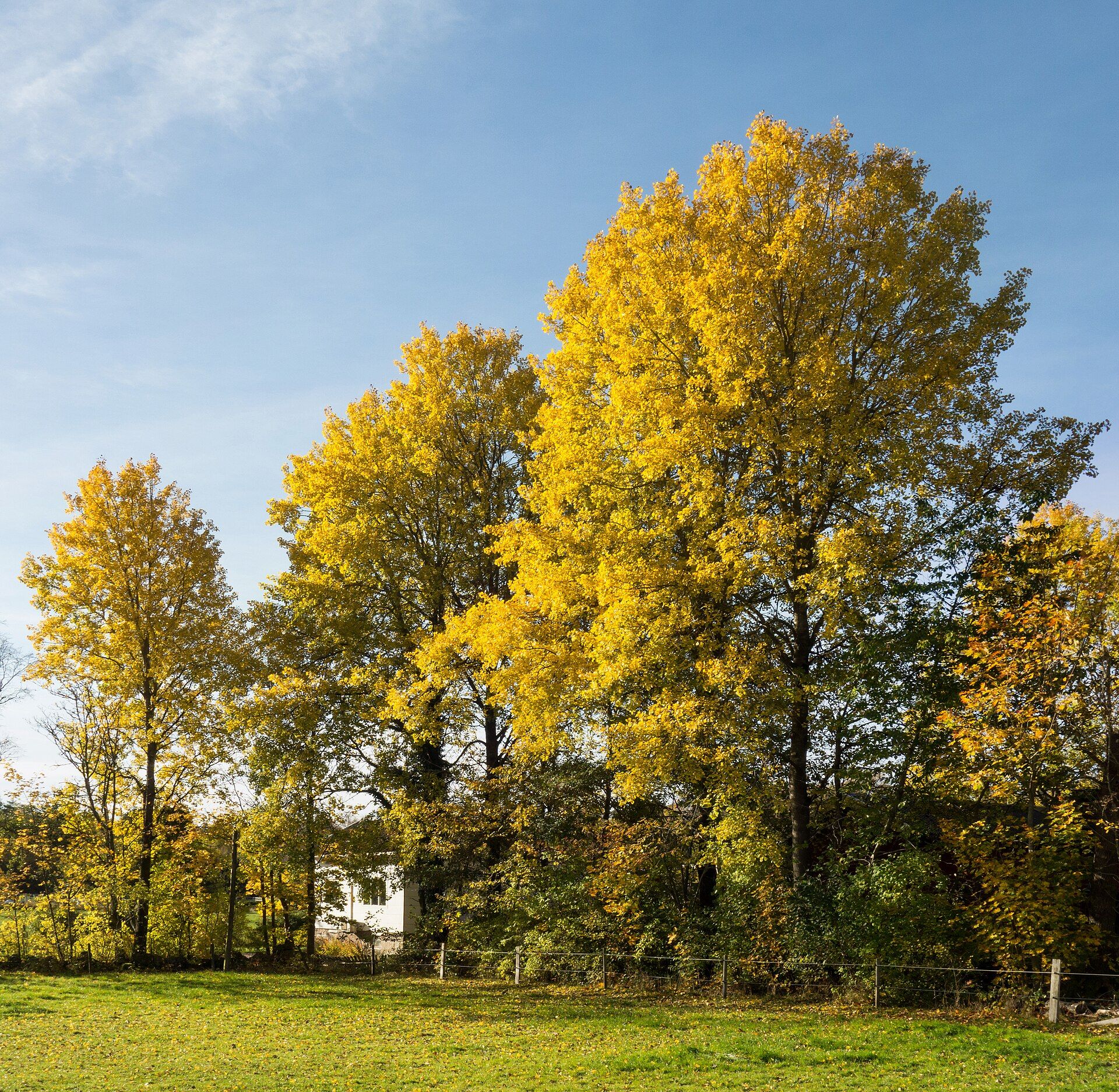
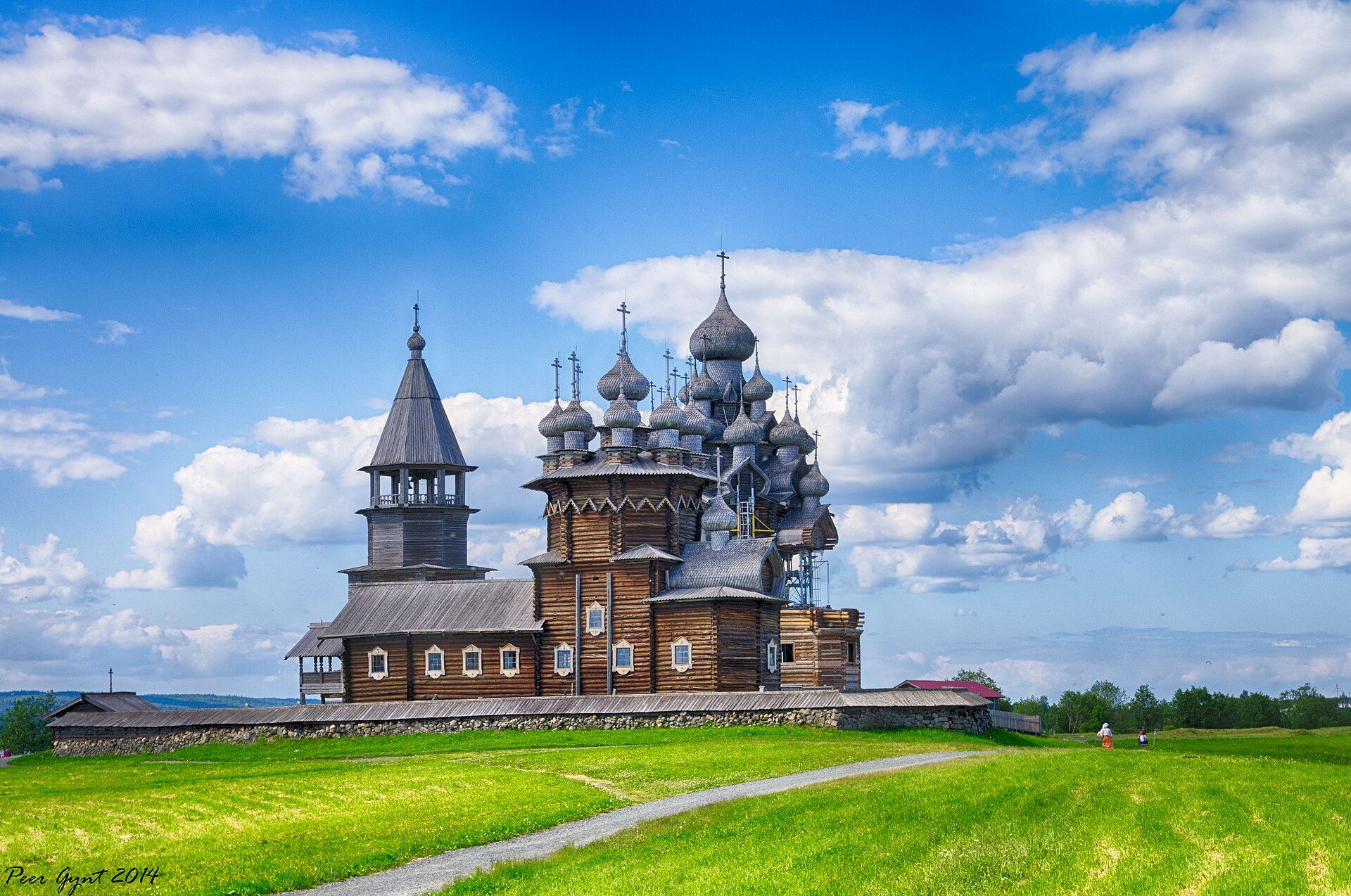
AspenHardwood
Populus tremuloides
- 350 lbf hard
- 415 kg/m³
- Outdoors: very poor
- $
Light and plain. Crates, plywood and veneer.
- Cheap
- Hard to split
- Warps while drying
- Planes fuzzy, holds nails poorly
Data · Photo: Øyvind Holmstad, CC BY-SA 4.0
Data · Photo: Riisipuuro, CC BY-SA 3.0
Data · Photo: Andrey Korchagin, CC BY-SA 2.0
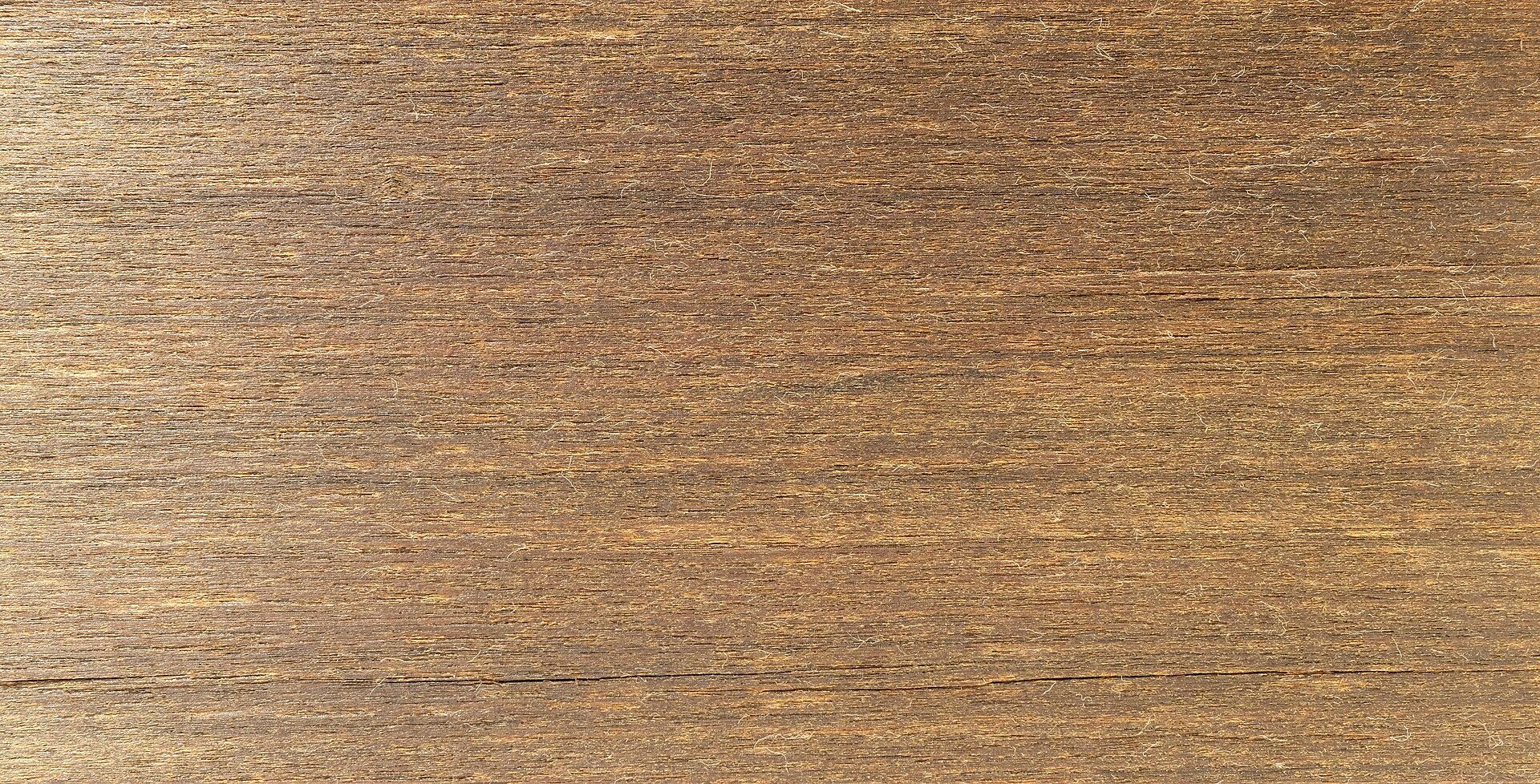
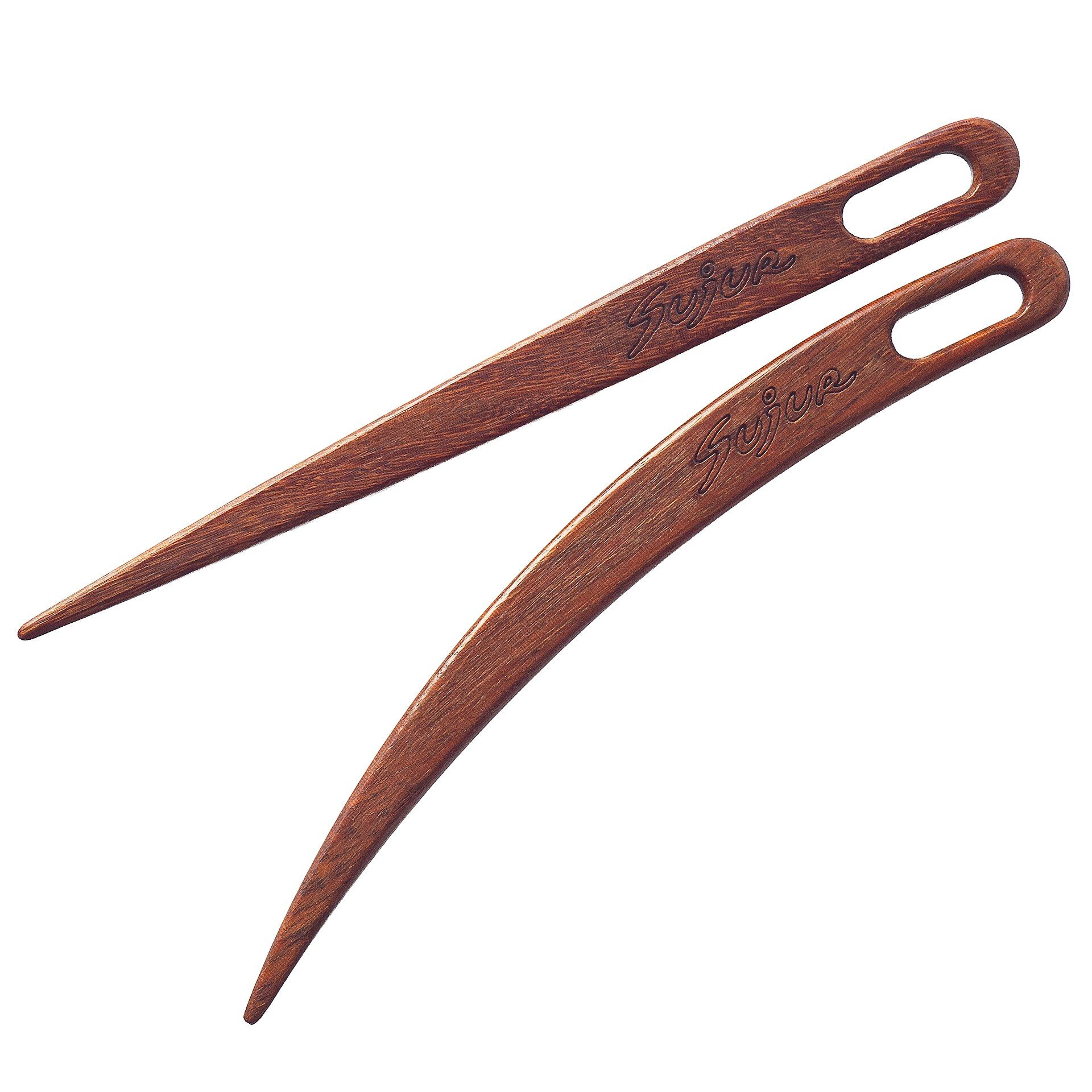
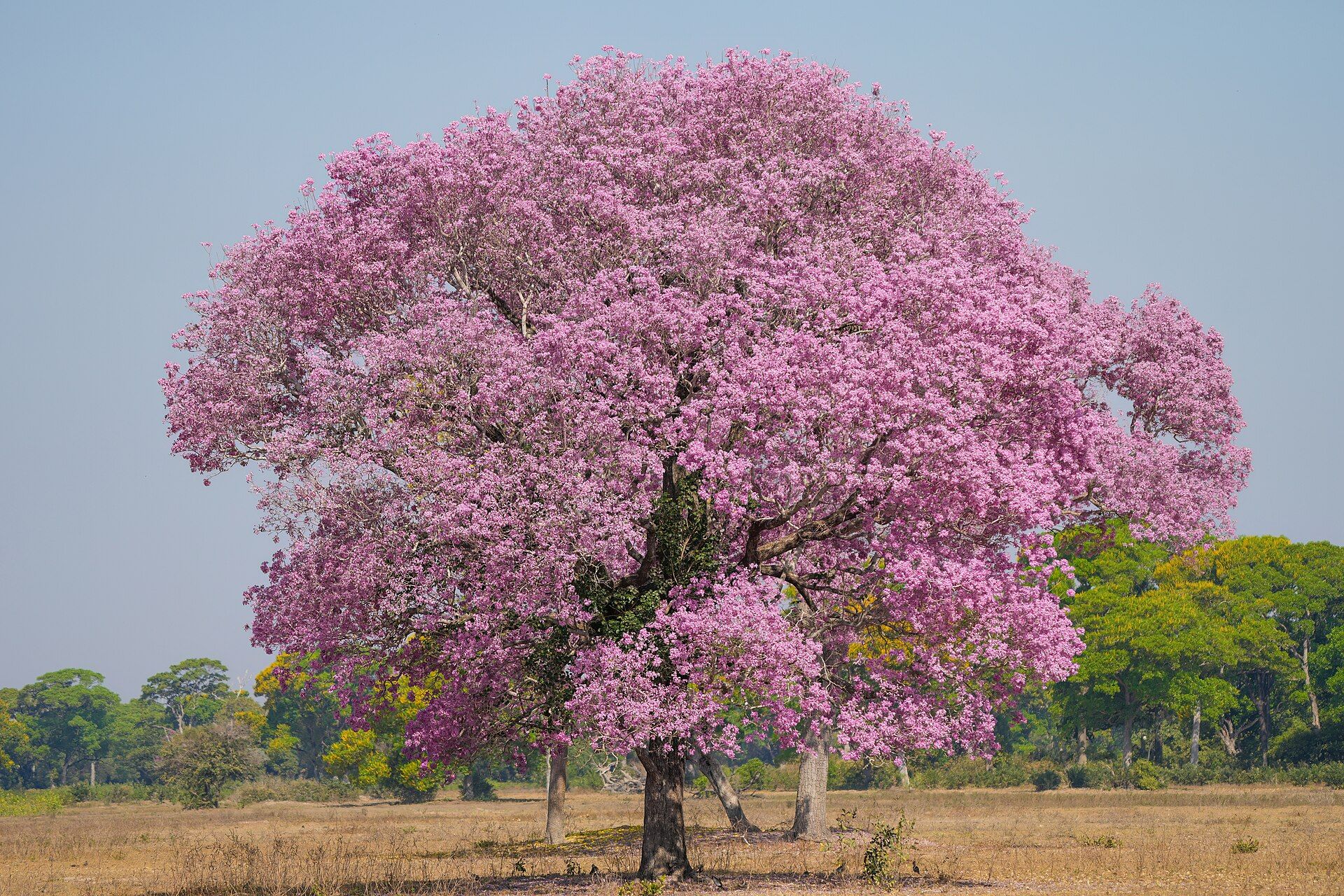
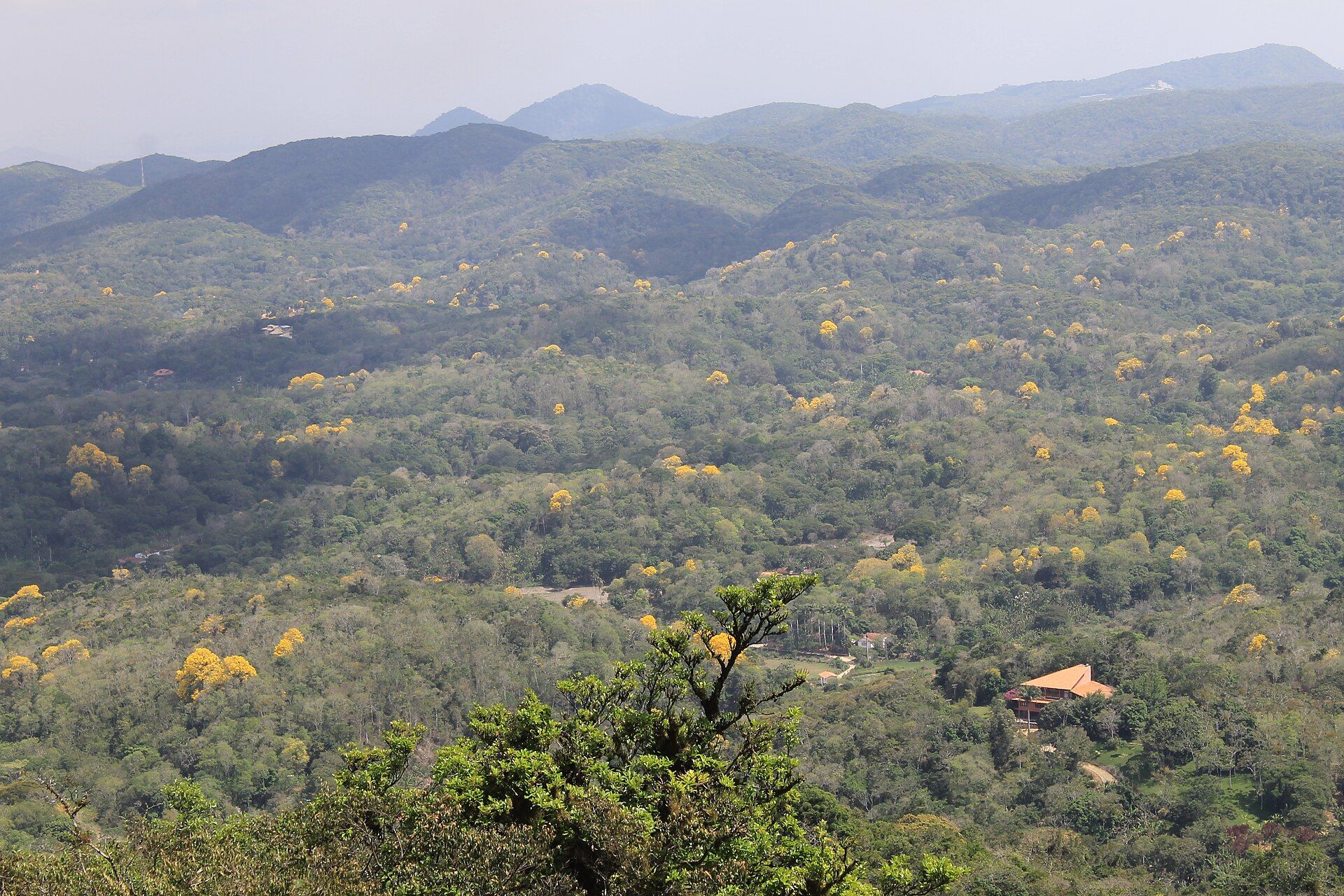
IpeHardwood
Handroanthus serratifolius and others
- 3,490 lbf hard
- 1,050 kg/m³
- Outdoors: very good
- $$$
Very hard and very durable. Decks, floors and outdoor builds.
- Very durable, weathers superbly
- By far the hardest here
- Hard to work and to glue
- Endangered, CITES-listed since 2024
Data · Photo: Philipp Zinger, CC BY-SA 4.0
Data · Photo: Fengarm, CC BY 4.0
Data · Photo: Giles Laurent, gileslaurent.com, CC BY-SA 4.0
Data · Photo: Francisco Levi Jucá Sales, CC BY-SA 4.0
How hard is each wood?
Hardness here is the Janka test: the force it takes to push a steel ball 11.28 mm across halfway into the wood. Harder wood dents less, which matters for floors and table tops, but it’s also harder on your tools.
SoftwoodHardwood
Show as a table
| Wood | Janka hardness |
|---|---|
| Ipe | 3,490 lbf |
| Hickory | 1,880 lbf |
| Ash | 1,480 lbf |
| European beech | 1,450 lbf |
| Hard maple | 1,450 lbf |
| Sapele | 1,360 lbf |
| White oak | 1,350 lbf |
| Red oak | 1,220 lbf |
| Birch | 1,210 lbf |
| Iroko | 1,190 lbf |
| European oak | 1,120 lbf |
| Teak | 1,070 lbf |
| Black walnut | 1,010 lbf |
| Black cherry | 950 lbf |
| Southern yellow pine | 870 lbf |
| African mahogany | 850 lbf |
| European larch | 740 lbf |
| Radiata pine | 710 lbf |
| Douglas fir | 620 lbf |
| Red alder | 590 lbf |
| Scots pine | 540 lbf |
| Western hemlock | 540 lbf |
| Yellow poplar | 540 lbf |
| Sitka spruce | 510 lbf |
| Bald cypress | 510 lbf |
| Basswood (lime) | 410 lbf |
| Norway spruce | 380 lbf |
| Eastern white pine | 380 lbf |
| Western red cedar | 350 lbf |
| Aspen | 350 lbf |
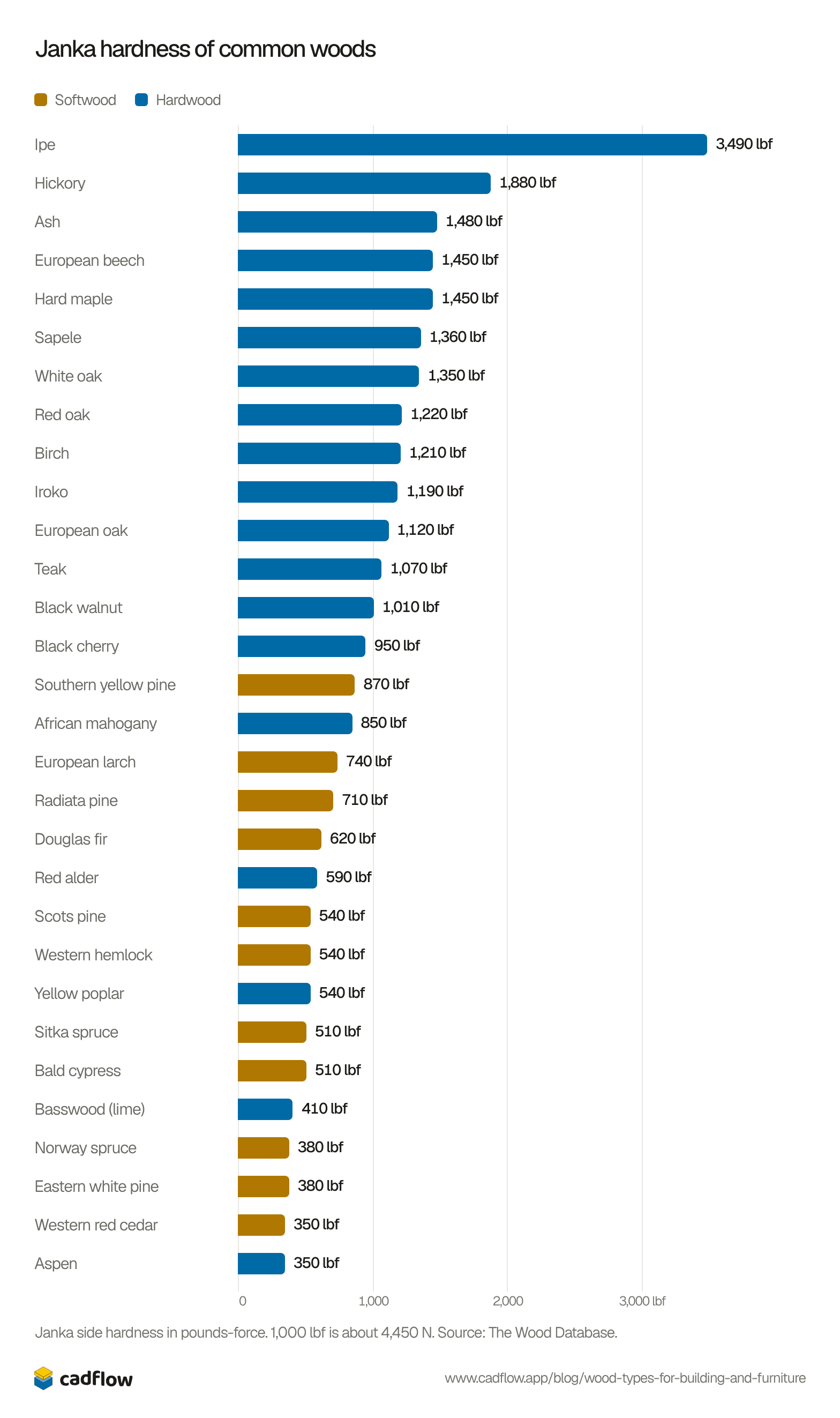
Softwood and hardwood are botanical names, not a measure of hardness. Softwoods come from conifers and hardwoods from broadleaf trees, so aspen and basswood are hardwoods that are softer than Douglas fir, and southern yellow pine is harder than yellow poplar.
Which woods last outdoors?
Wood left outside rots unless it’s naturally durable, treated, or kept dry. The European standard EN 350 puts each wood’s heartwood in one of five classes. Sapwood, the paler outer wood, isn’t durable in any of them, so cut it away or treat it.
SoftwoodHardwood
Moderately durable
Slightly durable
The heartwood of each wood in its EN 350 class. Where sources give a range we use the better class; woods without an EN 350 class are placed by the US Forest Products Laboratory’s grouping. Durability also depends on where a tree grew: teak ranges from class 1 to 3 by origin, and one German test found European oak in ground contact did far worse than its class 2.
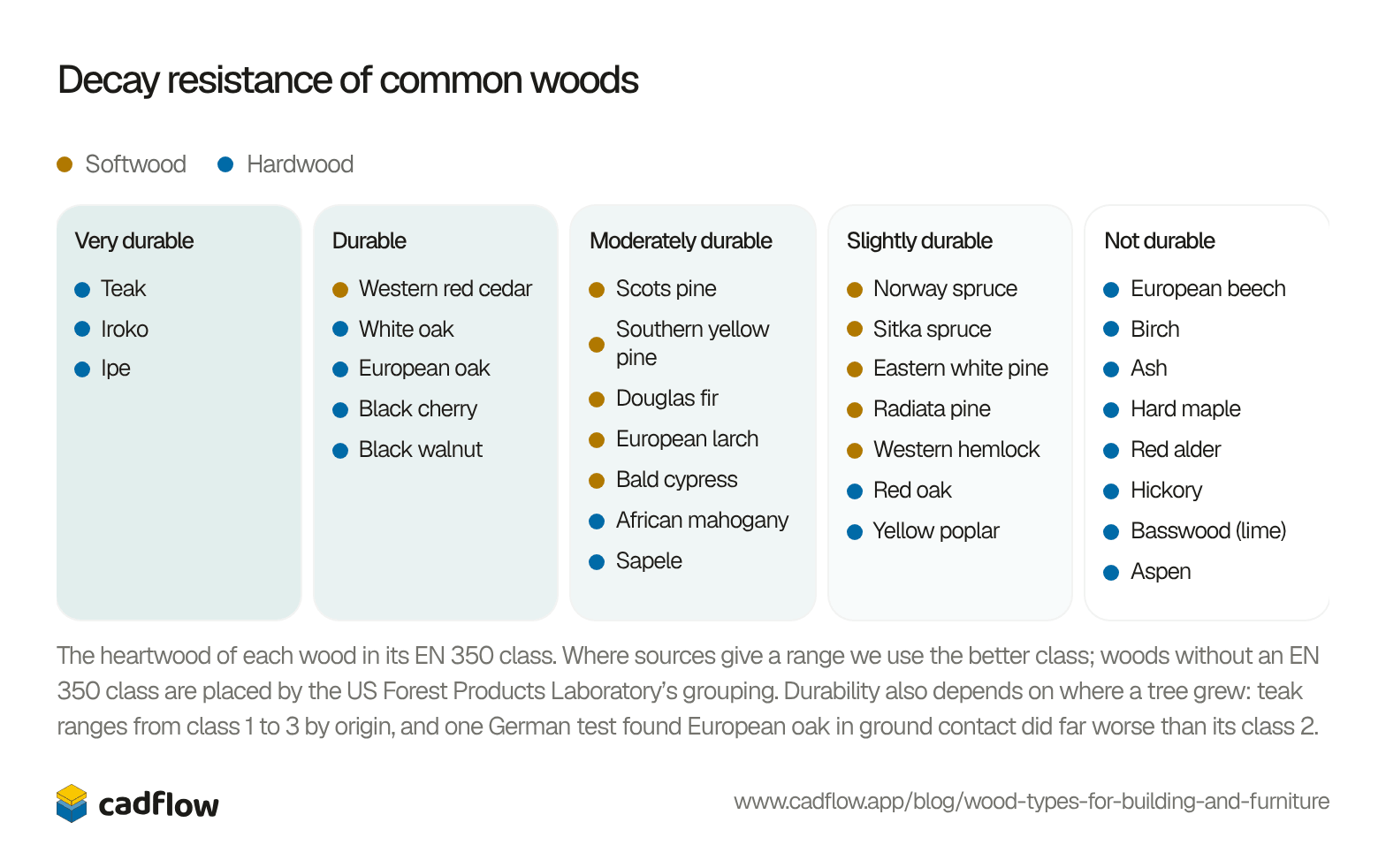


Keeping wood off the ground and letting it dry out helps even the durable ones. Pressure-treated pine, such as southern yellow pine in the US, is the cheap way around all of this.
Prices
Prices change too much from country to country to list. The dollar signs on each card are our reading of how The Wood Database describes each price, from inexpensive ($) to very expensive ($$$$), and they compare woods within their own group. Take them as a rough guide untill you’ve asked your local timber yard.
Before you start sawing
Sawdust from many of these woods can irritate your skin or lungs. The Wood Database lists the spruces, the oaks, birch, walnut, teak and iroko as sensitizers, warns that western red cedar dust raises the risk of asthma, and links long-term exposure to beech dust with nasal cancer. A dust mask and extraction are definately worth it.
We make CadFlow, CAD in the browser for parts you’re going to print, cut or saw. You draw on a plank the way you’d pencil a line, and pick where the saw cuts. It isn’t public yet.
Questions people ask
What wood are houses built from?
Mostly softwood: spruce, pine and fir in Europe, and spruce, pine and fir (SPF), southern yellow pine, Douglas fir and hem-fir in North America. They're light, straight, cheap and strong enough, and the framing stays dry inside the walls.
Which wood is best for outdoor furniture?
Teak, iroko and ipe are the most durable here. White oak, European oak, larch, western red cedar and cypress cost less and still last well outdoors. Red oak, beech, birch and maple rot quickly outside.
What's the best wood for a workbench or butcher block?
Hard maple and beech: both are hard, close-grained and moderately priced. Hard maple is the classic for butcher blocks.
Is oak a hardwood or a softwood?
A hardwood. So are aspen and basswood, which are softer than most pines. Hardwood just means the tree is broadleaf; softwoods are conifers.
Which of these woods are endangered?
Ipe is CITES-listed since November 2024 and its main species is listed as Endangered by the IUCN. African mahogany is CITES-listed too, sapele and one of the two iroko species are listed as Vulnerable, and American white ash is critically endangered because of the emerald ash borer. Ask for FSC or PEFC certified wood if you buy these.
Sources
- Density and hardness, uses, pros and cons: The Wood Database, each wood’s page linked from its card. Density is at 12% moisture.
- Durability classes (EN 350:2016): CIRAD Tropix for the tropical woods and poplar, Teknos data sheets, Lignum, Edinburgh Napier and ATIBT.
- US decay groupings: Forest Products Laboratory, Research Note FPL-0153.
- European oak in ground contact: LWF Bayern, Das Holz der Eiche.
- Ipe’s CITES listing: CoP19 proposal 44, in effect since 25 November 2024.
- Photos: Wikimedia Commons, credited under each photo. Most of the close-ups are oiled veneer samples by Philipp Zinger.
History of this post
- Published
Read next
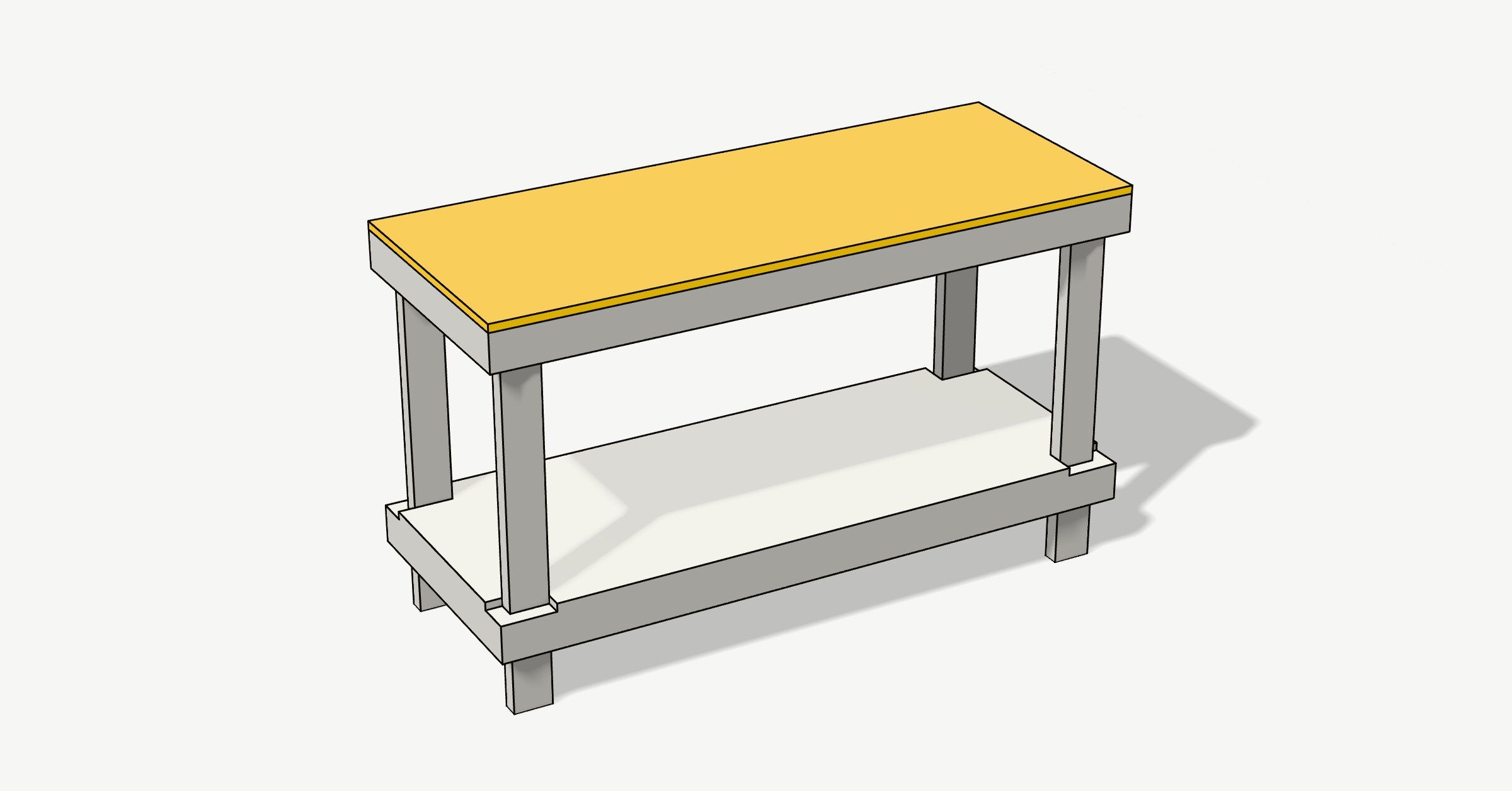
2x4 workbench plans: a sturdy bench from six boards and a sheet of plywood
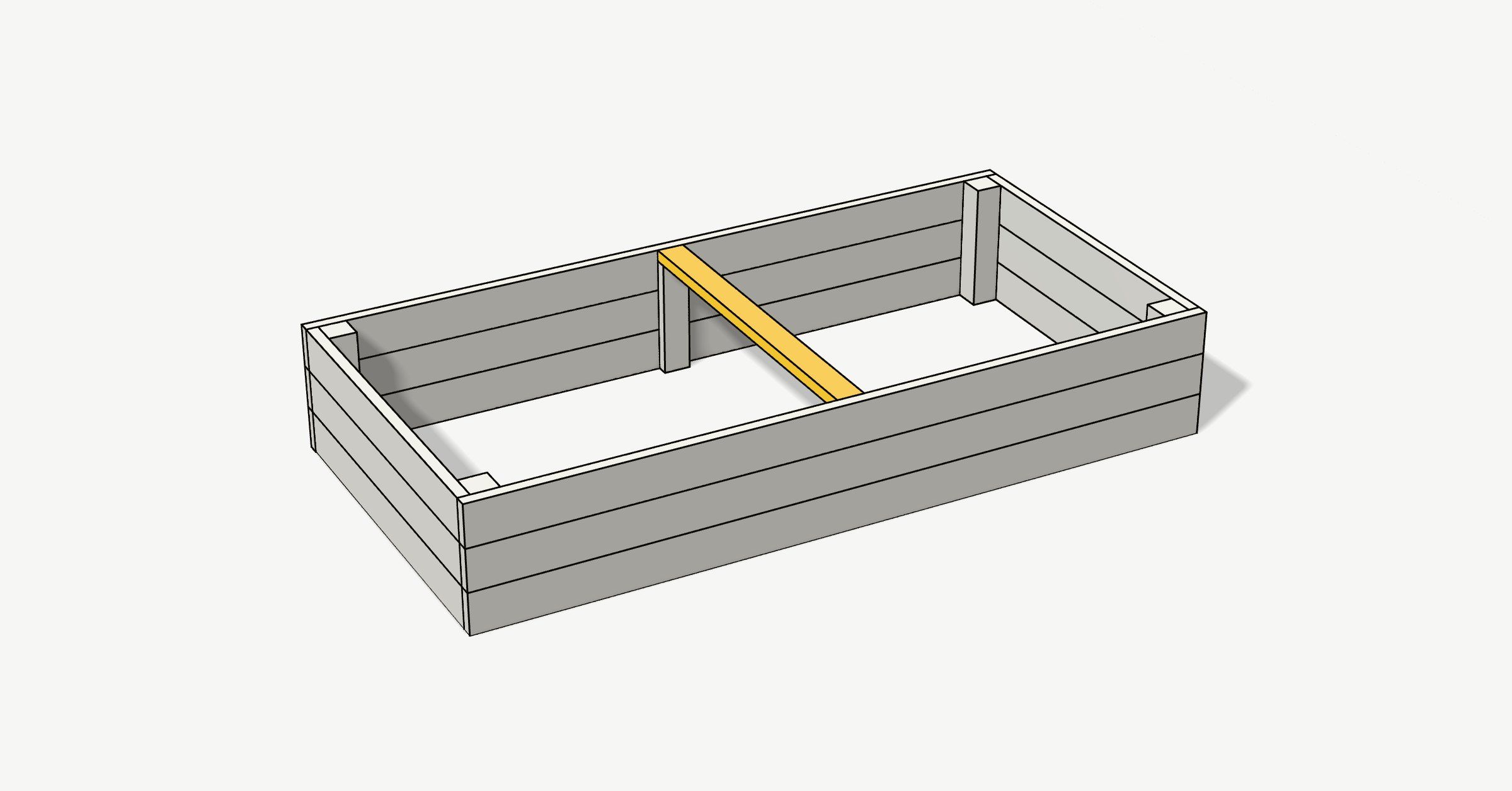
Raised garden bed plans: a 4 × 8 ft bed from nine 2x6s
Metric bolt size chart: spanner and hex key sizes, M2 to M24


This blog is by the team making CadFlow, where you build your project in 3D and show how it goes together.
See how CadFlow works