
Which belt is it?
The profile is printed on the back of the belt: GT2, 2GT, 2MGT, HTD 5M, T5 or 180XL. If it's worn off, look at the teeth and measure the pitch over ten of them.
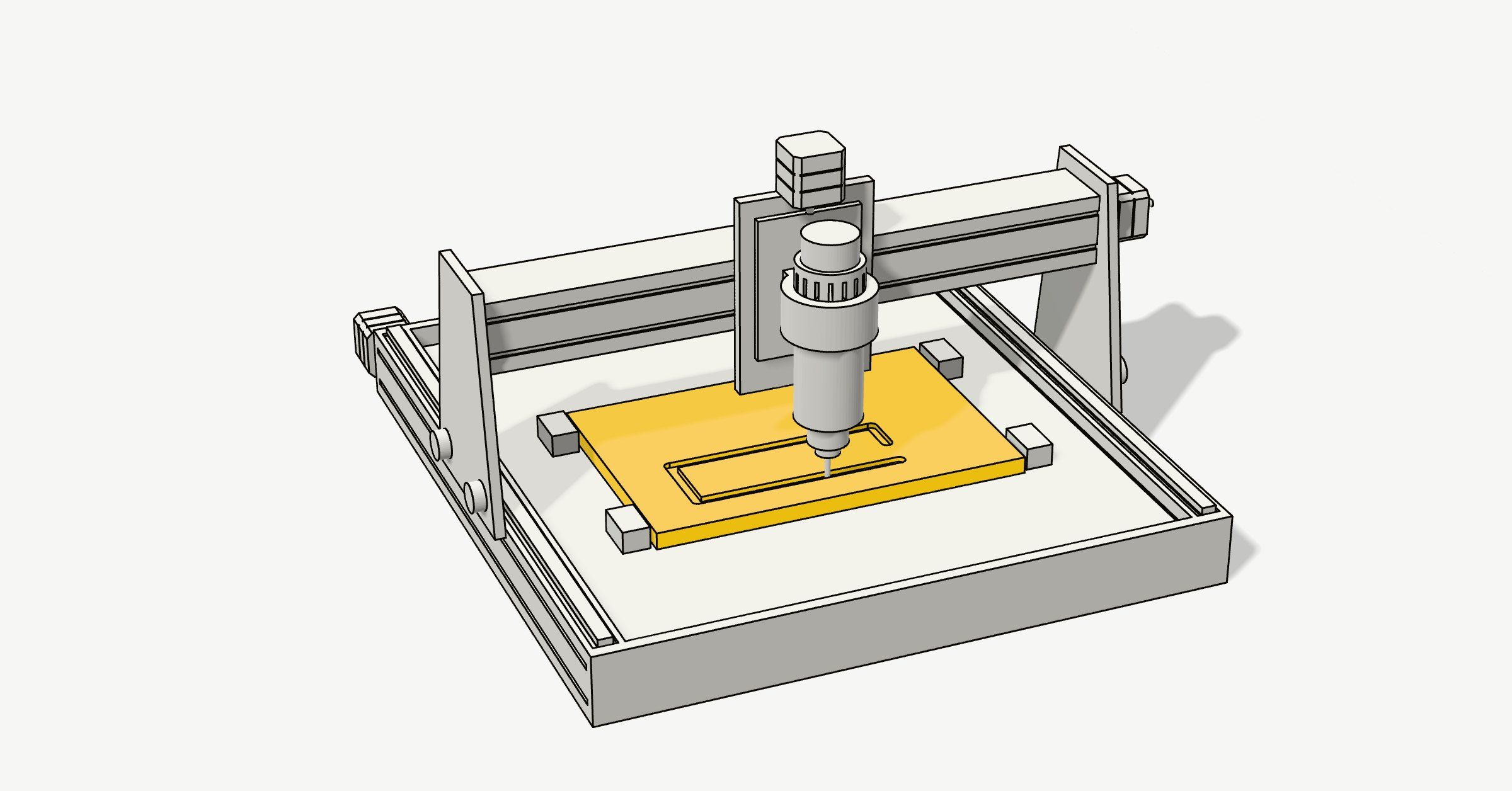
- GT2 (also 2GT or 2MGT): 2 mm pitch, rounded teeth, a belt about 1.4 mm thick. The belt of most 3D printers, laser engravers and small CNC machines, because it barely shifts when the motor reverses.
- HTD 3M and 5M: 3 or 5 mm pitch, deep round teeth, for more torque: CNC axes, spindles and robots.
- T2.5 and T5: 2.5 or 5 mm pitch, trapezoid teeth, the older metric standard (DIN 7721), often polyurethane belts with steel cords.
- MXL and XL: inch pitches of 2.032 and 5.08 mm, trapezoid teeth. Found in older printers, scanners and machines from the US.
Ten teeth of GT2 measure 20 mm, of MXL 20.3 mm: close enough to look alike, but an MXL belt on a GT2 pulley climbs out of the grooves under load. Match the name, not just the pitch.
Pitch diameter and outside diameter
A belt bends round a pulley along its cords, which run inside the belt just above its teeth. That line is the pitch line, and where it wraps the pulley is the pitch circle. Its diameter is the number of teeth times the pitch, divided by π, and it's the one that sets speeds and belt lengths.
The pulley itself is smaller by the pitch line differential: 0.508 mm for GT2, MXL and XL, 0.762 mm for HTD 3M and 1.143 mm for HTD 5M. That's the number to check with calipers: a 20-tooth GT2 pulley measures 12.22 mm across its teeth.
Choosing the number of teeth
The ratio is the driven pulley's teeth over the driving pulley's: 20 driving 60 turns the big pulley three times slower, with three times the torque. On a 3D printer the motor's pulley also sets the resolution: 20 GT2 teeth move the belt 40 mm a turn, which with a 1.8° stepper at 16 microsteps is 80 steps per millimetre. Shafts close together can do the same with gears, in the gear generator.
Keep the small pulley above the fewest teeth its belt's makers list: 12 for GT2, 10 for MXL, XL and the T profiles. Fewer teeth bend the belt so tightly it cracks early. And give the belt at least 6 teeth in mesh on the small pulley, or it can jump a tooth: the generator warns you about both.
Belt length and centre distance
A belt round two pulleys is twice the centre distance long, plus half of each pitch circle, plus a little for the slope between pulleys of different sizes. The generator works it out exactly, in millimetres and in teeth.
Closed belts come in whole teeth: GT2 loops of 200, 280 or 400 mm have 100, 140 and 200 teeth. On the Belt tab, pick one of the nearest and the pulleys move to the distance it needs. Leave a little room to tension it, a slot for the motor or an idler.
Belt tension
A timing belt needs far less tension than a V-belt, because its teeth carry the load, not friction. Too slack and it jumps a tooth when the motor reverses quickly; too tight and it wears the pulley's teeth and loads the motor's bearings. Belt makers give a deflection force for each drive; for a printer, tighten it until it no longer sags between the pulleys, and stop there.
3D printing a pulley
- Material. PETG or ABS for a pulley on a motor, which runs warm. PLA softens around 60 °C and creeps under a set screw; nylon wears best. More in the filament guide.
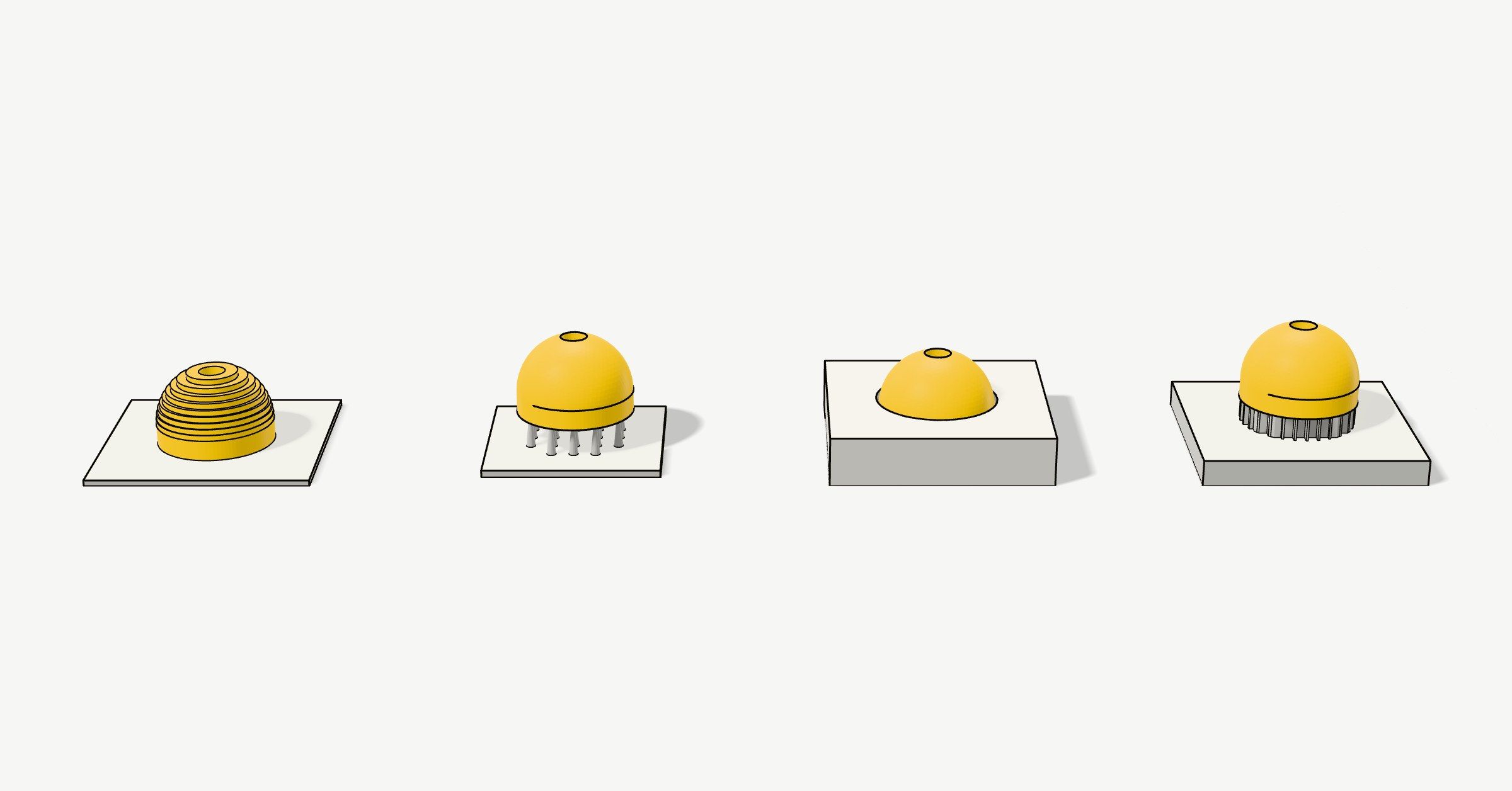
- Lie it flat, hub down. Every layer then goes all the way round the teeth, and the top flange bridges only over the grooves, so it prints without supports.
- Tooth fit. A printer lays its walls a little fat, so grooves come out tight. Start with 0.1 mm of tooth fit, under More; if the belt still won't sit down in the grooves, try 0.15. Print a short test first: a pulley takes minutes.
- Fine layers. A GT2 groove is only 0.75 mm deep, so use your finest layer height and a nozzle no bigger than 0.4 mm.
- Set screw and nut. Push the M3 nut into its pocket before the pulley goes on the shaft, and tighten the screw onto the shaft's flat.